
Fall 2026 PEAK Fellows Dive into Research
Undergraduate Research and Fellowships is excited to showcase the Fall 2026 PEAK Fellowships Cohort. This group of students from across the university will explore a wide variety of topics and questions, from developing a hip exoskeleton, investigating how music can shape political identity, exploring the traversibility of wormholes, and more. Congratulations Huskies!
Base Camp Fellows
 Developing Quality Control Standards for Proteoform-Level Quantification in Top-Down Mass Spectrometry
Awardee: Lucy Anderson, COE’27
Mentor: Owen Skinner, COS, Chemistry & Chemical Biology
Individual proteins can take on many different forms, called proteoforms. Top-down mass spectrometry lets scientists measure changes in these forms that may signal disease or biological change. However, the resulting data is messy; duplicate entries, unclear modifications, and missing values make it hard to trust the results. My project goal is to develop a software workflow to clean up this data, filtering out redundant or ambiguous entries and establishing clear rules for handling missing values. This will result in a more reliable, reproducible method for determining whether a given protein is truly increasing or decreasing.
 Understanding the Behavioral and Genetic Comorbidity of Binge Eating and Binge Drinking in Outbred Stocks of Mice
Awardee: Victoria Beniston, COS’29
Mentor: Camron Bryant, Bouvé, Pharmaceutical Science
Throughout this project, I will be investigating the relationship between binge eating and binge drinking between mice populations, and the genes corresponding to the patterns of behavior. The beginning of this project will focus on daily binge eating sessions with sweetened palatable food, followed daily binge drinking sessions with ethanol bottles. After collecting this data, statistical analysis will determine if there is a clear relationship between levels of binge eating and binge drinking between mice and analyzing if there is a difference between female and male populations. Following this, genes corresponding to behaviors will be identified.
 Chemical Characterization and Transformation Products of Tire and Brake Wear Particles
Awardee: Anagha Bhumireddy, COE’28
Mentor: Zhenyu Tian, COS, Chemistry & Chemical Biology
Road traffic is a major source of non-exhaust emissions (NEEs) which can contain microplastics, metals, and other chemicals that may harm human health and the environment. As these NEEs are often mixed together with other road components, identifying and characterizing their chemical composition remains challenging. In this project, I will study tire and brake wear particles from collected samples and develop methods for separating and analyzing them. Chemical analysis will be used to identify the compounds present and investigate whether new chemicals form when tire and brake particles interact. This research will provide information that can support future pollution control.
 Investigating Metal-Amyloid-Beta Interactions in Alzheimer’s Disease
Awardee: Alexis Cardenas, COS’29
Mentor: Vaso Lykourinou, COS, Chemistry & Chemical Biology
I hope to investigate how metal-bound amyloid-beta peptide variants, a protein associated with Alzheimer’s disease, influence the oxidation of neurotransmitters, including dopamine, serotonin, norepinephrine, and catechol. Building on work in the mPIRE Lab, I will use UV-Vis spectroscopy and kinetic analysis to measure and compare reaction rates across different peptide and metal conditions. I hope to finish the work on copper(II) and extend this work with a new project by examining iron(II)-bound amyloid beta, another heavy metal with similar properties. I intend to learn more about research methodology and the chemical relationships between amyloid-beta, metals, and neurotransmitters.
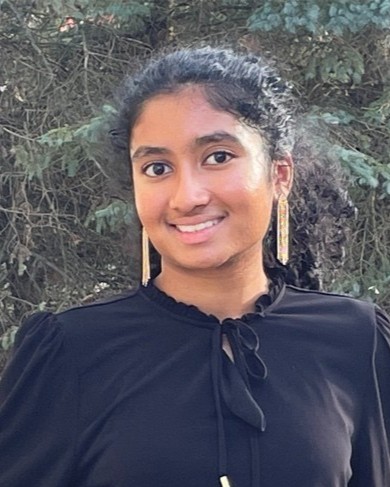 Redesign of an Adjustable Hip Exoskeleton to be Open-Sourced
Awardee: Shreya Chellu, Provost’-
Mentor: Max Shepherd, COE, Physical Therapy, Movement, and Rehabilitation Science
I’m helping redesign an customizeable, 3D-printed hip exoskeleton that can be openly shared with other students and researchers. The goal of the redesign is to simplify the exoskeleton enough for other labs to easily build it while preserving the adjustability needed for different users and experiments. To accomplish this, I’m CADding and 3D-printing new parts that fit together more seamlessly and can withstand higher stress without adding additional weight. I’m also working on the exoskeleton’s new electrical system, a simplified version with motor controllers and sensors that collect acceleration and rotation data to track the user’s movement.
 Characterization of Nutrient-Rich Solids for Electrochemical Wastewater Remediation
Awardee: Ivan Chen, COE’29
Mentor: Damilola Daramola, COE, Chemical Engineering
This project will measure digested samples through ICP-OES, which will allow for analysis of their solution concentration to predict the Ca, Mg, K, N, and P compositions of the solids. By doing so, we can better understand how solids are recovered as nutrients from a mixture of aqueous phase ions to improve electrochemical nutrient recovery techniques.
 Promoting Self-Compassion in Injured College Athletes through a Mindfulness Intervention
Awardee: Sophia Cheng, Bouvé’29
Mentor: Rachel Rodgers, Bouvé, Applied Psychology
Injuries can disrupt how NCAA athletes participate in sport and exercise and may contribute to concerns about their bodies. Research suggests mindfulness may help injured athletes increase awareness and tolerance of pain, while self-compassion encourages individuals to respond to pain and suffering with greater kindness and acceptance. This project will examine the feasibility and acceptability of a four-week, online self-compassion-based mindfulness intervention for injured college athletes. Participants will complete brief mindfulness exercises and surveys assessing self-compassion, body appreciation, body awareness, and physical pain. Findings may inform future resources to support athletes’ well-being during injury recovery.
 Disparities in HPV-Associated Cancer Prevention Among Underserved Populations: A Meta-Analysis
Awardee: Maggie Drubin, COS’28
Mentor: Neil Maniar, Bouvé, Health Sciences
Human Papillomavirus-related cancers are largely preventable, but full realization of this truth is impeded by gaps in care. This project aims to identify disparities related to HPV vaccination and HPV-related cancer prevention, particularly among underserved and underrepresented communities, through a systematic review and meta-analysis of existing research. It will also analyze existing state-level policies addressing HPV vaccination and examine their impact on disparities related to HPV-related cancer prevention. I plan to present my findings at RISE and submit a manuscript to a scientific journal for possible publication.
 Design and Layout of Mixed-Signal Building Blocks for High-Speed Data Converters
Awardee: Eric Gu, COE’27
Mentor: Aatmesh Shrivastava, COE, Electrical and Computer Engineering
Data converters are used in everyday modern electronics, including smartphones and medical sensors. Microchips in these devices convert real-world analog signals into digital data that is readable by computers. My goal is to design, simulate, and map out the microscopic transistor layouts for mixed-signal building blocks like high-speed comparators using industry-standard design tools like Cadence Virtuoso. This project will evaluate the impact of real-world electrical wiring and microchip layout choices on device speed, power efficiency, and signal accuracy.
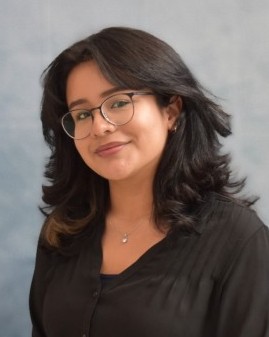 Behavior of Concrete-Filled Steel Tube Structural Systems
Awardee: Kathiana Hernandez, COE’28
Mentor: Jerome Hajjar, COE, Civil & Environmental Engineering
This project will explore how steel and concrete interact within concrete-filled steel tubes and how their combination affects structural safety. I will review recent research to better understand their structural behavior and how engineers can improve their design. I will also be introduced to the STReSS Laboratory, where I will study structural materials and testing methods, with the goal of contributing to safer infrastructure.
 Mapping Colorectal Cancer Screening Interventions against Unmet Need in Rural Maine
Awardee: Abby Hollis, COS’27
Mentor: Amy Helburn, Bouvé, Health Sciences
Colorectal cancer is one of the most preventable cancers, since removing polyps found during screening essentially prevents cancer from developing. Yet in Maine, where nearly 60% of residents live in rural areas, screening rates remain lower among rural populations, leading to later-stage diagnoses and higher mortality. Though several programs already exist in Maine to boost screening, the state’s cancer incidence rate has not changed significantly in the past decade. This project reviews the effectiveness of current educational materials and screening initiatives to identify where Maine’s efforts are working and where there is room to improve.
 BERDO Priority Screening Tool
Awardee: Ryan Kelly, CPS’29
Mentor: Vladimir Shapiro, COS, Data Science
The City of Boston’s Building Emissions Reduction and Disclosure Ordinance (BERDO), introduces essential carbon mandates to help our city meet net-zero goals by 2050. Navigating these regulations can feel challenging for building owners. Building on my clean energy policy and engagement work with the Massachusetts Building Congress, this project creates a public, interactive web tool designed to make compliance accessible. By translating municipal standards and penalty projections, the application empowers building managers to strategically phase capital investments, secure valuable federal and utility incentives, and confidently lead their properties toward a sustainable, net-zero future.
 Investigating the Effects of Physical Confinement within Engineered Living Materials on Microbial Gene Expression
Awardee: Brooke Kruger, COS’28
Mentor: Gokce Altin Yavuzarslan, COS, Chemistry & Chemical Biology
Inflammatory bowel disease affects many people around the world and significantly impacts quality of life. My research explores how encapsulating probiotics in engineered living materials (ELMs) can improve the delivery of treatment for IBD and other diseases. I will study how physical confinement within ELMs affects microbial gene expression over time by measuring fluorescence expression in cells. By comparing the fluorescence of cells encapsulated in ELMs, cells released from the ELMs, and free floating cells under conditions that mimic the gastrointestinal tract, I hope to better understand how ELMs can preserve bacterial function and support their use in treating IBD.
 Investigating Peripheral Nerve Regulation of Macrophage Recruitment and Activation during Tissue Regeneration
Awardee: Leilani Lopez, COS’27
Mentor: James Monaghan, COS, Biology
Tissue regeneration relies on several cell populations to repair tissue, including nerve and immune cells. Peripheral nerves provide signals to support regenerating tissue, while immune cells regulate inflammation and tissue repair mechanisms. However, how these systems interact during regeneration remains poorly understood. My project concentrates on macrophages, immune cells that can either promote inflammation or support tissue repair, and whether their behavior is influenced by peripheral nerves. Using molecular staining, advanced microscopy, and gene-expression data, I will assess changes in macrophage behavior. Through this work, I hope to understand how the nervous and immune systems interact during tissue regeneration.
 Algorithmic Foundations of Transformers
Awardee: Yash Kishore Maheshwari, Khoury’29
Mentor: Rajmohan Rajaraman, Khoury, Computer Science
I am joining a research project concerning the algorithmic foundations of transformer models, which underpin the modern AI revolution. The overarching goal is to identify the capabilities and limitations of these models. The project will focus on rigorously derived bounds on what these models can do given their parameters, which include their scale and constraints on their structure. My goals are to gain a better understanding of the transformer models, the analysis methods, learning how to conduct research in algorithms and theory, and contributing to specific sub-projects.
 Building a Foundation for Stem Cell and Nerve Regeneration Research
Awardee: Amita Mani, COE’29
Mentor: Rebecca Willits, COE, Chemical Engineering
This project focuses on developing foundational laboratory skills for research in nerve regeneration using Schwann cells. Schwann cells along with adhesive biomaterials are being implemented into nerve regeneration research to treat peripheral nerve injuries that are too severe to heal naturally. Through this project, the techniques learned here will be utilized to prepare me for more advanced research, with the end goal of helping those with neurodegenerative diseases such as Alzheimer’s and Parkinson’s.
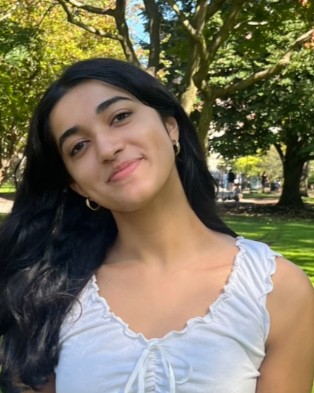 The Relationship between Cognitive Processing Speed and Anthropocentrism
Awardee: Diya Misra, COS’28
Mentor: John Coley, COS, Psychology
With this research project, I aim to examine the relationship between anthropocentrism and cognitive processing speed. In addition to cognitive processing speed, I intend to look at whether heuristics contribute to this cognitive process as well. By understanding the mental processes that affect anthropocentrism, we can ultimately uncover what leads to anthropocentric beliefs in the first place, which will help us tackle the broader issue of environmental degradation.
 Individual Differences in Working Memory and Their Role in Children’s Real-Time Language Prediction
Awardee: Kaavya Moogala, Bouvé’29
Mentor: Zhenghan Qi, Bouvé, Communication Sciences & Disorders
This project examines whether individual differences in working memory help explain why some children are better than others at predicting upcoming language during real-time listening and at learning from prediction errors during comprehension. To measure working memory, I will develop a task known as an n-back task. I will then compare children’s performance on this task to their performance on an existing task that measures language prediction and error-based learning, to explore how these two abilities relate to each other.
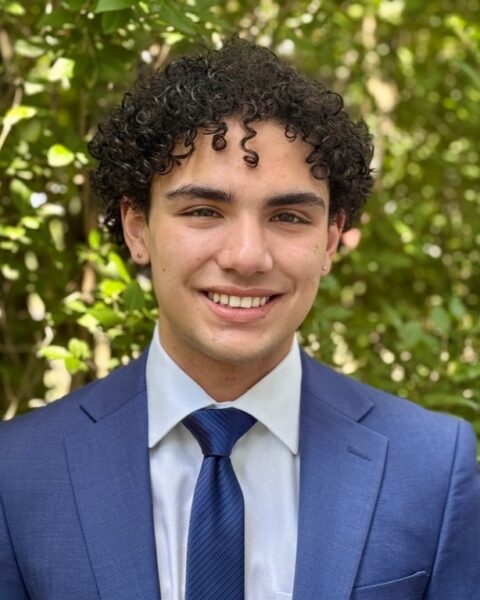 Modeling Neuro-Endocrine Signalling On Chip
Awardee: Leo Murthy, Provost’-
Mentor: Abigail Koppes, COE, Chemical Engineering
Recent advances in bioengineering allow scientists to build miniature models of human organs in vitro. These analogs typically involve growing cells in the context of the body, such as cells of the adrenal gland, for example, with channels through which cells interact with one another and cofactors. Such analogs capture the biological function of the cell types in structures similar to those found in the body. These tissue analogs can enable large-scale testing of new treatments for disease. My project will examine the design of such systems that combine innervated neurons with adrenal cells.
 Singing the Nation: Music, Myth, and Identity in the Songbooks of the Spanish Civil War // Cantar España: música, mito e identidad en los cancioneros de la Guerra Civil española /
Awardee: Xavier Nguyen, Bouvé’29
Mentor: Cristina Perez-Arranz, CSSH, World Languages Center
This project explores how music shaped political identity during the Spanish Civil War (1936–1939). By comparing Republican and Nationalist songbooks, I will examine how songs encouraged participation, celebrated sacrifice, and created powerful stories about the nation and its future. Combining historical research and musical analysis, the project asks how ordinary people experienced war through collective singing and how these songs continued to influence cultural memory long after the conflict ended. This research investigates music as a powerful tool for persuasion, community building, and the construction of political myths.
 Investigating the Role of UvrB Mutations in DNA Repair
Awardee: Amy Pham, COS’27
Mentor: Penny Beuning, COS, Chemistry & Chemical Biology
DNA is constantly damaged by environmental factors and normal cellular processes, making DNA repair essential for maintaining healthy cells. In Dr. Penny Beuning’s laboratory, I will investigate how mutations in the bacterial DNA repair protein UvrB affect the cell’s ability to respond to DNA damage using nitrofurazone sensitivity assays. Nitrofurazone is an antibiotic that damages DNA by creating lesions repaired through the nucleotide excision repair (NER) pathway, making it a useful tool for studying DNA repair. By comparing how different UvrB variants respond to DNA-damaging conditions, I hope to better understand the molecular mechanisms that protect genome stability.
 Characterizing Loneliness in Daily Life: A Scoping Review of Ecological Momentary Assessment in Midlife and Older Adults
Awardee: Anchal Sinha, COS’29
Mentor: Moka Yoo-Jeong, Bouvé, Nursing
Loneliness is a major public health concern among midlife and geriatric adults, yet it is often measured using surveys which do not capture how social experiences evolve over time. This review is to utilize real time data collection methods to better encapsulate the daily predictors and consequences of loneliness. It aims to identify gaps in the literature and inform the development of more responsive, evidence based interventions which promote healthy aging and improve quality of life.
 Designing an EQCM-D Reactor Cell for Real-Time Monitoring of COF Electropolymerization on Liquid Gallium
Awardee: Shelby Smith, COE’27
Mentor: Steve Lustig, COE, Chemical Engineering
Materials made from ultra-thin, crystal-like polymers called covalent organic frameworks (COFs) could improve efficiencies from water filtration to novel electronics, but current manufacturing methods produce disordered, defect-riddled versions that fall short of their potential. I’m working to design and build a custom lab instrument that grows these materials on liquid metal and tracks their formation in real time, at the nanogram scale. Combining mechanical engineering skills from prior hands-on prototyping experience with new training in electrochemistry, this project aims to reveal how better-quality COFs form, and to build a lasting tool for future research in the Lustig Lab.
 Investigating the Role of Plant Source in Determining Spartina patens Leaf Morphology
Awardee: Hanna Szelenyi, COS’29
Mentor: Randall Hughes, COS, Marine & Environment Sciences
Over the past decades, human activity and climate change have caused significant damage to salt marshes. As part of ongoing research in the Hughes Lab surrounding marsh restoration efficacy in the Long Island Sound, this project explores the role of plant source in the leaf characteristics of the salt marsh cordgrass Spartina patens when grown under identical greenhouse conditions. Specifically, this project compares populations from a range of latitudes along the Atlantic coast, and plants from commercial nurseries versus seeds collected directly in the field. Understanding how plant source influences morphology can inform plant selection decisions during marsh restoration.
 Surveys for Prosocial Adolescent Risk-taking Knowledge (SPARK)
Awardee: Maya Tran, COS’29
Mentor: Juliet Davidow, COS, Psychology
While negative risk-taking behavior in adolescence is frequently studied and discussed, there are many questions that still need to be answered about pro-social risk-taking—risk-taking to help others—during the teenage years. “Surveys for Prosocial Adolescent Risk-taking Knowledge” (SPARK) aims to build on a questionnaire that was developed in the Netherlands to assess pro-social risk-taking behavior in adolescence. For SPARK, we are working to adapt and validate this measure so that it is applicable for teenagers in the United States.
 Optimizing a Neurovascular Niche on-a-Chip Model for Alzheimer’s Disease Research
Awardee: Abby Tremblay, COE’28
Mentor: Guohao Dai, COE, Bioengineering
This project will optimize a microfluidic model of the brain’s neurovascular niche to better represent Alzheimer’s Disease. Progress in studying neurodegenerative diseases is currently limited due to a lack of physiologically representative models. Using neurons derived from human induced pluripotent stem cells (iPSCs), this study will test the impact of various neuron-specific growth factors on cell differentiation, maturation and vessel development in our neurovascular niche on-a-chip. This working model of a healthy brain will serve as the basis for studying Alzheimer’s Disease pathology in the future with the introduction of the mutated gene (PSEN1) associated with the disease.
 Are Major Sportsbooks Overpaying for Recycled Reach?
Awardee: Davian Wallace, Provost’-
Mentor: Yakov Bart, DMSB, Marketing
When the same viewers are reached through a multitude of creators, major sportsbooks may be paying for “recycled reach” instead of gathering exposure to new potential customers. Therefore, the project identifies whether major sportsbooks sponsor YouTube creators whose audiences are similar. Furthermore, the project continues with another insight of YouTube creators who are not sponsored by sportsbooks, but have an audience that is correlative to sports-betting. Utilizing public data from YouTube Data API, it compares these sponsored and non-sponsored creators to see if emerging sportsbooks could expand their marketing efficiently by partnering with creators that were unnoticed to major sportsbooks.
Summit Fellows
Reading by Touch: An Open-Source Library for Refreshable Braille Displays in Cross-Platform Apps
 Awardee: Henry Abrahamsen, Khoury’27
Mentor: Virgil Pavlu, Khoury, Computer Science
Braille Decoded, a braille literacy app I’ve developed and maintained for several years, serves more than a thousand monthly users across iOS, Android, and the web. The existing app is restricted to the screen and/or screen readers. Real braille is read through touch and so learning to read by the physical sensation is a crucial feature of a braille literacy app. No reusable software exists for this on mobile platforms using React Native. I will determine what each platform actually permits, then build and publish an open-source library letting any React Native application write braille to physical hardware.
 Feature-Importance Analysis of Embodied Carbon Drivers in the Massachusetts Building Stock
Awardee: Tanvi Agarwal, Khoury’28
Mentor: Demi Fang, CAMD, Architecture
Buildings are responsible for over a third of carbon emissions, yet we know little about which features are most highly correlated with a building’s material use and embodied carbon. This is the gap I will address in my proposed project, which would help inform building designers and policymakers on priorities in design and policy. I will review literature on emissions assumptions, build machine learning models to predict embodied carbon across the Massachusetts building stock, and run a feature importance analysis on the trained models. I will document my findings to present at RISE and publish a conference paper.
 User Preference Optimization of Neuromuscular Electrical Stimulation
Awardee: Nubaha Ahsan, COS’26
Mentor: David Sherman, COE, Physical Therapy, Movemnt, and Rehabilitation Science
Neuromuscular Electrical Stimulation (NMES) is a common physical therapy technique that applies controlled electrical pulses to a muscle, eliciting contractions that rebuild strength. Finding the right NMES settings for each patient is limited by fatigue, often exhausting the muscle before optimal settings are found. Building on a machine learning model I developed that predicts a contraction’s peak force from its first few seconds, I am validating the model and using it to build a discomfort-aware algorithm that proposes settings maximizing force while keeping pain tolerable. I will present these results at RISE and potentially at a national physical therapy conference.
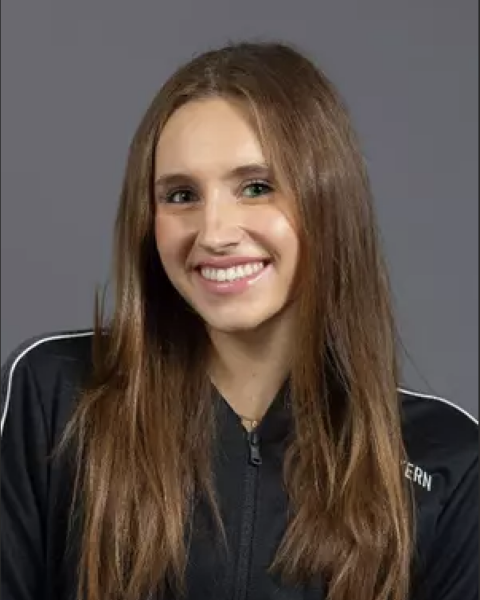 The Female Athlete Embody Project
Awardee: Delaney Alonso, COS’28
Mentor: Rachel Rodgers, Bouvé, Applied Psychology
Female collegiate athletes are at elevated risk for eating concerns, which can negatively affect physical health, psychological well-being, and athletic performance. Although existing eating disorder prevention programs have demonstrated efficacy, their multi-session format may limit accessibility for collegiate athletes balancing rigorous academic and athletic demands. This project will evaluate the feasibility, acceptability, and preliminary efficacy of a digital single-session intervention designed to address sport-specific risk factors while promoting positive body image and more flexible relationships with food. Findings will provide preliminary evidence for the use of scalable, athlete-specific single-session interventions to expand eating disorder prevention efforts within collegiate athletics.
 Detecting Partisan Gerrymandering through Ensemble Analysis of Mid-Decade Redistricting
Awardee: Binafsha Bakhramova, DMSB’29
Mentor: Eric Gerber, Khoury, Data Science
Gerrymandering is easy to suspect and hard to prove. My project builds a way to measure it: using a computer, I draw hundreds of valid district maps for a state, following rules like equal population and contiguity, then compare the enacted map against that neutral crowd. In Texas, the 2025 map yields 8 Democratic seats while none of my 500 fair maps fell below 10, marking it an extreme outlier. This term I am extending the method to more states and sharing the results through an interactive public site and a poster at Northeastern’s RISE Expo.
 Police Uncommitted Patrol Behavior in School Zones
Awardee: Niharika Banerjee, CSSH’27
Mentor: Eric Piza, CSSH, Criminology & Criminal Justice
Police officers spend much of their time on discretionary patrol, choosing where to go when they are not responding to calls, but this activity is rarely measured. Using GPS data from Kansas City patrol cars, this project examines whether officers concentrate this discretionary time around schools, and whether this concentration is unequally focused on neighborhoods of certain racial or socioeconomic statuses. Using mapping software and statistical modeling, this study will produce maps and analyses to contribute to conversations about police presence in schools. The results will be shared at RISE and developed into a research paper.
 Frequency Based Backdoor Detection in Deep Neural Networks
Awardee: Alan Bao, COE’28
Mentor: Aatmesh Shrivastava, COE, Electrical and Computer Engineering
Convolutional neural networks today are being used in tasks such as self-driving cars, face recognition, voice recognition, and more, and targeted attacks on these networks could result in significant consequences. One of these attacks is the backdoor attack: in which the attackers take the original data used to train a clean model, then poisons the data with a trigger that misdirects the model to a false output. The goal of this project is to present a new runtime method of detecting backdoored images based on frequency analysis of activation traces.
 Evolution of the Electronic Structure of CsV3Sb5
Awardee: Brennan Bezdek, COE’27
Mentor: Alberto de La Torre, COS, Physics
This project proposes the systematic analysis of resonant inelastic X-ray scattering (RIXS) data collected on the kagome metal CsV3Sb5, spanning the charge density wave (CDW) transition. By extracting the electronic structure, we can obtain the orbitals involved in the CDW instability to better understand superconductivity in kagome metals.
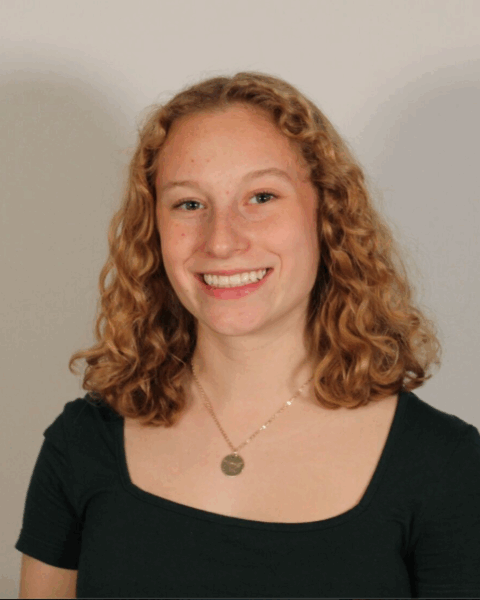 Geometrical Aspects of Wormhole Traversability
Awardee: Audrey Brenhouse, COS’28
Mentor: Camille Gomez-Laberge, COS, Physics
I plan to continue my study of the mathematical aspect of wormholes and their traversability through the lens of spacetime geometry and general relativity. Specifically, I will analyze the BTZ metric, a mathematical representation of a simple spacetime often used to study wormholes, and recently, their traversable conditions. I will then look at the energy conditions that are relevant and/or must be violated to allow traversibility. Finally, I will look at some of the quantum mechanical aspects of this phenomenon. My goal is to produce a paper understandable to undergraduates outlining our current geometrical understanding of traversable wormholes.
 Investigating the Kinetics Between Different Coal Tailings for Rare Earth Element Extraction
Awardee: Chelsi Cai, COE’29
Mentor: Damilola Daramola, COE, Chemical Engineering
This project shares with engineers and environmentalists a sustainable method to extract rare earth elements (REEs) from a readily available source: coal mine tailings. This research supports the development of a circular economy by turning waste into usable products for industries like energy, defense, and technology. Through microwave digestion, two types of tailings will be tested across five different temperatures and hold times, and ICP-OES will be used to analyze elemental compositions. The outcome is to develop a complete dataset comparing the two tailings and to create a validated model to explain the kinetics of the optimized REE extraction process.
 Investigating the Role of SOX10 in Peripheral Nerve Development and Regeneration
Awardee: Madison Calvanese, COS’29
Mentor: James Monaghan, COS, Biology
Axolotls require a certain innervation capacity to regenerate; however, Sox10 knockout axolotls may regenerate limbs without nerves. This project will serve to determine if nerves are necessary for regeneration. I will amputate limbs from wild-type and Sox10 animals, document regeneration progression, and collect tissues to stain. Through regeneration rates, nerve density, and protein presence, I will determine whether the normal nerve density is reached and if regeneration can proceed in the absence of normal nerve innervation. This research could have a significant impact on our understanding of limb regeneration that I hope to share with fellow researchers at RISE 2027.
 Examining the Effects of Oxygen-Free Cold Spray Deposition on the Mechanical Properties of Copper
Awardee: Sai Suhruth Choppakatla, COE’29
Mentor: Ozan Cagatay Ozdemir, COE, Mechanical & Industrial Engineering
Cold spray is a metal 3D printing process used in aerospace, energy, and defense that works by firing metal powder at supersonic speeds using compressed gasses so it sticks to a surface on impact, building up into a real part. This project investigates whether spraying copper in an oxygen-free vacuum system produces stronger metal than conventional air-based spraying. Using mechanical testing, electron microscopy, and computer simulations, the project also determines why any material improvement may occur. Understanding this could help justify vacuum system’s use for critical repairs and other commercial applications.
 Leucovorin’s Effects on Myelination in Autism-Linked Folate Deficiency
Awardee: Tochi Chukwuemeka, COS’27
Mentor: Craig Ferris, COS, Psychology
Autism Spectrum Disorder affects 1 in 31 children, yet the underlying brain changes remain poorly understood. Recent research suggests some children with autism have a cerebral folate deficiency, occurring when insufficient folate reaches the brain during critical periods of development. Using a rat model, this project investigates whether leucovorin, a blood-brain-barrier-permeable folate form, restores myelination, the process that speeds neural communication. Through neuroimaging and behavioral assays, we anticipate seeing improved white matter integrity in rats treated with leucovorin, paving the way for further research into leucovorin treatment for demyelinating disorders. Findings will be published and shared through conference presentations.
 Low Cost, Large Form Factor Robotic Quadruped Platform
Awardee: Brendan Conover, COE’29
Mentor: Angelina Jay, COE, Mechanical & Industrial Engineering
Quadrupedal robots, commonly known as robotic dogs, are a common form factor in the robotics industry, used for many applications where the environment might be hazardous for humans. Although large form factor and low cost robot dogs both exist, a combined open, low cost, large form factor platform for a robotic quadruped doesn’t yet exist. This project will create just that, lowering the floor to robotics research in the large quadrupedal sector through an proven design that will be open sourced and presented at various robotics expos and events in New England and beyond.
 The ETF Effect: An Event Study of Cryptocurrency ETF Issuance and Market Returns
Awardee: Millan Degnemark, DMSB’27
Mentor: Xiaochuan Tong, DMSB, Finance & Insurance
Since 2024, exchange-traded funds have given investors access to Bitcoin and Ethereum through brokerage accounts. Most analysis of this market shift stops at those assets. This project examines what cryptocurrency ETF launches did to the rest of the cryptocurrency market. I will collect filing and approval dates for each of the U.S. listed crypto ETFs from regulatory records, and measure how the top 100 coins were affected using CoinMarketCap data. I expect the largest assets absorbed most of the effect, with smaller coins responding less. I will present findings at Northeastern’s RISE expo and share a written report.
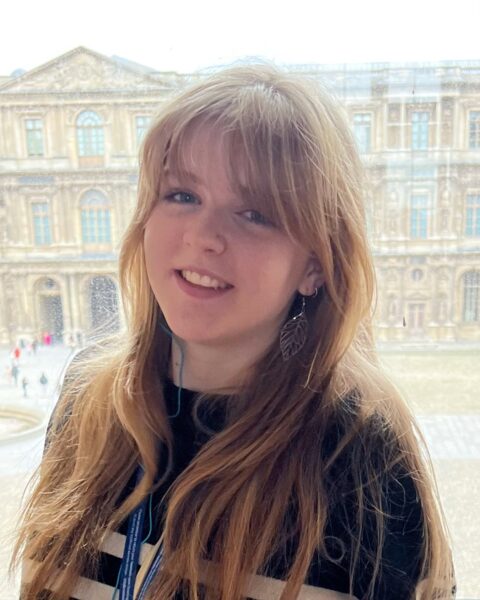 Upcycling Walnut Shell Biomass into Cyclohexanone: A Renewable Pathway to Sustainable Nylon 6
Awardee: Katryna Dube, COE’27
Mentor: Courtney Pfluger, COE, Chemical Engineering
This project explores a way to develop nylon, widely-utilized material, by converting discarded walnut shells into cyclohexanone, the precursor to nylon. Nylon 6, the most commonly used nylon variant, is reliant on petroleum and produces significant greenhouse gas emissions. Developing a bio-based method to produce cyclohexanone offers a way to reduce environmental impact while using agricultural waste. I will continue to build on my previous research to prove feasibility of my proposed three-step process. Success will be evaluated by measuring product yield and purity. I plan to share my results at RISE and other events such as FLICE.
 Toward Sustainable Proton Exchange Membranes: Molecular and Operando Studies of SPEEK
Awardee: Michael Early, COE’28
Mentor: Eugene Smotkin, COS, Chemistry & Chemical Biology
First a computational study will be conducted on the behavior and characterisitics of the material SPEEK, a potential replacement for the toxic, PFAS material Nafion which is currently the standard membrane material in fuel cells and elctrolyzers. Next, experiments will be conducted on an operating SPEEK fuel cell, to learn about how its structure behaves and influences performance under real world operating conditions.The overarching goal is to gather information about the behavior of SPEEK to hopefully replace Nafion. Results will be published in 1-2 papers, presented at RISE and the Materials Research Society conference in Fall 2027.
 Elucidating the Costs and Benefits of Maximizing Intraspecific Genetic Diversity in Restoration
Awardee: Anna Eaton, COS’26
Mentor: Katie Lotterhos, COS, Marine & Environment Sciences
Anthropogenic pressures have led to decreased biodiversity and ecosystem degradation. Theory suggests that by maximizing genetic diversity, populations become more productive and better exploit their resources. Therefore, their ecosystems become more resilient to ecological disturbance. However, these benefits are not always observed in practice. I use Crassostrea virginica, an ecologically and economically important marine invertebrate, to assess the outcomes of maximizing genetic diversity in the field by examining genomic variation and survival in experimental populations. Results will guide future conservation initiatives, provide insight on the integration of genomics in restoration, and will be disseminated in a published manuscript.
 Cryptic Pocket Accessibility and Covalent Ligandability of UBE2C Cys102 in Pediatric Cancer
Awardee: Matthew Gentner, Bouvé’29
Mentor: Mary Jo Ondrechen, COS, Chemistry & Chemical Biology
Childhood cancers like atypical teratoid/rhabdoid tumors remain difficult to treat with few targeted therapies. This project investigates a protein, UBE2C, that these tumors depend on, focusing on a specific site that may prove selective and druggable. Using computer simulations of the protein’s motion on Northeastern’s high-performance cluster, I will test whether this hidden pocket becomes accessible and, if so, whether drug-like molecules could engage it. The result will guide future efforts to develop new therapies. I will present my findings at Northeastern’s RISE Expo and to collaborating research labs.
 Pyroplastic Emissions Research Project
Awardee: Alice Goldberg, COE’27
Mentor: Bryan James, COE, Chemical Engineering
Pyroplastics or burnt plastic debris, is an understudied environmental threat. With 41% of trash burned annually, pyroplastics emit toxic fumes and leach dangerous chemicals. My project focuses on mitigating this by exploring DNA-lipid complexes as potential bioadditives and surface coatings. DNA is a natural flame-retardant which can trap the pollutants in a carbonaceous char layer. I will create bioplastics with the complex, perform controlled burn tests, and use FTIR analysis to see how the pyroplastics change. I anticipate leachability will decrease as a function of concentration. I am excited to share my results at the 2027 RISE conference.
 SWITCH: Language Learning from Prediction Error
Awardee: Dea Gupta, Bouvé’28
Mentor: Zhenghan Qi, Bouvé, Communication Sciences & Disorders
The SWITCH project studies how children and adults make sense of sentences that could mean two things, like “Feel the frog with the feather”, where the feather might belong to the frog or be the tool to touch it. People guess a sentence’s meaning based on patterns they’ve picked up from experience. This study asks whether children and adults can learn to adjust their guesses when those patterns change, using eye-tracking to see what they expect as they listen. Comparing children and adults will show how this learning develops. Results will be disseminated at conferences and published in a manuscript.
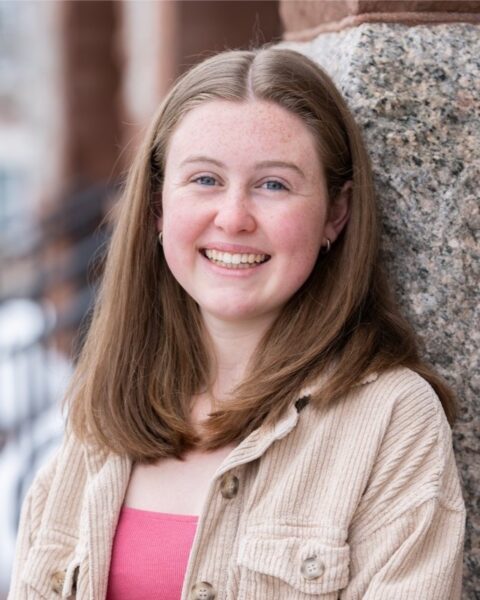 Characterizing the Impact of Resistance Training in Standardized Stages of the Menopause Transition
Awardee: Anna Healey, COE’28
Mentor: Leanne Chukoskie, Bouvé, Physical Therapy, Movement, and Rehabilitation Science
Menopause is a key part of the majority of the population’s life experience. Although cycle timing has become a common standardization technique, the impact of menopause on participants’ bodies and experiences is often still ignored in research. We will analyze the few studies available that categorize participants by menopause status to see how resistance training impacts participants across the different stages of menopause. We will then provide recommendations for future researchers on how to effectively and efficiently classify participants by menopause status to allow for a standardized process across research.
 A Photojournalistic Study of Agroforestry Adoption among Puerto Rican Coffee and Cacao Farmers
Awardee: Heidi Ho, Bouvé’27
Mentor: Laura Kuhl, CSSH, Public Policy and Urban Affairs
This photojournalism project documents the human side of climate adaptation in Puerto Rico, where coffee and cacao farmers are adopting multi-strata agroforestry — a farming method that restores soil. Through on-the-ground photography and in-depth interviews, I capture farmers’ lived experiences and NGOs who are helping make the adoption possible. This work humanizes climate science, showing agroforestry not just as a carbon-mitigation strategy. Results will be shared through a public-facing web photo story, RISE, and integration into the broader research team’s findings.
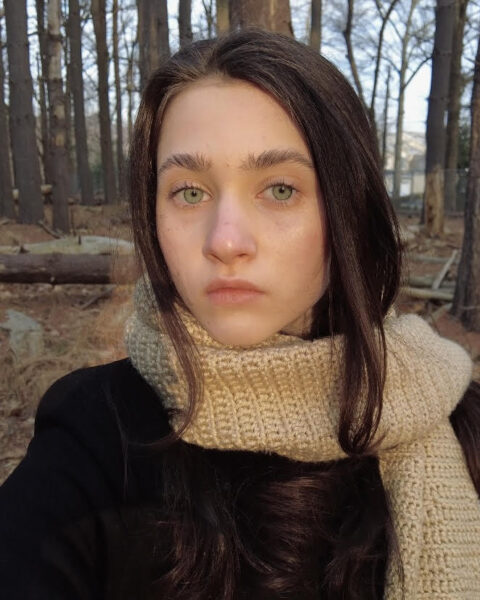 Open-Source W-Cell: A Reproducible Platform for In-Situ Electrochemical Raman Spectroscopy
Awardee: Grace Jansen, COE’27
Mentor: Joshua Gallaway, COE, Chemical Engineering
Advancements in battery technology are integral to a cleaner future; however, mitigating battery degradation over time remains a challenge. This project entains refining and documenting the W-Cell, a device invented by the ACES Lab which enables in-situ Raman spectroscopy. The W-Cell enables researchers to track chemical changes inside a battery electrode in real time without disassembling the cell. Using the W-Cell, I will generate an unpublished dataset, produce machnining files and instructions, and detail material procurement information such that another lab can replicate the technology. Results will be shared in an open-access publication and a poster at Northeastern’s RISE expo.
 Inference of Intermediate Regulators Mediating between Drug Targets and Response through INDRA CoGEx
Awardee: Oscar Ji, Khoury’28
Mentor: Benjamin Gyori, Khoury, Bioengineering
Drugs often act on many proteins at once, and it’s usually unclear which connections produce a given outcome, whether it is therapeutic or unwanted. This project builds a computational method using a drug’s known targets and measured cellular response to identify which proteins likely mediate that outcome, without new lab experiments. The method will be tested against a published study with an already-confirmed answer, then validated on a broader public benchmark to see whether such a method can be built and trusted, and whether knowing a drug’s targets specifically helps. Results will be presented publicly and released as open-source software.
 Quantifying the Effects of Noise on Qumode-Based Quantum Computers
Awardee: Marlon Jost, Khoury’27
Mentor: Sijia Dong, COS, Chemistry & Chemical Biology
Quantum computers promise to solve chemistry problems beyond the reach of ordinary computers, but real hardware is noisy, and that noise can make results meaningless. Most quantum computers use “qubits,” but this project studies an alternative called “qumodes,” which my prior research showed can solve certain chemistry problems using far fewer operations. I will build detailed computer simulations of how noise affects qumode-based systems and compare their performance to qubit-based systems for real chemistry problems. This will help determine which approach is more resistant to real-world errors.
 Boron Nitride as Support for Palladium Nanocatalyst
Awardee: Daphne Karacay, COE’28
Mentor: Hongfei Lin, COE, Chemical Engineering
Hydrogen is a clean and energy-dense carbon-neutral fuel. However, a production-storage-release mechanism remains a challenge. This project is an exploration of hexagonal boron nitride to determine its nanomaterial stability and catalytic advantages serving as support for palladium catalysts used to release hydrogen from ammonium formate. Working with Dr. Lin’s IMPACT lab, I will help synthesize and test multiple palladium-boron nitride catalysts to observe their structure and performance throughout each step of the reaction life cycle. Improving the design of the Pd/BN catalyst could lower cost and efficiency of hydrogen fuel systems. I look forward to sharing results at RISE expo.
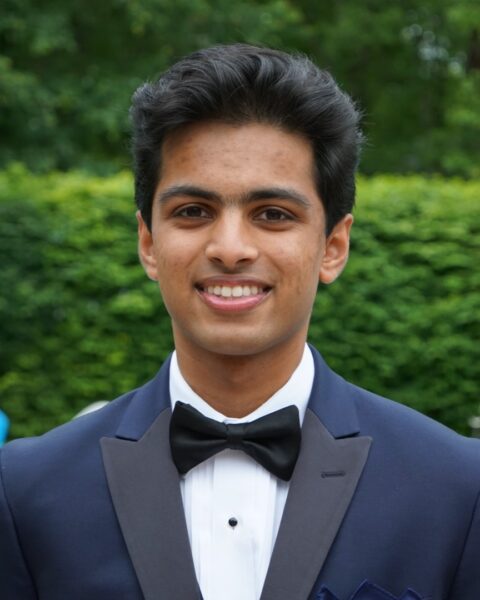 Investigating Cell Death Pathways in Glycine-Arginine and Proline-Arginine Repeat Expressing Mice
Awardee: Samarth Keerthivasan, COS’26
Mentor: Steven Untersee, COS, Biology
ALS and FTD are fatal diseases and are most commonly genetically caused by a repeated DNA sequence in a gene called C9ORF72, which produces amino acid repeats that lead to the death of neurons. In mice, our sequencing data points to two cell death pathways that rupture neurons and spill inflammatory contents into surrounding tissue. I will run Western blots and image brain tissue to see whether these pathways are active and where they come from. This information can indicate where a treatment should attack in a pathway. I will present my findings at RISE and in a soon-to-be-submitted manuscript.
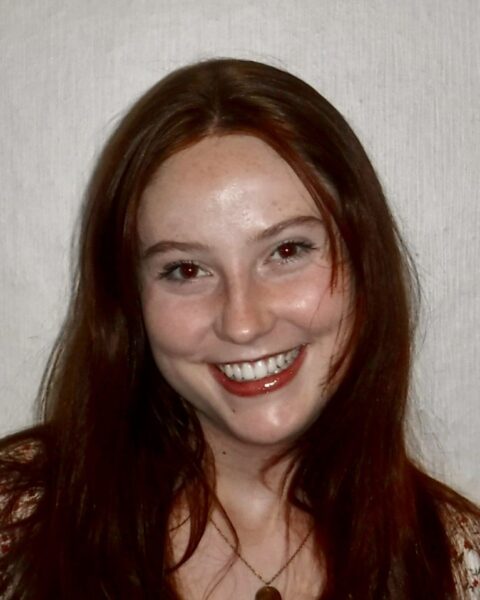 Identifying the Role of Tissue-Specific Transcription in C. elegans Lifespan and Health.
Awardee: Avery Kelly, COS’27
Mentor: Javier Apfeld, COS, Biology
Not all cell/tissue activity is beneficial to animals. In fact, losing certain neurons or germline cells can extend lifespan in C. elegans. I’ve created a new strain of worm that carries both necessary components: protein-specific AID and tissue-specific TIR1, then track the lifespan of these worms to better understand the effects of losing these tissues. The significance is that if there are cells/tissues whose activity in adulthood is detrimental to survival, and suppressing their activity promotes health, we’d want to know that. This project will be presented at the RISE poster session and will be included in a PhD dissertation.
 Estimating Severity of Tumor-Based Aphasia Using Acoustic Analysis
Awardee: Cecelia Kincaid, Bouvé’27
Mentor: Rupal Patel, Bouvé, Communication Sciences & Disorders
Aphasia is a language disorder that affects anywhere from 30-50% of individuals with brain tumors. It can impact speech production, language comprehension, and reading and writing. This project aims to investigate how acoustic features of speech such as pitch variation, rate of speech, intensity, pauses, and disfluency patterns can differentiate aphasia severities in individuals with brain tumors. This will be accomplished through basic acoustic analysis of speech samples.
 Pharmacotherapeutics for Eating Disorder-Alcohol Use Disorder Comorbidity in a Mouse Model
Awardee: Mia Klinkhammer, COS’27
Mentor: Camron Bryant, Bouvé, Pharmaceutical Science
This project examines how a novel cannabinoid-1 receptor (CB1R) antagonist, AM6527, influences binge-like eating and the cross-sensitization of binge-eating and binge-drinking in a mouse model. Binge-eating is a transdiagnostic trait for several eating disorders. This project will examine whether AM6527 could serve as an alternative to GLP-1R medications as a treatment. Binge-like behavior will be induced using a limited access procedure to sweetened pellets. Following four weeks of binge-eating, the mice will be placed into a drinking in the dark (DID) paradigm where binge-like ethanol consumption will be measured. These findings will be shared at RISE and additional showcases.
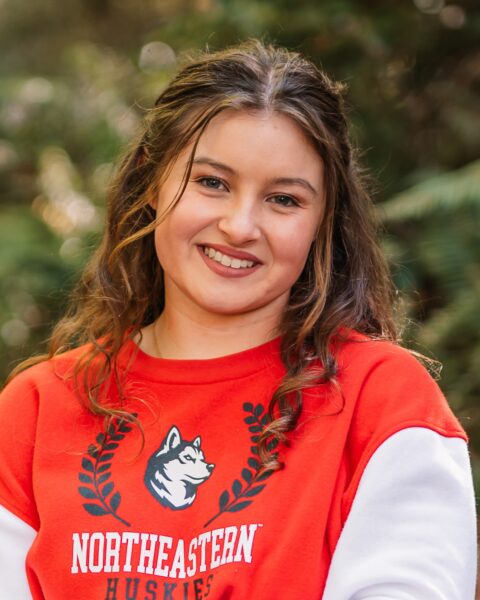 Determining efficacy of qPCR in identifying abundance of fecal indicator bacteria after rain events
Awardee: Maya Krattli, COS’28
Mentor: Jennifer Bowen, COS, Marine & Environment Sciences
The Massachusetts soft-shell clam fishery, valued at $6.5 million, is losing revenue from shellfish bed closures due to fecal contamination. Currently, the Massachusetts DMF tracks contamination based on culturing of fecal indicator bacteria, This project explores the use of quantitative PCR as opposed to culture-based methods for water samples from Plum Island Sound following rain events. Our goal is to improve accuracy and to identify source contaminants. By providing host-specific data, we aim to better inform decision-making around shellfish bed closures and give stakeholders information through which to remediate contamination.
 A Reproducible Pipeline for Multi-Country Social Accounting Matrix Construction
Awardee: Benny Lee, COE’29
Mentor: Mikhail Oet, CPS, Business and Social Sciences
Simulating the economy of an entire country seems unrealistic. However, a country’s economy breaks down to a web of who buys and sells what. A Social Accounting Matrix (SAM) captures that economic web into a square matrix in order to calibrate economy-wide models and predict how income, employment, and prices shift. Using multiple datasets, I’ve built an automated pipeline that constructs balanced SAMs for three countries, each validated against published benchmarks. Next, I plan to fill data gaps by incorporating tax and household detail into each matrix and display breakdowns of each country’s income by labor, capital, and self-employment.
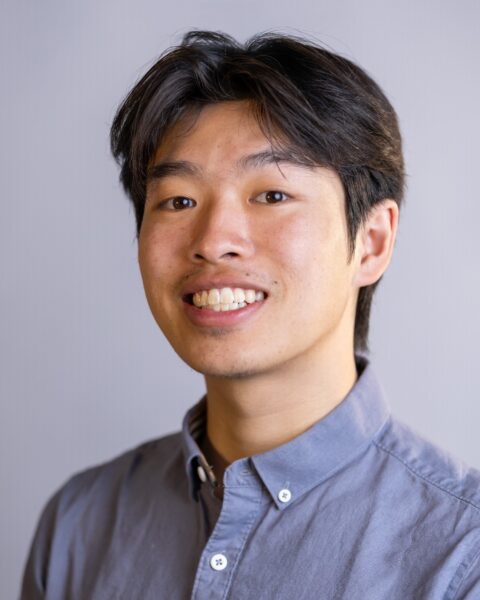 Modeling Electrolyte Flow in Heterogeneous, Porous Electrodes for Lithium-Ion Batteries
Awardee: Nathan Lim, COE’27
Mentor: Juner Zhu, COE, Mechanical & Industrial Engineering
This project examines how electrolyte moves through the porous structure of lithium-ion battery electrodes, a process known as wetting or imbibition. Understanding this behavior is crucial to enhancing battery manufacturing efficiency and potentially rejuvenating spent batteries. A custom fixture has been built to deposit liquids onto the electrode surface and uses image processing to measure diffusion phenomena. The next steps will use real electrolyte to develop a predictive model of imbibition. The same physics, in reverse, governs critical mineral mining, where lithium is drawn from brine through porous media. I plan to present at RISE, with potential for academic publication
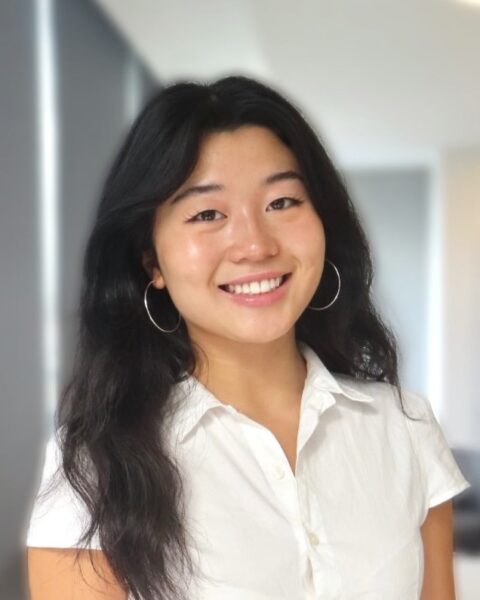 Comparing Tutoring System and Paper Practice: An Analysis of Student Learning Gains and Goal Support
Awardee: Janet Liu, COS’28
Mentor: Akram Bayat, Khoury, Computer Science
Many schools lack the resources to give every student one-on-one math support. To help close this gap, researchers at Carnegie Mellon University built Mathtutor, an Intelligent Tutoring System paired with an adaptive goal-setting dashboard. This project uses data from Mathtutor and dashboard logs from a classroom study to investigate how well Mathtutor helps middle schoolers learn math compared to traditional paper practice, whether those benefits are shared equally across students of all starting knowledge levels, and how their goal-setting behaviors impact their learning. Results will be shared through poster presentation(s) and a manuscript.
 Engineering Urea Overproduction in Xanthobacter autotrophicus for Stable Nitrogen Biofertilizer Deli
Awardee: Lilliana Lum, COS’28
Mentor: Rebecca Sherbo, COS, Chemistry & Chemical Biology
Crops require nitrogen nutrients to survive and thrive. Most crops rely on synthetic fertilizers, which have drawbacks including energy-intensive synthesis and application. Biofertilizers are fertilizers that can fix N2 and provide nitrogen nutrients to plants. We aim to modify the microbe X. autotrophicus to create urea, rather than ammonium. The Sherbo Lab has modified X. autotrophicus by installing the arginase gene, thereby increasing the urea titer 50-fold. In this PEAK award, I will culture each strain, quantify urea to determine which strain produces the highest urea yield, and hand off the optimized strain to a collaborating lab for use in plant soil.
 Effects of Cigarette-To-E-cigarette Exposure on Bone Quality and Mechanical Strength
Awardee: Rebecca Magnetico, COE’26
Mentor: Sandra Shefelbine, COE, Mechanical & Industrial Engineering
This project investigates how switching from traditional to electronic cigarettes (e-cigarettes) affects bone health. While existing studies have shown that traditional cigarette smoke weakens bones, it remains unclear how vaping affects skeletal health or whether switching to e-cigarettes allows bone to recover from prior damage. During the fellowship period, I will analyze existing bone imaging and mechanical testing data from mice exposed to different smoking conditions. Using image analysis, MATLAB, and statistical methods, I will identify differences in bone structure and strength. I will contextualize my findings within existing literature and submit a manuscript as the first author.
 Understanding the Role of Solvents in Optimizing the Yield of PDI-Catalyzed Dehalogenation Reactions
Awardee: Katie Marquez-Paz, COS’29
Mentor: Hannah Sayre, COS, Chemistry & Chemical Biology
This project investigates how solvent choice affects the performance of perylene diimide (PDI), a simple organic photocatalyst, in breaking carbon-halogen bonds—a key step in synthesizing valuable compounds like biphenyl from 4-bromobiphenyl. PDI harnesses light energy to lower the energy barrier for chemical reactions. In this process, PDI is first converted into a radical dianion using an electrolyzer, then excited with green light to reach unusually high-energy states that enable reactions otherwise inaccessible. Results will be shared through a poster presentation and may inform future sustainable, light-driven synthesis methods for pharmaceutical and materials applications.
 Hospital Flow Operations Research
Awardee: Ahyan Maya, COS’27
Mentor: Lee-Peng Lee, COS, Mathematics
Emergency rooms are controlled storms: patients arrive like thunder, beds vanish like , and every fragile moment becomes a cliff. My project asks whether mathematics can become the air traffic control tower for this chaos. Using queueing theory, stochastic processes, and robust optimization, I study how to allocate emergency department beds so the system does not collapse when arrivals surge, patient trajectories twist, or public data hide the full story. The goal is not a magic hospital machine, not yet. It is a first blueprint for care that anticipates crisis, protects capacity, moves faster, and maybe helps save lives sooner.
 Benchmarking the Nelson-Siegel Model Against Alternative Approaches to Yield Curve Forecasting
Awardee: Ethan McGeever, CSSH’27
Mentor: Jun Ma, CSSH, Economics
This project looks to better understand the relationship between the yield curve and common macroeconomic forecasting variables. The yield curve tells economists how market participants feel about the economic outlook across timeframes, offering insight into expected growth, inflation, and monetary policy, used by central banks to anticipate recessions and set interest rate policy. I will benchmark the Nelson-Siegel Model, a widely used tool among central banks, against other statistical approaches. Using historical interest rate data and econometric techniques in Python and R, I will compare model accuracy and interpretability. Results will inform my senior thesis, presentation, and PhD applications.
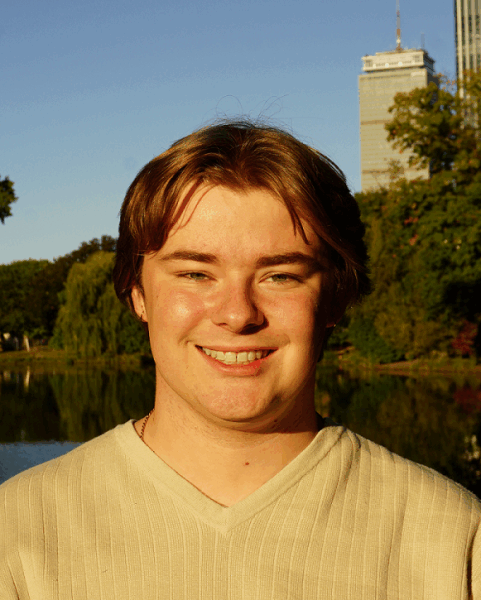 Development of a Pyrolysis-GC-MS Method to Quantify Rubber Particles in Soil Samples
Awardee: Sean McGuigan, COS’27
Mentor: Zhenyu Tian, COS, Chemistry & Chemical Biology
The objective of this project is to develop a pyrolysis-gas chromatography-mass spectrometry (Py-GC-MS) method to quantify rubber particles in soil samples. Rubber particles pose a unique threat to environmental and human health due to their potential for transformation into harmful compounds, so it is important to have a robust method to analyze their abundance. Py-GC-MS is a useful analytcial technique to chemically analyze solid samples with complex chemistries, making this technique uniquely suited for this project. I aim to create a robust method for quantification of rubber particles. I plan to share my results at RISE next year.
 Computational Mapping of Prefrontal-Visual Cortex Connectivity in an ANK3 Bipolar Mouse Model
Awardee: Bridget Minogue, Khoury’29
Mentor: Sarah Hope Lincoln, Bouvé, Applied Psychology
My project aims to study how the dorsomedial and ventromedial prefrontal cortex contribute to top-down regulation of visual processing in wild-type mice and mice models of bipolar disorder (BD) using a computational approach to brain connectomics. By integrating projection-specific circuit dissection with computational and genetic approaches, we will then uncover how prefrontal control shapes sensory processing and how its disruption contributes to BD-relevant dysfunction. The findings will provide foundational data for future translational work aimed at restoring cortical network dynamics as a therapeutic target. I plan to share my results at the RISE symposium and in future publications.
 Biolability and Toxicity of Plastic-Derived Dissolved Organic Carbon to Marine Bacterial Communities
Awardee: Maia Motley, CSSH’28
Mentor: Aron Stubbins, COE, Chemistry & Chemical Biology
Plastic pollution doesn’t just harm animals and humans, it may also affect atmospheric carbon. When marine plastic breaks down in sunlight, it leaches carbon into ocean water, where bacteria consume it, affecting the biological carbon pump. My project tests how usable and/or toxic plastic-derived carbon is for bacteria, and whether that changes with polymer type, additives, and sunlight exposure. I’m using a TOC analyzer to track carbon concentrations and flow cytometry to measure bacterial cell counts over time, comparing ten plastic samples. I’ll share results at a research symposium and am working with my mentor toward a possible publication.
 Effect of Small RNA in BfmS-Mediated Regulation of Transformation and Motility in A. baumannii
Awardee: Anusha Mutnuru, COS’28
Mentor: Edward Geisinger, COS, Biology
Acinetobacter baumannii is a dangerous, drug-resistant bacterium that rapidly acquires antibiotic resistance genes from its environment. This project investigates how a signal transduction system, BfmRS, controls the bacterium’s ability to take up new DNA and move across surfaces, processes tied to how infections spread in hospitals. I will test the hypothesis that a small RNA molecule that is regulated by BfmRS is a central switch controlling these behaviors. Using genetic and microscopy techniques, I expect to clarify how the regulatory RNA links cell signaling to DNA uptake and motility. I’ll share findings at RISE and contribute to a paper in-progress.
 The Art of Inquiry Podcast
Awardee: Sofia Odeh, COE’26
Mentor: Sarah Finn, CSSH, English
As a mechanical engineering student, I host The Art of Inquiry, an interview series now six episodes in, with guests including roboticist Hanumant Singh, speech scientist Rupal Patel, and design theorist Sara Hendren. These conversations reveal researchers making intuitive, aesthetic choices, closer to art than method, that their papers often overlook. This project extends that work with new interviews with scholars across disciplines to trace how experts actually describe this hidden art in their science, sharing those patterns through new episodes distributed across the podcast’s website and major streaming platforms.
 Measuring the First Molecular Weight Distribution of a 2D Polymer
Awardee: Justin Oliak, COE’27
Mentor: Steve Lustig, COE, Chemical Engineering
Two-dimensional polymers are single-molecule sheets with applications in lightweight armor, barrier coatings, and electronics. Their strength and processability depend on the platelet size distribution. No one has ever measured it. This project will make the first measurement on graphamid and graphimine, materials we develop with the Army Research Laboratory. I will separate the platelets by size-exclusion chromatography and measure each fraction with multi-angle light scattering. The results will test the theory Professor Lustig and I derived. They will also guide processing of stronger, lighter films. I will present at RISE and the AIChE Annual Meeting.
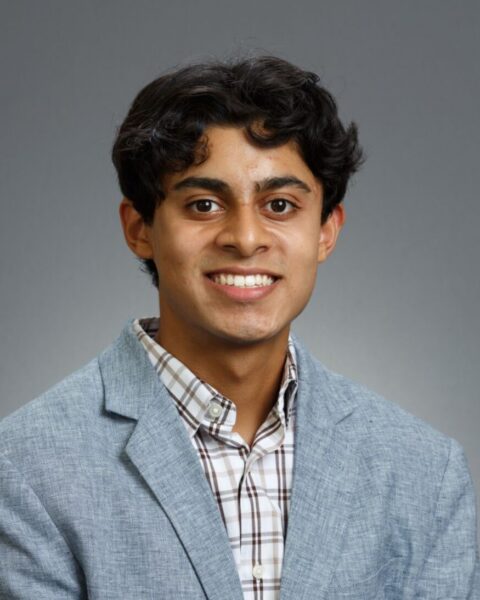 Investigation of the Effects of Overexpression of Core Clock Genes in Drosophila
Awardee: Inesh Parikh, COS’27
Mentor: Matthias Schlichting, COS, Biology
All living things have some sort of internal clock, this is known as our circadian rhythm. This “clock” which dictates sleep, hormones, and other daily processes is controlled by different genes, however there is a lot more to discover about how these genes work. In my project, I am studying two genes called PERIOD and TIMELESS, and I will use CRISPRa to increase the expression of these genes in fruit flies and observe how their circadian rhythms and neuroanatomy are affected. My goal is to analyze how exactly these genes affect the cycle, which can then inform future work.
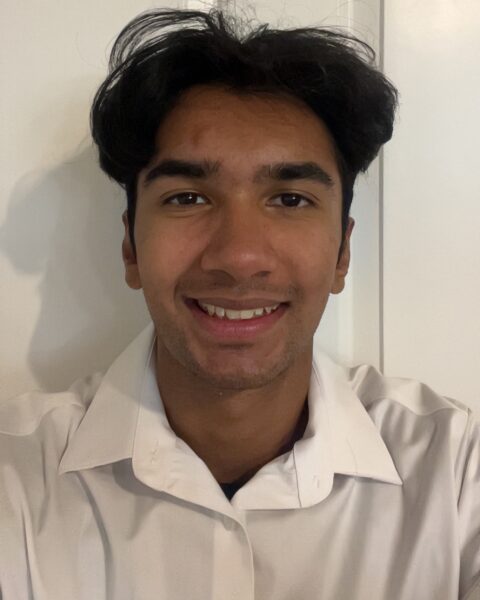 Designing a Gesture-Based Wearable–Machine Interface for Robotic Arm Control
Awardee: Arnibish Ray, COE’28
Mentor: Scott Julien, COE, Mechanical & Industrial Engineering
This project will design and build a six-axis robotic arm that responds to human hand gestures. It explores how mechanical design, electronics, programming, and sensor data can work together in human-machine interaction, with broader relevance to assistive technology, rehabilitation, and teleoperation. I will create the arm in CAD, fabricate and assemble its components, program servo control, and develop a sensor-based glove interface. The anticipated outcome is a functioning robotic arm with at least one axis reliably controlled by live gestures. I will present the project at RISE and share the design files, code, and documentation publicly.
 Effects of reactive oxygen species on Mitochondrial Protein S-Glutathionylation and Metabolism
Awardee: Ulyana Romanova, COS’29
Mentor: Owen Skinner, COS, Chemistry & Chemical Biology
This project investigates how hydrogen peroxide-induced oxidative stress affects mitochondrial proteins and cellular metabolism. Mitochondria produce energy and help cells respond to stress, but disruptions in their function can contribute to disease. Using cultured human K562 cells, I will examine changes in mitochondrial function, protein regulation, and metabolism through Western blotting and liquid chromatography–mass spectrometry. I expect oxidative stress to increase S-glutathionylation, a chemical modification that can regulate protein activity, revealing how cellular stress may contribute to mitochondrial dysfunction. I will present my findings at Northeastern’s RISE research showcase.
 Dynamics of the Beta Clamp Protein in E. coli Cells
Awardee: Ryan Schoenstedt, COS’29
Mentor: Penny Beuning, COS, Chemistry & Chemical Biology
The beta clamp protein plays a central role in regulating DNA replication and repair in bacterial cells and is a target for antibacterial development. Although the beta clamp is a dimer with two identical subunits, the clamp can behave as if the two subunits are asymmetrical. We constructed a linked beta clamp that allows mutations to be made in only one subunit and showed that this linked beta clamp is functional. By testing modifications to the different subunits, the research hopes aims to uncover how changing beta clamp symmetry impacts bacterial survival and present these findings at a research conference.
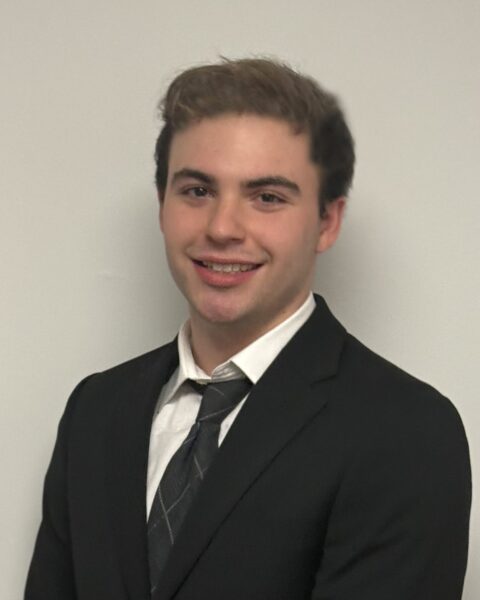 Century-scale Carbon-sequestration in Cross-laminated Timber Composite Bolted-steel Buildings
Awardee: Kieran Schwartz, COE’28
Mentor: Jerome Hajjar, COE, Civil & Environmental Engineer
I hope to help develop a new structural system that integrates cross-laminated timber floor diaphragms into steel frame structures, using novel wood species that make construction faster, more flexible, and less wasteful of materials, carbon, and energy. This project aims to prove that friction-based steel-timber connections can create strong, resilient structural assemblies while being easily taken apart and reused in future structures, reducing the harmful environmental impact of the construction industry.
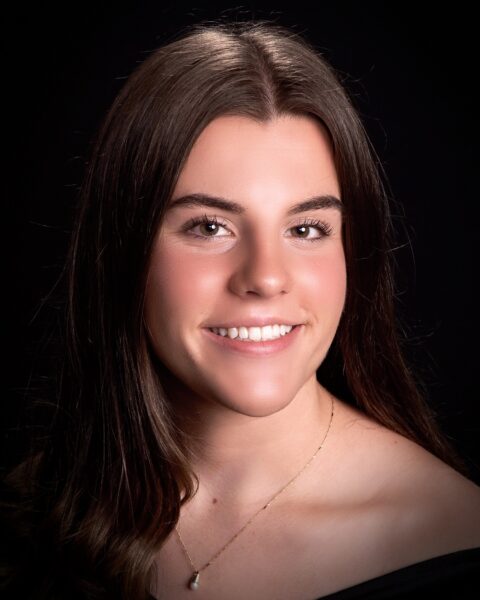 NAD- Capping as a Regulator of Translation in Response to Metabolic Stress
Awardee: Kyla Shaw, COS’28
Mentor: Rachelle Reisberg, COS, Business Administration
The eukaryotic 5′ m7G cap is key regulator of RNA stability, nuclear export, and translation initiation, but metabolic cofactors like NAD+, can serve as non-canonical mRNA caps; however functional consequences remain unknown. Preliminary findings show metabolic remodeling increases NAD-capping in oxidative phosphorylation. Given the relative abundance of m7G and NAD-capped RNAs changes during metabolic disturbances, we asked if NAD-capped RNA actively suppresses translation of other transcripts. Experiments revealed a disproportionate reduction m7G-driven protein expression, revealing that NAD-capped RNAs act as dominant translation suppressor. These results support a model in which NAD capping as a distinct layer of translational regulation.
 Internet Search Patterns Reflect Clinical Disease Progression: Evidence from Flu and RSV
Awardee: Imogen Slavin, Bouvé’27
Mentor: Mauricio Santillana, COS, Physics
When people get sick, they frequently turn to the internet to look up symptoms, treatments, or home remedies before ever visiting a doctor. This project examines whether these online search habits can help track the spread and progression of influenza and respiratory syncytial virus in communities before hospitals notice an uptick in cases. By analyzing clinician search data, Google Trends, and emergency department records from all 50 states, the study investigates if search topics shift in a predictable way as illnesses move through a population. I plan to share my findings through a peer-reviewed publication.
 Engineering N.benthamiana Hairy Roots to Secrete Pesticide Degrading Enzymes
Awardee: Logan Small, COE’28
Mentor: Adam Caparco, COE, Chemical Engineering
The project has the purpose of exploring the possibility that N.benthamiana roots can be engineered to secrete enzymes capable of degrading persistent pesticides. This is significant as it would prove that plants can be engineered to secrete non-native remediation based enzymes, allowing for a broader impact of establishing an environmentally safe alternative to current soil cleanup processes. This will be achieved by creating a DNA construct including degradation enzymes and a fluorescence reporter, transforming the construct into the roots, then confirming expression using fluorescence microscopy. Results will be shared through a RISE poster presentation and potential scientific paper.
 “We Were Never Meant to Survive”: An Autoethnography of Digital Labor, Burnout and Student Activism
Awardee: Alexis Spicer, CSSH’27
Mentor: Anjanette Chan Tack, CSSH, Sociology and Anthropology
This project examines how first-generation, queer, and working-class student activists use digital tools like group chats and shared documents to organize, and how these digital traces reveal the hidden labor and burnout behind campus movements. Through critical autoethnography and analysis of my own activist archive, I study student activism as unpaid work that universities depend on but rarely acknowledge. Results will inform my senior thesis in anthropology and be presented at Northeastern’s RISE showcase. This research honors the political labor of marginalized students while asking universities to reckon with its human cost.
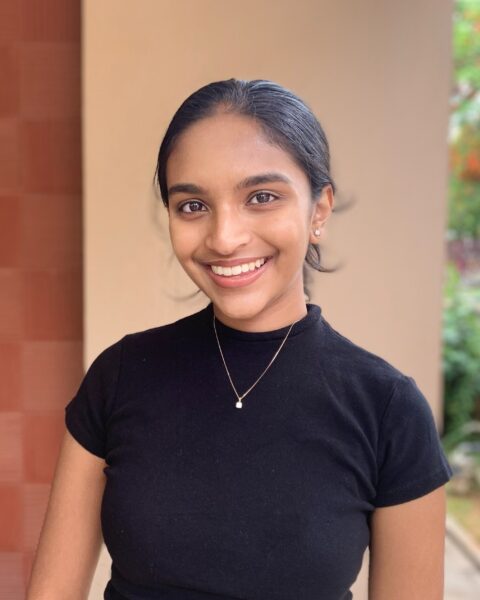 Yank Modulates Corticospinal Output During Voluntary Submaximal Contractions
Awardee: Aditi Swamy, COS’27
Mentor: Mathew Yarossi, Bouvé, Physical Therapy, Movemnt, and Rehabilitation Science
My research in the Movement Neuroscience Laboratory will investigate how the brain communicates with the muscles involved in gripping and releasing objects. Using the novel combination of transcranial magnetic stimulation (TMS) and high-density electromyography (HDsEMG), I will study how cortical activity changes with force output of voluntary index finger contractions that mimic grip force release in healthy subjects. This work aims to develop quantitative, noninvasive markers of motor-systems health that could inform clinical monitoring of motor-neurological disease. Findings will be shared through a presentation at Society for Neuroscience this November, preparation of a publishable manuscript, and a poster at RISE.
 Body Composition, Fitness, and Cognition
Awardee: Sarah Thomas, Bouvé’27
Mentor: Lauren Raine, Bouvé, Physical Therapy, Movemnt, and Rehabilitation Science
Physical fitness and its link to brain function have been proven; however, current studies focus on older adults/children, leaving young adults out. This study investigates the relationship between cardiovascular/physical fitness and cognitive performance in Northeastern students aged 18-30. 30 participants will complete a single 3.5-hour lab visit involving body composition scans, endurance tests, cognitive tests, and a week of activity tracking afterward. Participants will provide academic transcripts and Claude AI usage data. Results are expected to clarify the effect of physical fitness on cognitive performance in this age group, be presented at Northeastern’s RISE Event, and developed for journal submission.
 Effects of per Promoter Swaps on Circadian Behavior and PER Protein Expression in Drosophila
Awardee: Sanketh Udupa, COS’27
Mentor: Erica Frank, COS, Biology
Sleep is a fundamental part of life, yet many questions remain about how our circadian rhythm regulates our sleep. The PER gene is known to play a role in our biological clock, with its activity fluctuating throughout the day. However, it remains unclear how necessary its promoter is. Using fruit flies (Drosophila), we will knock out the PER promoter and conduct behavioral assays to examine changes in its sleep. We will also use antibody-based immunostaining to discover any molecular changes. This project may provide further insight into circadian rhythms and how important of a role the PER gene plays.
 Mapping the Determinants of the First Cell Fate Decision in Mammalian Development
Awardee: Michelle Uvaydov, COE’28
Mentor: Dori Woods, COS, Biology
The first cell fate in developing mammalian embryos distinguishes the trophectoderm (TE) from the inner cell mass (ICM): two cell lineages that create the placenta and fetus. While it is known that mitochondria play a role in establishing these lineages, it is uncertain if they drive or assist this process. This project uses a stem cell model to transplant mitochondria onto developing cells and observe if they can specify into the TE. Understanding mitochondrial function has broad applications in regenerative therapies and improvement of assistive reproductive technologies. Results will be shared at RISE and later included in scientific publications.
 Comparative Macrophage Recruitment Following FUS-Induced CNS Injury in Axolotl and Mouse Model
Awardee: Alexander Vincenti, COS’28
Mentor: Tao Sun, COE, Bioengineering
This research tracks and compares immune cell (macrophage) recruitment in axolotls, salamanders known for their pro-regenerative properties, and mammals— which exhibit anti-regenerative properties— after central nervous system injury. Using Focused Ultrasound (FUS), congruent CNS injuries will be produced and histologically validated in both models, enabling a longitudinal study that visualizes and quantifies macrophage recruitment across multiple timepoints. This comparison addresses a fundamental question in regenerative medicine: why do axolotls heal without scarring while mammals do not? Anticipated outcomes may suggest macrophage-engineering strategies to reproduce pro-regenerative kinetics in mammalian models, with results compiled into a peer-reviewed manuscript.
 Determining CNS Side-Effects of NMDA-Antagonist Drugs using the Neuro-Behavioral Assay (NBA)
Awardee: Abby Zodl, COS’28
Mentor: Gunther Zupanc, COS, Biology
Around 25% of drug development efforts often get scrapped before clinical trials due to underlying CNS side-effects. To combat this loss of time, effort, and money, the Neuro-Behavioral Assay (NBA) was developed to find these side-effects before drugs enter Phase I. Through the use of the model organism Apteronotus leptorhynchus , motor and neural effects (frequency of electronic organ discharge, locomotor activity, and “chirps”) will be quantified through the NBA to determine the unknown CNS side-effects caused by neurotransmitter-antagonist drugs. Findings will be shared through submission to peer-reviewed journals to contribute to the drug development field.