Spring 2026 PEAK Fellowships Cohort Begins Projects
Undergraduate Research and Fellowships is pleased to feature the Spring 2026 PEAK Fellowships Cohort. This group of students from across the university will explore a wide variety of topics and questions from developing brain-computer interfaces, to analyzing air quiality data to inform future legislation, Socioeconomic Factors impact on twin infants, and more. Congratulations Huskies!
Base Camp Fellows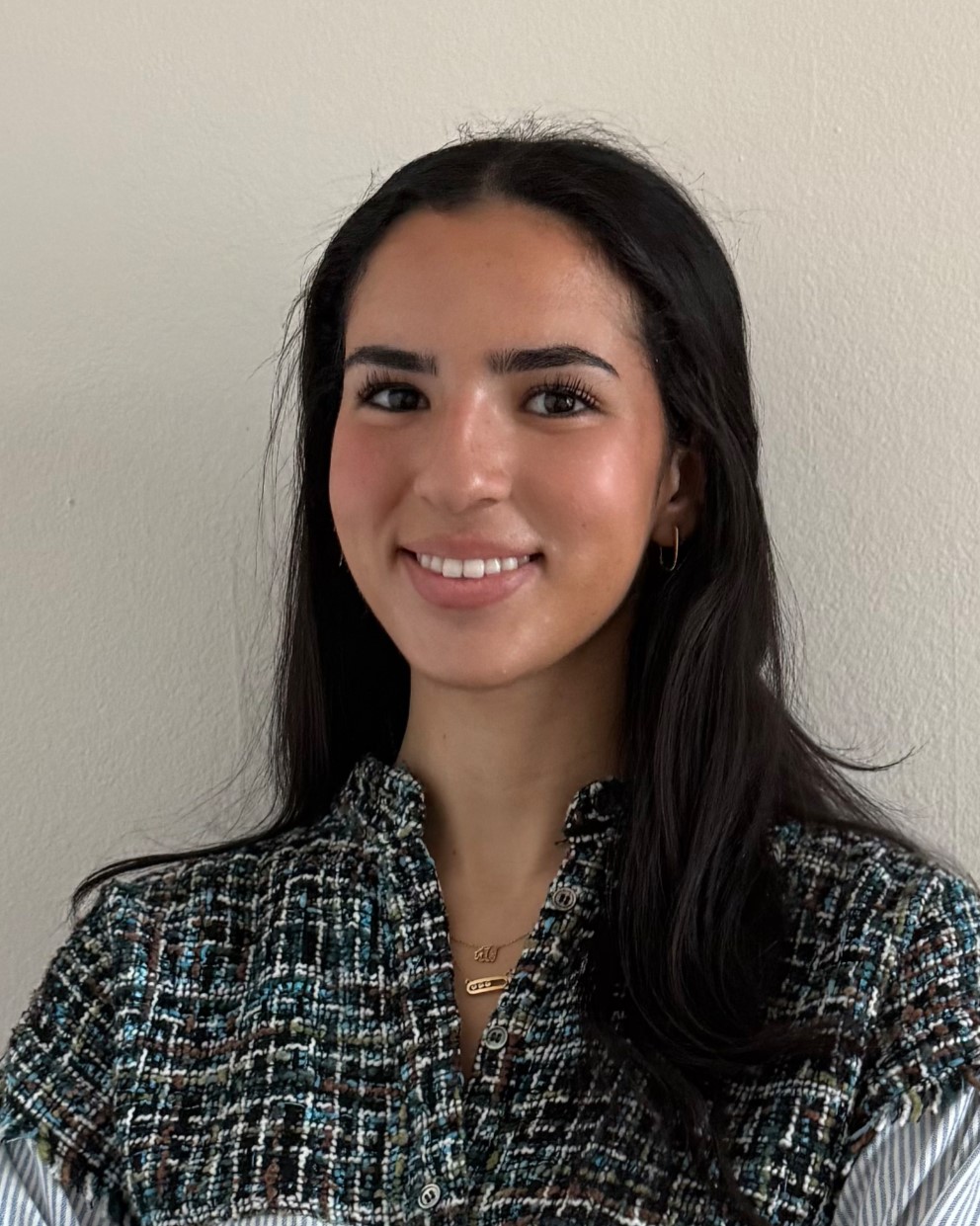 Visualizing Sectoral Stress in Financial Systems
Awardee: Leena Benbrahim, Khoury’29
Mentor: Mikhail Oet, DMSB, Finance & Insurance
Creating a visual web application that maps how financial stress spreads between economic sectors, helping policymakers and financial institutions detect warning signs of instability before they escalate into broader crisesa
 Applying NLP Techniques to High Frequency Multivariate Time Series Data in Manufacturing Machinery
Awardee: Gordon Bie, DMSB’27
Mentor: Xiaoning Jin, COE, Mechanical & Industrial Engineering
I aim to work with my research faculty to apply machine learning traditionally used to process natural language to monitor sensors in autonomous manufacturing machines. Reducing manufacturing defects and maitenance costs and significantly improving overall manufacturing efficiency and product quality.
 Examining Immune Pathways Used to Detect Bacterial Interference
Awardee: Kalli Bo, COS’28
Mentor: Pedro Saavedra, COS, Biology
My research aims to gain a better understanding of how immune cells recognize when harmful bacteria is present, by examing the role immune sensors play in triggering inflammation, through different inflammasome pathways. I hope to better support new treatments warranted by infections, by revealing new insights into immune defense mechanisms.
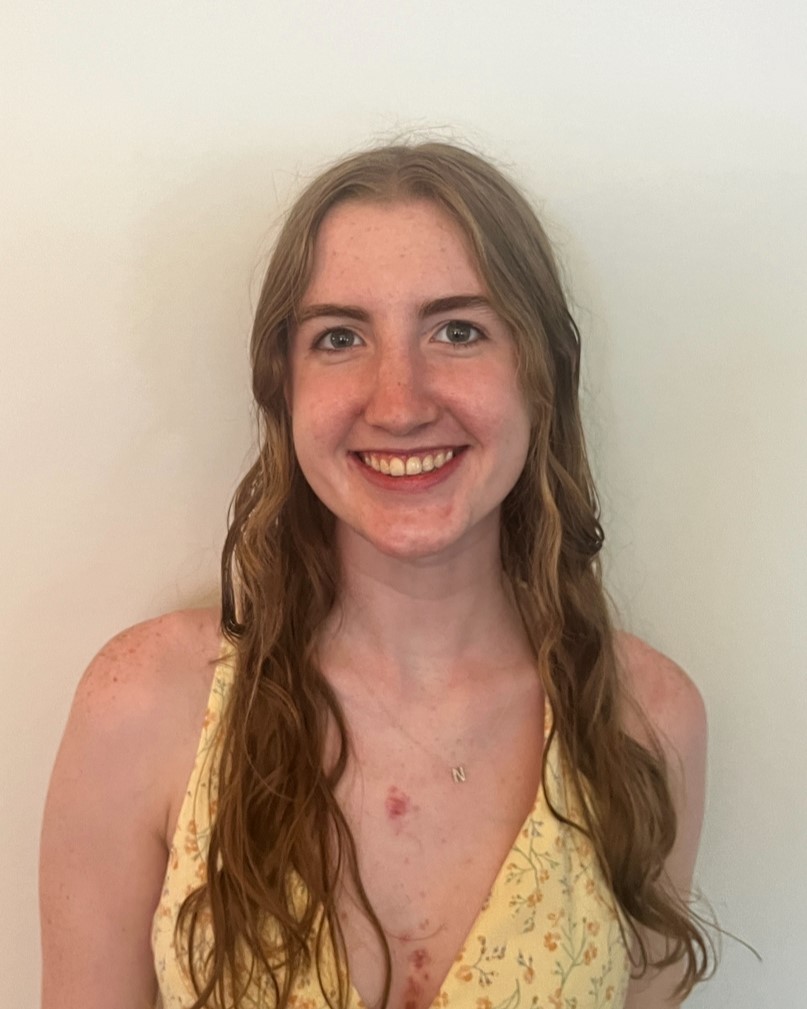 Characterizing the Novel Protein Interactors of PGR5 in Photosynthetic Cyclic Electron Flow
Awardee: Natalie Boedewig, COS’28
Mentor: Lianyong Wang, COS, Biology
This project aims to discover the localization, interactions, and function of PGR5, a protein complex in the chloroplast that may be important for energy production. By discovering how PGR5 works, opportunities for increasing energy production and crop yield will become possible.
 Implications of Wormhole Dynamics on Spacetime
Awardee: Audrey Brenhouse, COS’28
Mentor: Camille Gomez-Laberge, COS, Physics
Gain an appropriate framework of quantum mechanics and general relativity in order to begin studying wormhole dynamics. This includes differential geometry, Einstein’s equations, and special relativity of fields.
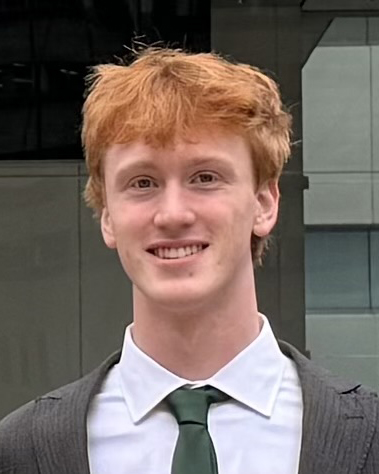 Structural Shifts to the Phillips Curve: A Cross Country Analysis
Awardee: Gregory Caron, Khoury’29
Mentor: Mark Hooker, CSSH, Economics
This project investigates whether the Phillips Curve, an economic relationship linking inflation and unemployment, still accurately reflects how modern economies behave. With advances in AI reshaping productivity and inflation expectations shifting worldwide, understanding changes to this relationship is increasingly important. Using cross-country data, literature review, and econometric methods, the study will investigate how productivity growth and inflation expectations influence structural changes in the Phillips Curve. Results will offer insights for policymakers navigating evolving economic conditions. I plan to share findings through a research paper and presentations at undergraduate research confrences.
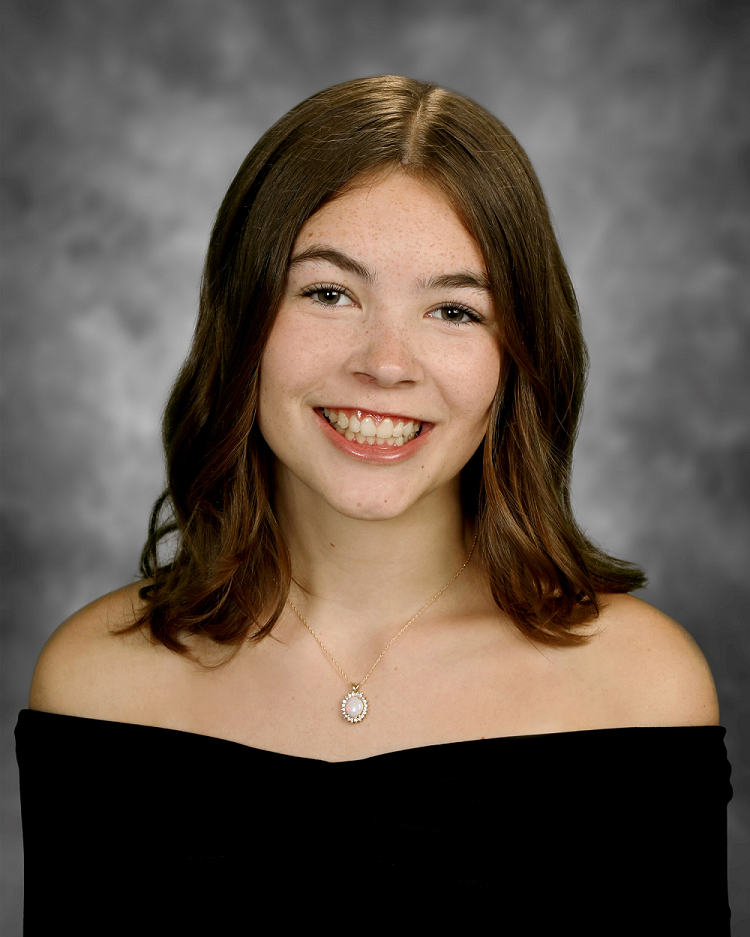 Amyotrophic Lateral Sclerosis and Acoustic Sound Mapping: Discovering Neurophysiological Correlates of Disease
Awardee: Rachel Cason, COS’29
Mentor: Hannah Rowe, Bouvé, Communication Sciences & Disorders
I hope to explore acoustic speech mapping and segmenting of audio samples to identify neurophysiological correlates of Amyotrophic Lateral Sclerosis. I am most excited to explore how acoustic speech mapping can allow for a quicker prognosis of disease, which could allow for quicker and hopefully more successful intervention.
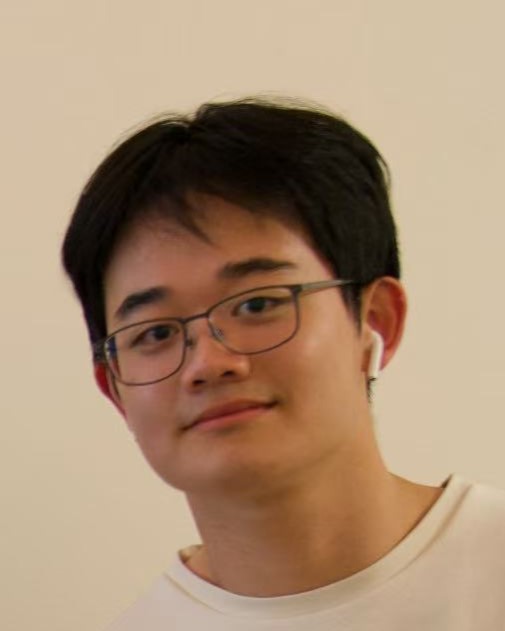 High-Throughput Study of Anion Exchange Membrane Degradation Pathways by Vibrational Spectroscopy
Awardee: Jack Chen, COS’28
Mentor: Eugene Smotkin, COS, Chemistry & Chemical Biology
I will study how advanced alkaline membranes used in clean energy devices degrade over time, focusing on how ions move through them and cause damage. This work aims to improve membrane durability and support the development of cheaper, more sustainable energy technologies.
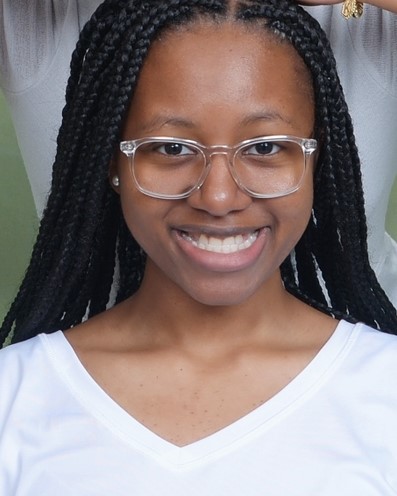 How Absent Are Black Fathers Really?
Awardee: Keyana Coley-Rice, COS’26
Mentor: Matthew Alemu, CSSH, Sociology and Anthropology
Through this project, I hope to explore what is truly meant when we say that a Black father is absent. Absence is pervasive, complicated, and perceived differently by all, so there is a need to understand what it can look like and how it can be felt.
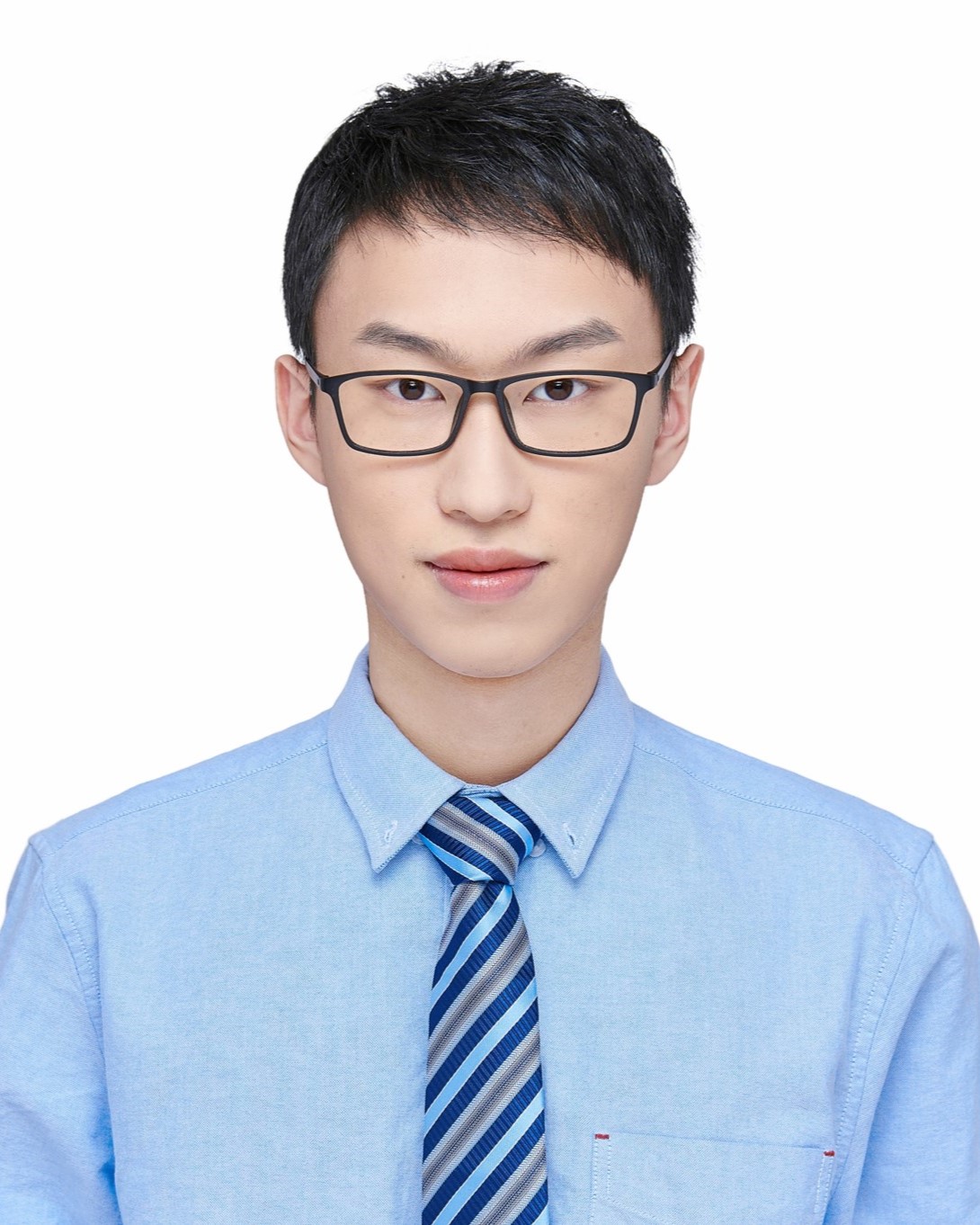 How Alternating Timbre and Shaping Expectations Affects Musical Pitch Perception
Awardee: Nighten Ding, CAMD’27
Mentor: Hubert Ho, CAMD, Music
This project studies how people perceive musical pitch without directly matching sounds with the same pitch together while timbre alternates, and how expectations shape what we hear. By examining both behavior and subjective experience, the research aims to improve our understanding of how humans perceive pitch.
 Polymer Synthesis for Antimicrobial Applications
Awardee: Nitya Eswaran, COE’28
Mentor: Abraham Joy, COE, Bioengineering
I intend to explore how polyesters and polyurethanes can deliver antibiotics to treat infections and how these polymers can directly kill bacteria, addressing significant medical challenges such as antibiotic resistance.
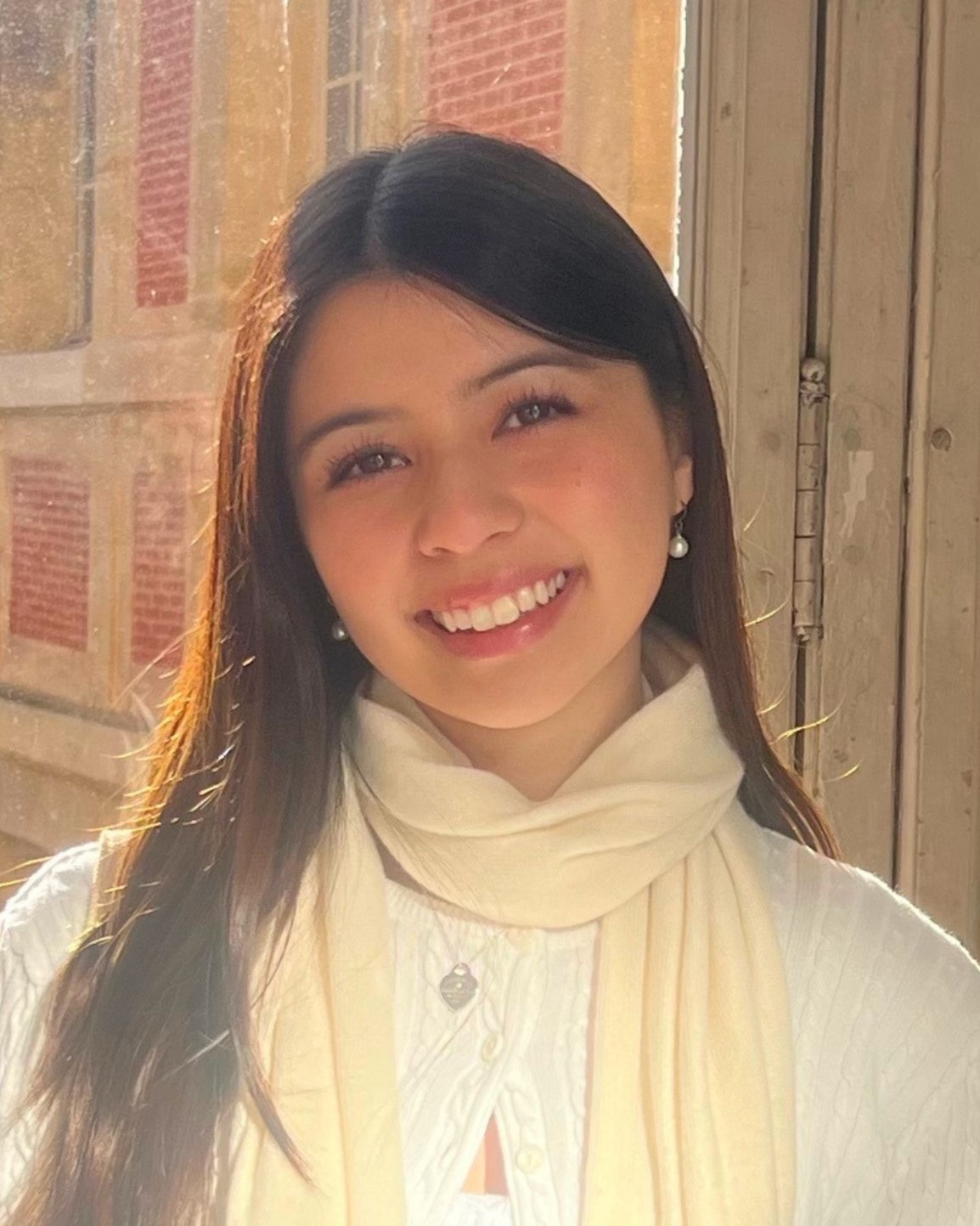 Investigating TasA-EPS Crosslinking Through Pyruvyl-Serine Bonds in Bacillus Subtilis Biofilms
Awardee: Eva Franco, Bouvé’28
Mentor: Yunrong Chai, COS, Biology
I’m investigating how proteins and sugars bind together in bacterial biofilms, the protective communities that help bacteria resist antibiotics. Understanding these molecular connections could reveal new strategies for controlling harmful biofilms in medical and industrial settings.
 Patient Voices from an Advance Care Planning Intervention and Optimizing Care for Serious Illness
Awardee: Viti Gaonkar, Bouvé’’26
Mentor: Jeanne Madden, Bouvé, Pharmacy & Health Systems Science
We are examining recorded Advance Care (ACP) Planning conversations between patients and clinicans to determine what homebound patients say and how they feel about ACP. This will allow us to gain insights on how ACP differs among patients and how to further improve these processes to reach more patients.
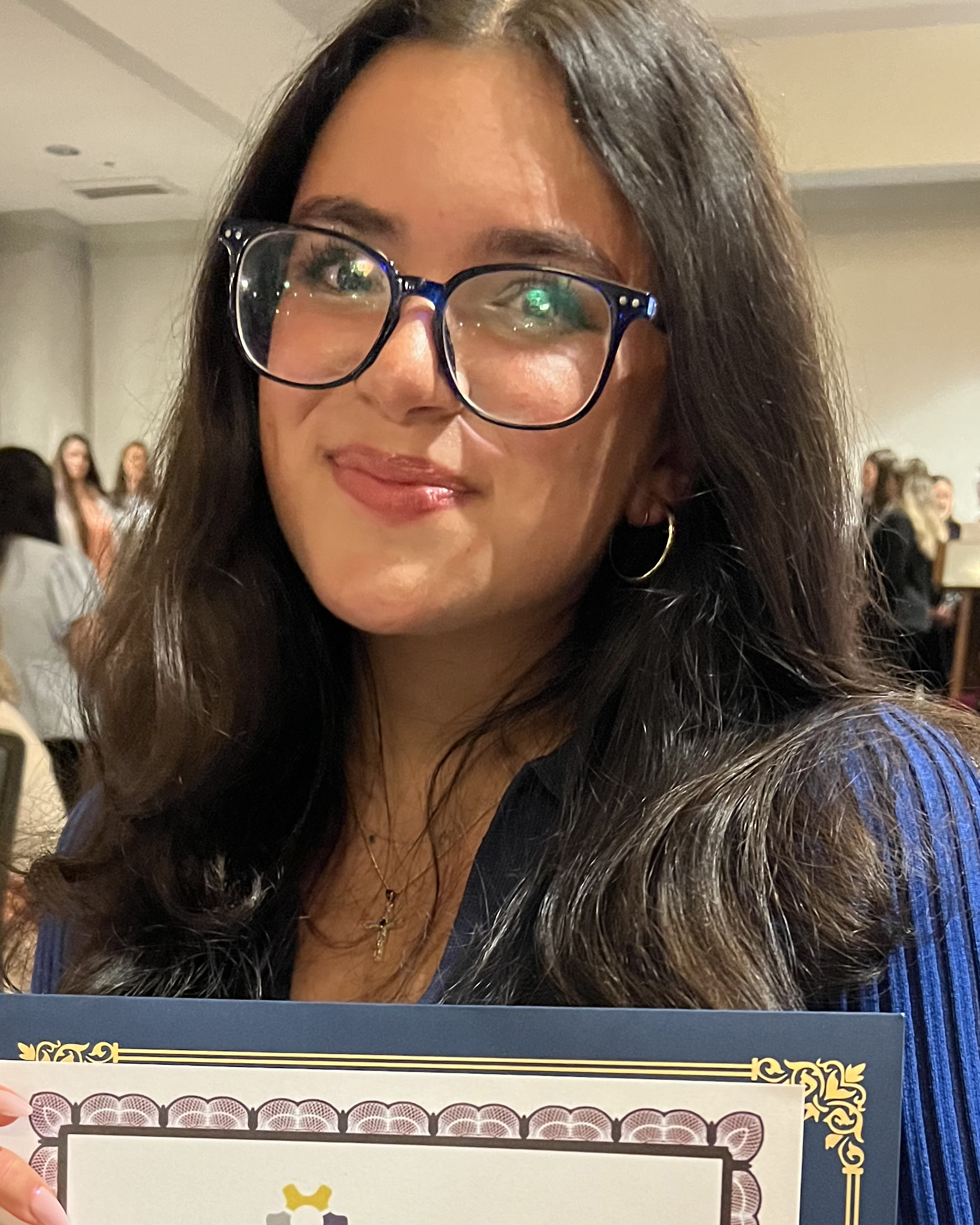 An Introduction to Drug Discovery Through Hands-On Laboratory Training
Awardee: Gianna Greco, COE’29
Mentor: Jie Shen, Bouvé, Pharmaceutical Science
This project focuses on gaining hands-on training in a drug discovery laboratory by assisting with ongoing research and learning how potential therapies are identified, tested, and evaluated. The experience will provide a foundational understanding of how laboratory science contributes to drug development.
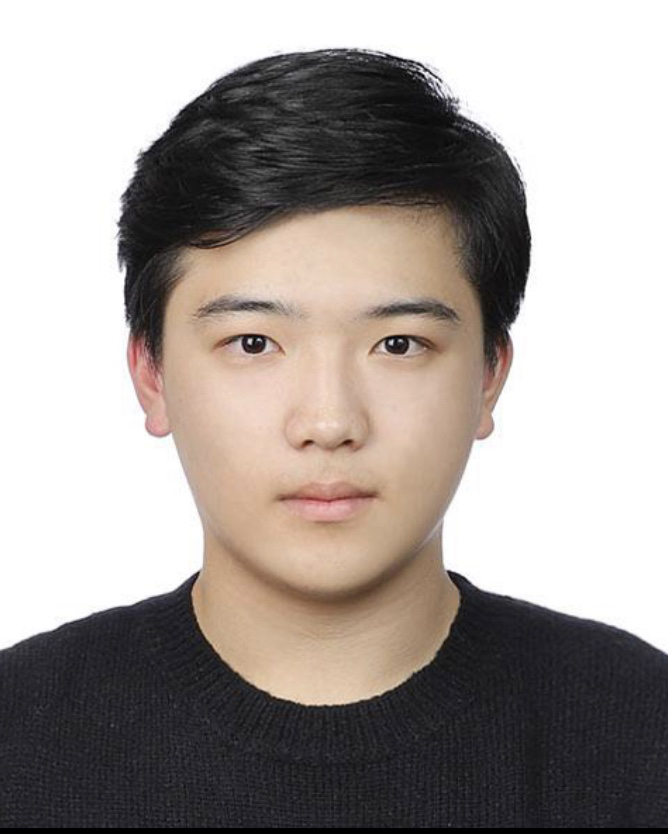 Circuit Tiles: Modular STEM Learning Tiles
Awardee: Mason Kim, COE’28
Mentor: Aleks Gollu, DMSB, Entrepreneurship & Innovation
“Circuit Tiles” is a modular magnetic toy that helps 4th-8th graders explore real circuits and STEM concepts through simple activities. With my mentor, I will refine the 2nd-gen prototype, run small pilots in local makerspaces, and learn to collect feedback to improve both the tiles and the education curriculum.
 EEG-Based Intent Recognition for Low-Cost VR Interaction
Awardee: Nicholas Kozhemiakin, COE’29
Mentor: Deniz Erdogmus, COE, Electrical and Computer Engineering
This project aims to advance early-stage brain-computer interfaces by developing an integrated system that translates electrical signals from the scalp into simple actions in virtual reality. The work involves designing a non-invasive EEG device that attaches directly to a VR headset, collecting signal data, and training a machine-learning model to distinguish between a small set of user intentions. The project will deliver a hands-free VR interaction demonstration, highlighting the potential for practical, reliable intent-based control using non-invasive neural signals.
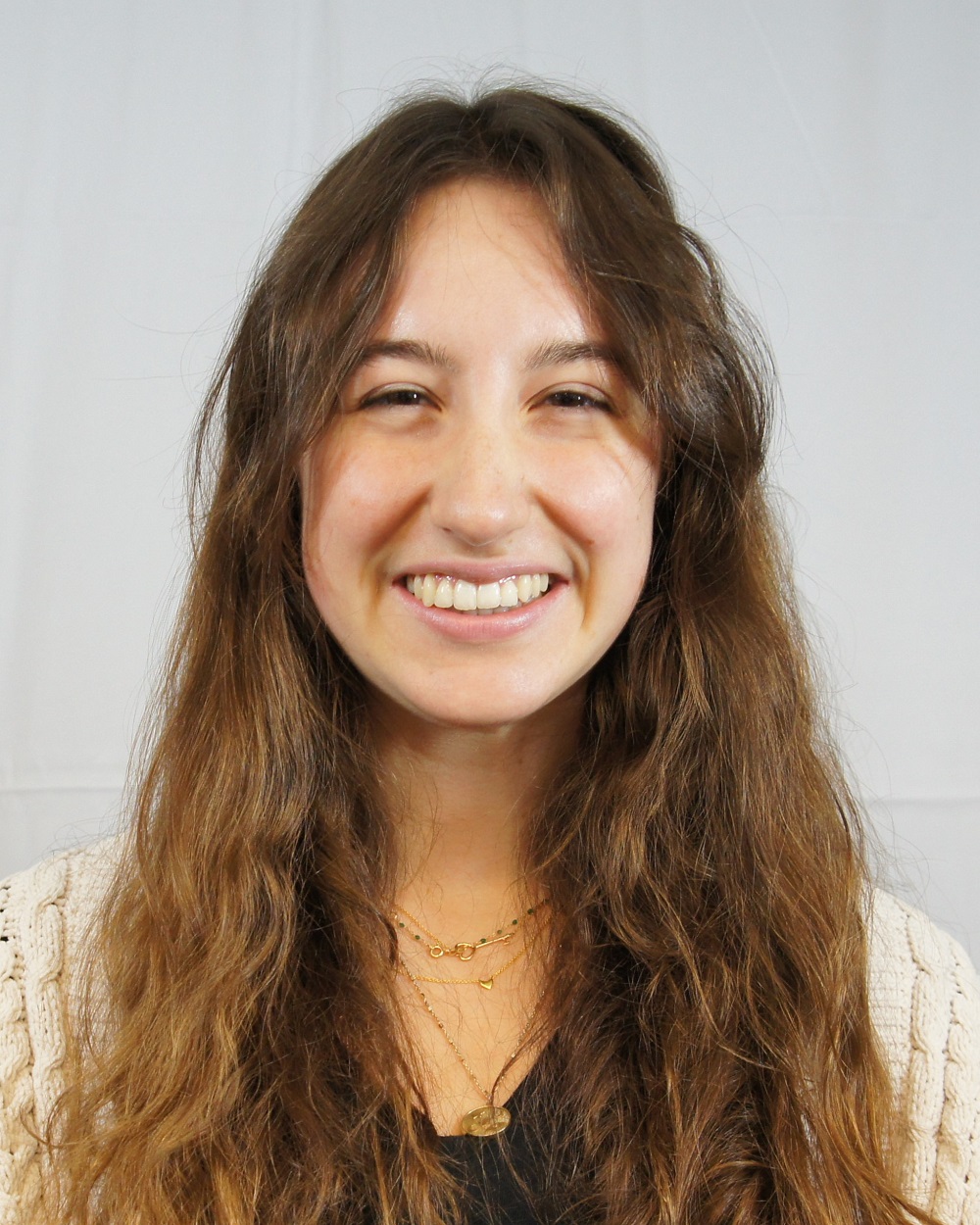 Biosensing Characterization of E.coli Sensors on Textiles
Awardee: Frances Lefkowitz-Pizzuti, COS’27
Mentor: Neel Joshi, COS, Chemistry & Chemical Biology
This project aims to continue investigating the potential of composite living fibers through characterization of organic materials and bacterial viability, with application of this work to textiles. Such engineered fibers have the potential to combine mechanical strength with biological activity to deliver living textile biosensors and functional microenvironments.
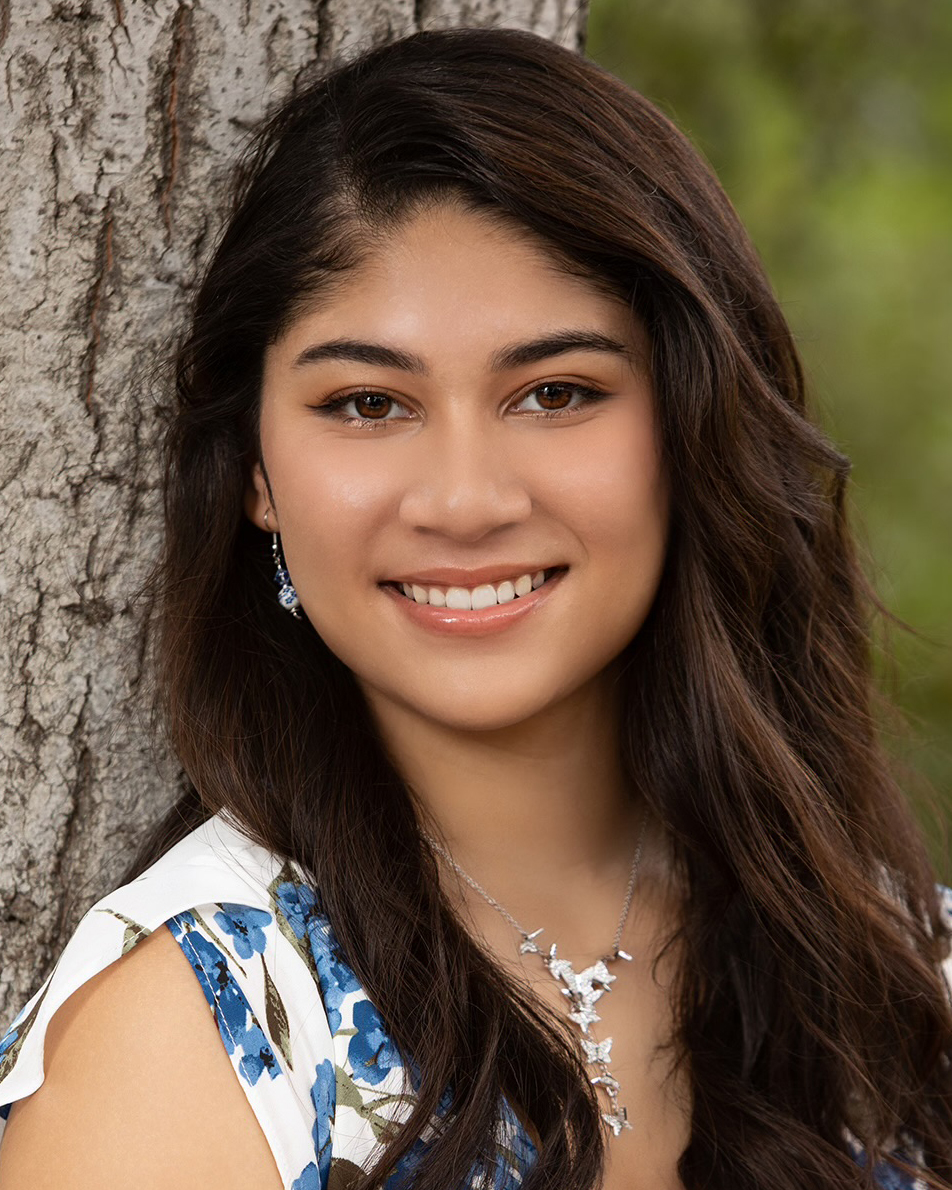 The Dawn of the Digital Age and the Rise of the Computing Private Sector
Awardee: Lauren Lopez, Khoury’28
Mentor: Jessica Linker, CSSH, History
This project examines how the rise of the private computing sector between 1965 and 1995 reshaped the American economy, culture, and national ideals. Using various primary and secondary sources, it examines how this transition redefined the American Dream and reinforced systemic inequalities. Findings will appear in a paper and webpage.
 Synthesizing Novel Pyrimidone-Based Kinase Inhibitors to Treat Fatal Amoebic Infections
Awardee: Spencer Lyst, Bouvé’29
Mentor: Lori Ferrins, Bouvé, Pharmaceutical Science
This project develops targeted theraputics for fatal amoebic infections by synthesizimng diverse substituted pyrimidone compounds that inhibit essentail kinases in Balamuthia mandrillaris . By exploring various subsituents, we aim to indenitfy lead compounds for treating this neglected disease with no FDA-approved therapies.
 Speech Understanding in Listeners with Cochlear Implants
Awardee: Meghan MacIver, COS’28
Mentor: Jonathan Peelle, Bouvé, Communication Sciences & Disorders
Cochlear implants restore hearing through electrical stimulation; however, the signal is less precise than biological hearing. This project examines how listeners adapt to this reduced input, including why some succeed more than others, by using eye-tracking and pupilometry to assess effort in acousitcally challenging listening environments.
 Weaving, Knitting, and Embroidery of Living Threads
Awardee: Katherine McDonnell, DMSB’28
Mentor: Katia Zolotovsky, COS, Chemistry & Chemical Biology
I will contribute to the Biointeractive Design lab’s development of biosensing threads that are coated with hydrogel containing E.coli cell sensors. I will help develop fabrication practices for these threads as the vision of this project is to develop biologically active wearables that monitor physiological biomarkers in real time.
 Freedoms Built in Brotherhood: Prince Hall, Black Freemasonry, and Revolutionary Boston
Awardee: Gabrielle Patterson, CSSH’27
Mentor: Nicole Aljoe, CSSH, English
This project explores how Prince Hall and early Black Freemasons in Boston built leadership through brotherhood and community in the face of slavery and racial exclusion. Through ritual, activism, and networks of mutual aid, Black Freemasonry became a foundation for Black autonomy and liberation in America and beyond.
 AOO – Extracting Narrative Features
Awardee: Amogh Peddapothla, Khoury’28
Mentor: Yakov Bart, DMSB, Marketing
I will process over 40,000 fanfiction narratives using computational tools to analyze sentiment, emotion, and psychological themes, revealing patterns in how stories convey feelings and ideas at a scale impossible through traditional reading and analysis.
 New Methods for Identifying Hope Spots on Coral Reefs
Awardee: Maren Potter, COS’29
Mentor: Brian Helmuth, COS, Marine & Environment Sciences
Coral reefs are under increasing stress but hope spots remain. This project will analyze images taken from healthy and degraded reefs in Curacao to explore what environmental conditions facilitate coral survival under changing ocean conditions.
 The Effect of Fibrosis on Lymphatic Function in Mice
Awardee: Alexander Rachlinski, Bouvé’28
Mentor: Katarina Ruscic, Bouvé, Pharmaceutical Science
The lymphatic system is the lesser-known ‘second half’ to the circulatory system. This project explores the dysfunction of lymphatics by inducing fibrotic scarring in mice and measuring any change in function; this will uncover hidden insight into the nature of lymphatic disorders in humans such as lymphedema and prolonged inflammation.
 Computational Analysis of Lipid Bilayer Mixtures for Drug Delivery Applications
Awardee: Ryana Riaz, COE’28
Mentor: Francisco Hung, COE, Chemical Engineering
Using molecular dynamics simulations, this project studies how different combinations of lipids affect the mechanical properties of liposomes—small spherical drug carriers. This computational research aims to identify which lipid formulations are best suited for delivering various therapies, including treatments for cancer and other diseases.
 CyberSeniors
Awardee: Davin Rich, CAMD’28
Mentor: Celia Pearce, CAMD, Art and Design
I plan to aid the group in their plan to create their own Tabletop Roleplaying Game by constructing various game mechanics, as well as laying the foundation for the general rules of play. I also will be playing a major part in constructing the character creation process within the game.
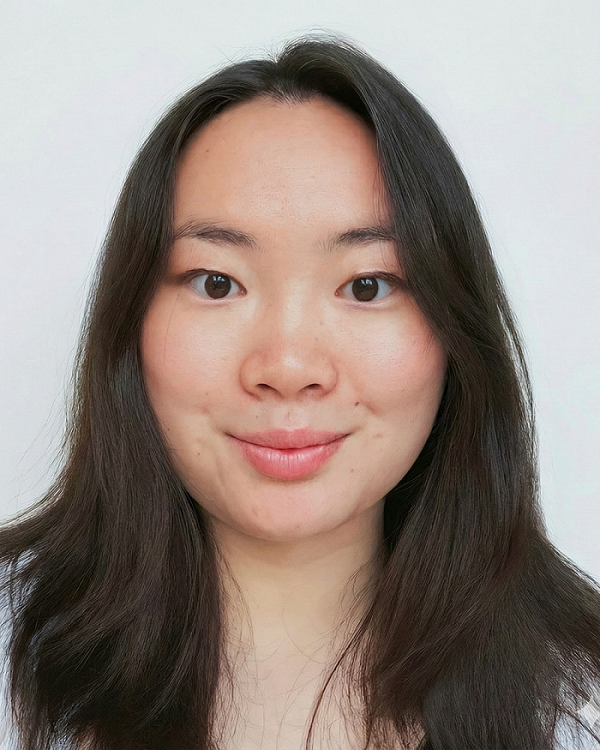 The Determinants of Black Upward Mobility in the Early 20th Century South
Awardee: Ruby Robicheau, CSSH’29
Mentor: Shariq Mohammed, CSSH, Economics
This project examines the determinants of Black upward mobility in the early 20th-century American South by linking biographical records to U.S. census data. The research identifies how family background, education, and local social networks contributed to economic advancement despite systemic racial barriers.
 Husky V3 Soft-Shoe Attachment for Improved Traction
Awardee: Sonia Robinson, COE’29
Mentor: Alireza Ramezani, COE, Electrical and Computer Engineering
I hope to create a type of soft shoe for a walking robot called Husky Beta(Version 3) to improve the grip it has when walking by exploring traction designs and materials. This will help keep the robot’s feet from slipping when walking on different surfaces.
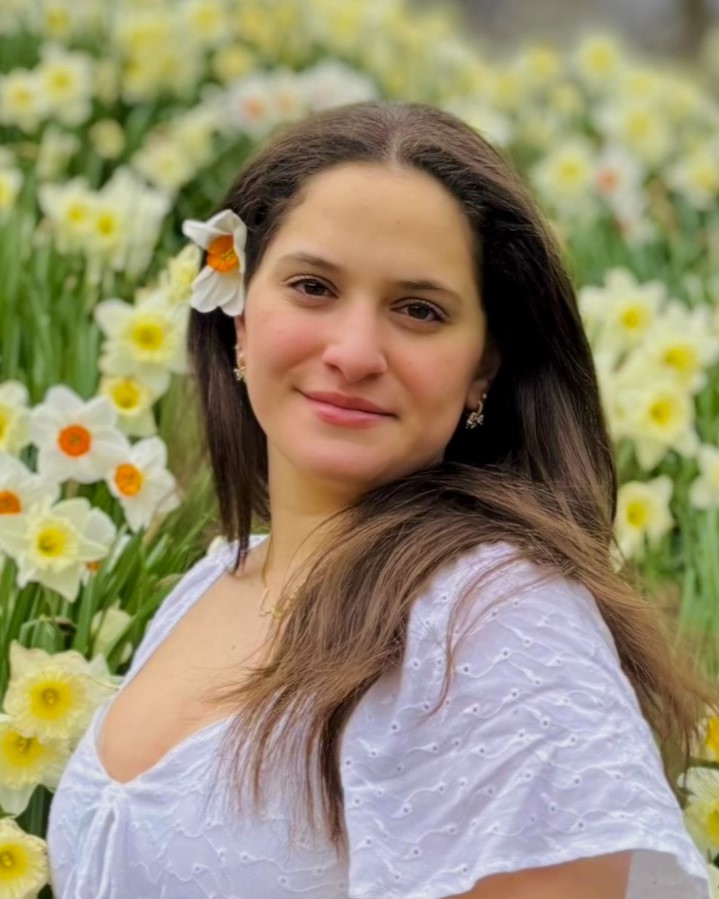 Assessment of Functional Side Effects in the Central Nervous System of Drugs through the Neuro-Behavioral Assay
Awardee: Naya Sabha, COS’29
Mentor: Gunther K.H. Zupanc, COS, Biology
I will utilize the Neuro-Behavioral Assay to investigate how drugs developed for non-neurological purposes impact central nervous system function and behavior in weakly electric fish. The work involves running controlled drug exposures, collecting neural and behavioral recordings, and analyzing data to characterize the neurophysiological impact of each compound.
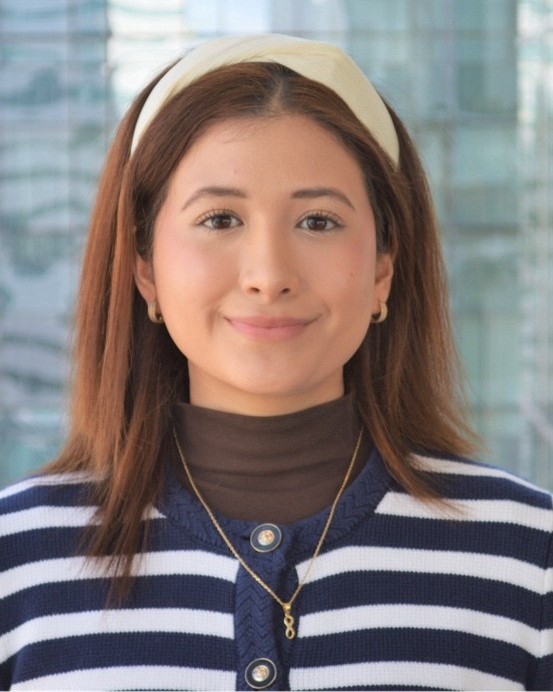 Shielding Women from Violence: The Effects of Violence Prevention and Monitoring Centers on Intimate Partner Violence in Türkiye
Awardee: Rosana Sanchez Campos, CSSH’26
Mentor: Bilge Erten, CSSH, Economics and International Affairs
I study whether specialized violence prevention centers in Türkiye successfully reduced intimate partner violence against women, finding that these centers significantly decreased both female homicides and self-reported physical violence by increasing women’s access to protective services and legal support.
 Mechanization of the Beta Clamp Protein in Bacterial Cells
Awardee: Ryan Schoenstedt, COS’29
Mentor: Penny Beuning, COS, Chemistry & Chemical Biology
I hope to investigate how the symmetrical beta clamps, central players in DNA replication and repair, functions inside of bacterial cells. Furthermore, by modifying and understanding how the clamp utilizes asymmetrical intermediates in the absence of a binding partner, I can uncover how bacteria survive if these clamps are modified.
 Deconstructable Steel-Concrete Shear Connection for Sustainable Composite Floor Systems
Awardee: Kieran Schwartz, COE’28
Mentor: Jerome Hajjar, COE, Civil & Environmental Engineering
I hope to help develop a reusable composite floor system that makes construction faster, more flexible, and less wasteful of materials and energy. This project aims to prove that friction-based connections can create strong, resilient floor assemblies while being easily taken apart and reused in future structures, reducing environmental impact.
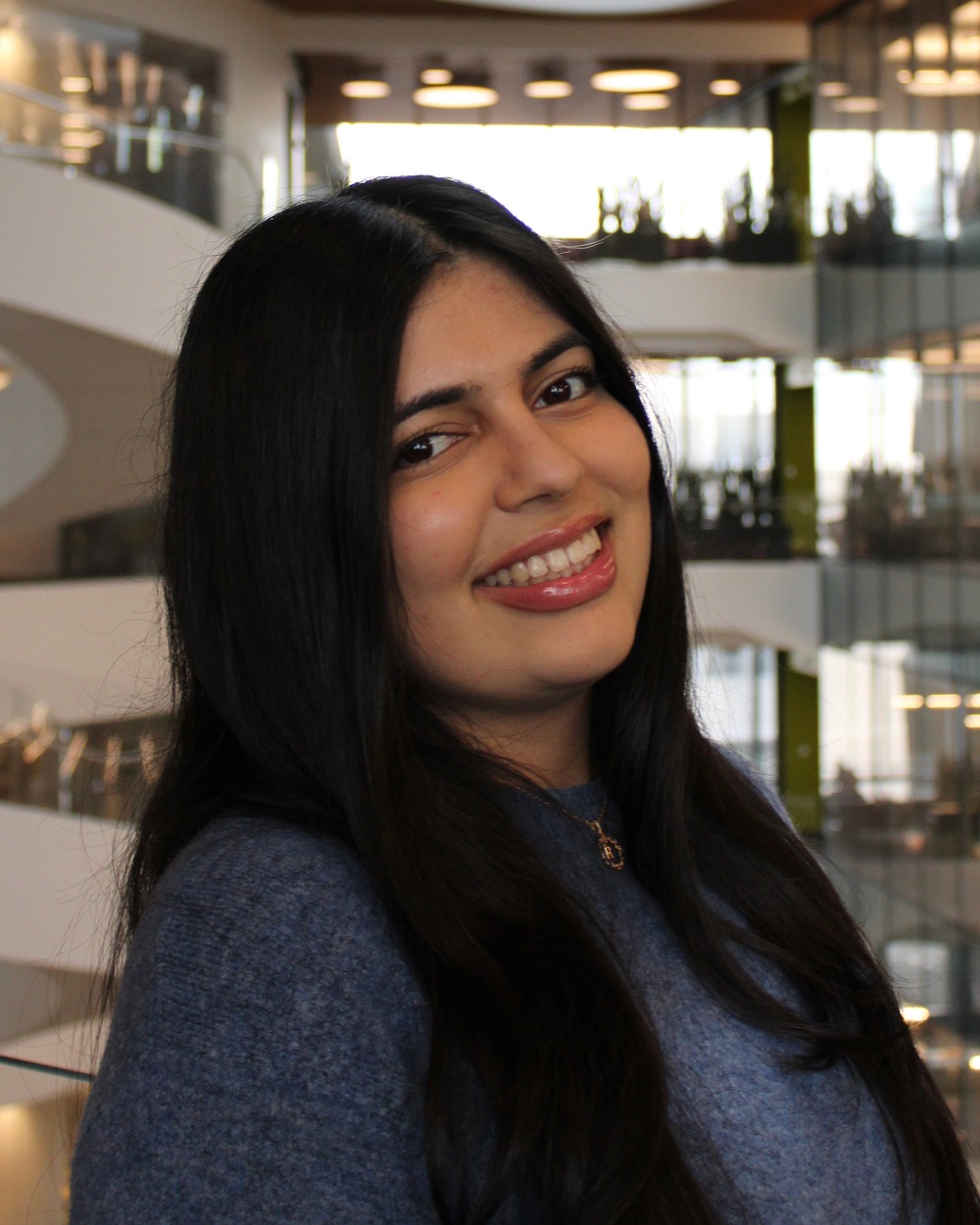 Investigating Sex Differences in the Cellular Composition of the Ventrolateral Periaqueductal Gray
Awardee: Rewa Sethi, COS’27
Mentor: Rebecca Shansky, COS, Psychology
My project will compare male and female rats to assess whether the ventrolateral periaqueductal gray, an area involved in pain, stress, and defensive responses, differs in its cellular makeup. This will be done by quantifying the expression of GAD2, a gene involved in synthesizing GABA, an important inhibitory neurotransmitter.
 Evaluating Linguistic Accessibility for Spanish-Speaking Patients in Los Angeles and Suffolk County
Awardee: Celine Shafee, COS’26
Mentor: Daniel Cuenca, CSSH, World Languages Center
A comparative evaluation of how hospitals in the Los Angeles and Boston areas support Spanish-speaking patients, highlighting strengths and gaps in language access and cultural resources. By comparing regional approaches, we aim to identify practical strategies to improve communication and care for Spanish-speaking communities in both regions.
 Examining the Role of Concurrent Medications in Shaping Patient Outcomes to Ketamine and Esketamine Therapy
Awardee: Pema Sherpa, COS’27
Mentor: Charlene Betts-Ng, COS, Biology
This project examines how patients’ clinical histories and concurrent medications may influence their response to ketamine and esketamine treatments for treatment-resistant depression. Through a focused literature review, the project aims to identify factors that could guide more personalized and effective treatment strategies for individuals experiencing severe depressive symptoms.
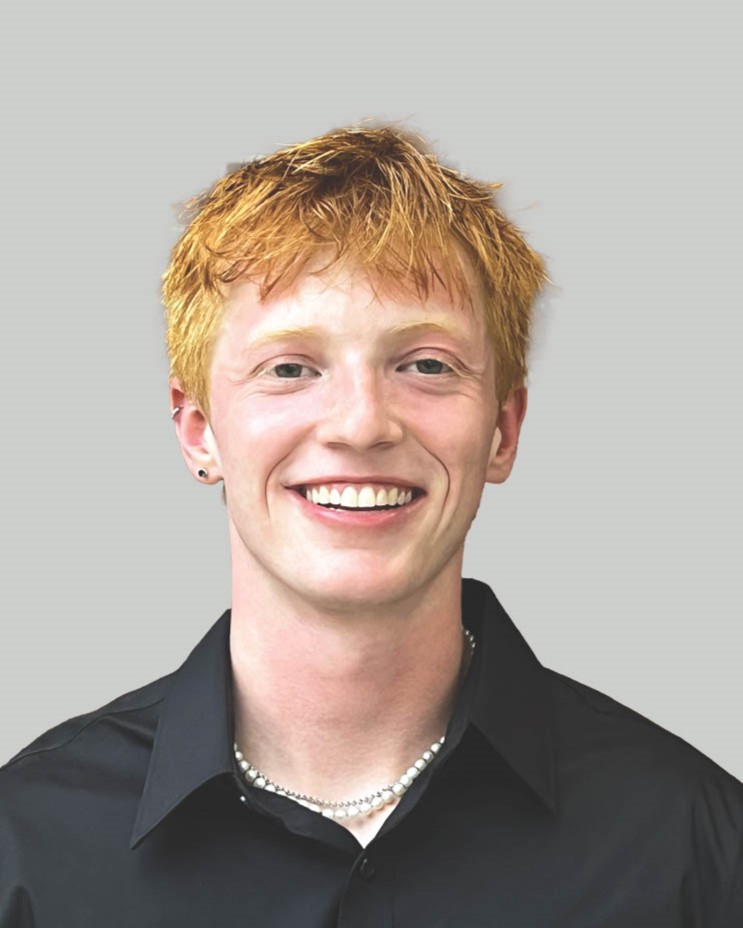 Assessing the Environmental Impact of Office-To-Residential Building Conversions: A Quantitative and Qualitative Approach
Awardee: Roman Shipley, CAMD’28
Mentor: Demi Fang, CAMD, Architecture
As cities face empty office buildings and housing shortages, this research explores converting vacant offices into homes. By analyzing successful transformations and measuring their environmental benefits compared to new construction, the project will identify strategies to reduce carbon emissions while preserving architectural heritage and addressing critical community housing needs.
 A Cultural Study of Madrid’s Food Customs since the Siege of Madrid
Awardee: Andrew Stanger, CSSH’28
Mentor: Cristina Perez-Arranz, CSSH, World Languages Center
The goal of this research project is to look back at primary documents from the siege of Madrid such as letters, notes, or official forms from the government to try and draw conclusions as to whether the food customs of the city have changed since the siege.
 Character Rigging and Animation Tutorials Using MotionMaker and Cascadeur
Awardee: Tatiana Sun, CAMD’27
Mentor: Bill Stout, CAMD, Art and Design
This project involves learning to import custon character models into MotionMaker and Cascadeur animation software. The goal is to create original animations and produce clear, step-bystep video tutorials for future students in character animation classes.
 Targeted Method Development for Stercobilin Identification
Awardee: Rachel Thorne, COS’28
Mentor: Zhenyu Tian, COS, Chemistry & Chemical Biology
Stercobilin is an organic bile pigment that has been identified as a strong potential biomarker of untreated wastewater contamination. This project will develop reliable methods for its identification using liquid chromatography-mass spectrometry in order to support water quality monitoring for public and environmental safety.
 Assessing Parole Outcomes of Recidivating and Non-Recidivating Juvenile Lifers
Awardee: Jay Uttamchandani, CSSH’28
Mentor: Simon Singer, CSSH, Criminology & Criminal Justice
This project examines recidivism among juvenile lifers by analyzing parole decisions, violation patterns, and postrelease outcomes for paroled individuals, and by evaluating hearing records and risk assessments for those still under review. Using quantitative coding and qualitative interview analysis, the study assesses how reliably parole determinations predict lawful, violation-free reintegration.
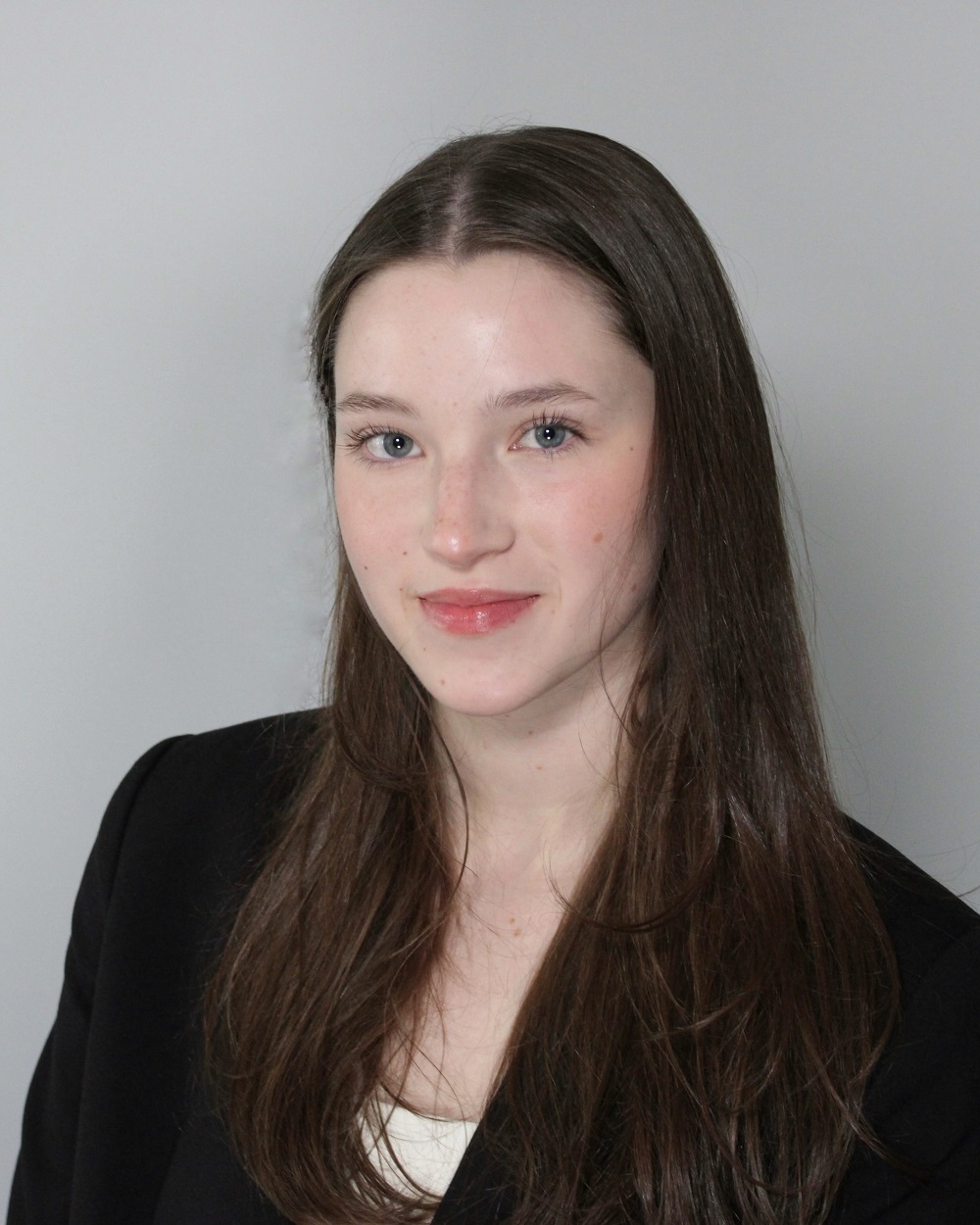 Stable Borlyenes for the Catalytic Reduction of Nitrogen
Awardee: Amelia Warsen, COS’27
Mentor: Jesse Peltier, COS, Chemistry & Chemical Biology
The project challenges the industrial process for ammonia production, which is extremely energy-intensive and therefore detrimental to the environment. By developing a catalyst, using borylene compounds, the process of producing ammonia will become significantly more energy efficient and will have applications in the food production, pharmaceutical, and refrigerant industries.
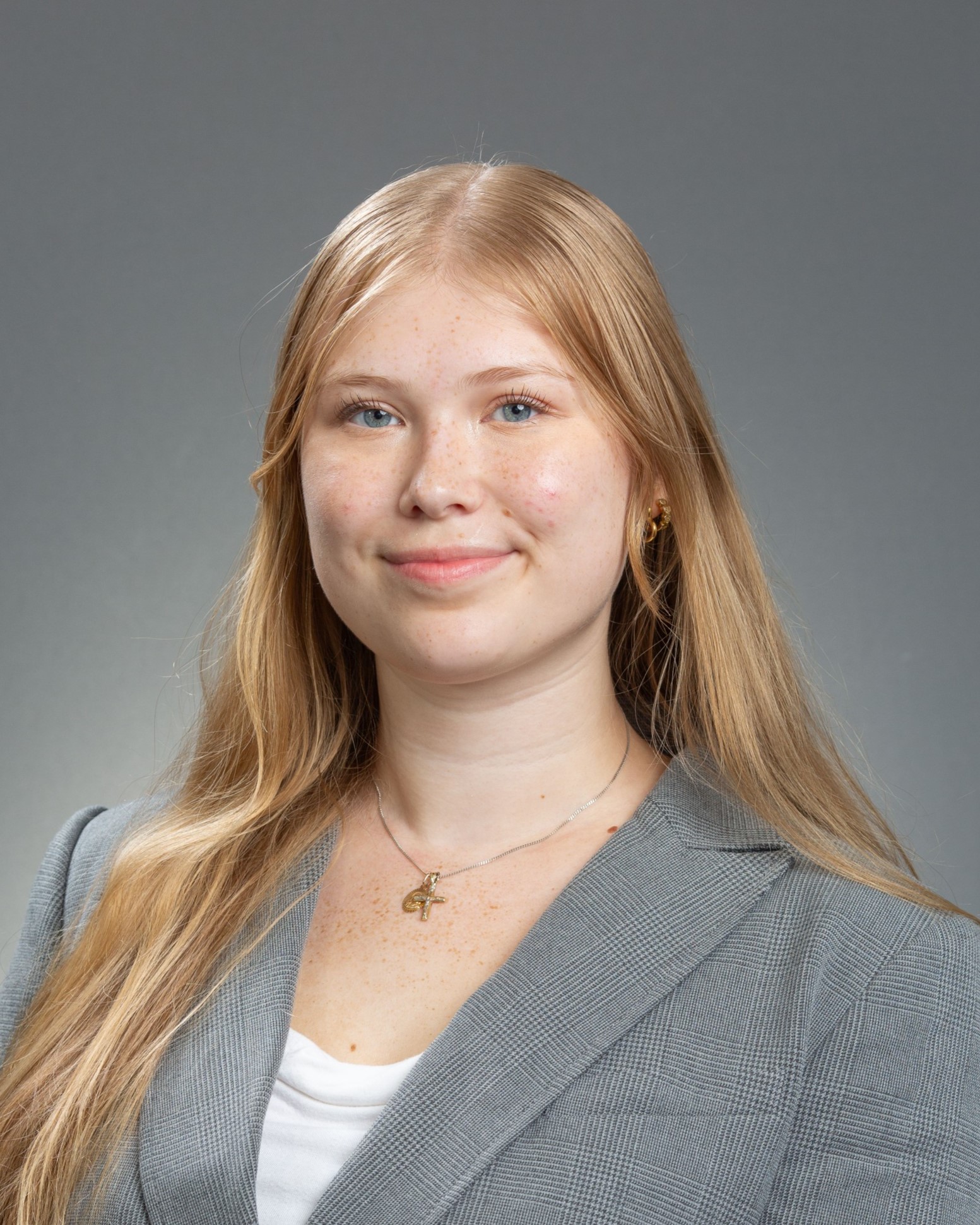 Transcranial Magnetic Stimulation Pulse Width Modulation for Cell Type Specific Stimulation
Awardee: Isabella Zakrzewski, Khoury’29
Mentor: Mathew Yarossi, Bouvé, Physical Therapy, Movement, Rehabilitation Science
This project investigates how pulse width variations in transcranial magnetic stimulation (TMS) affect brain circuits that regulate neural activity, particularly short intracortical inhibition, aiming to inform the development of more targeted neuromodulatory treatments for neuromotor rehabilitation.
Summit Fellows
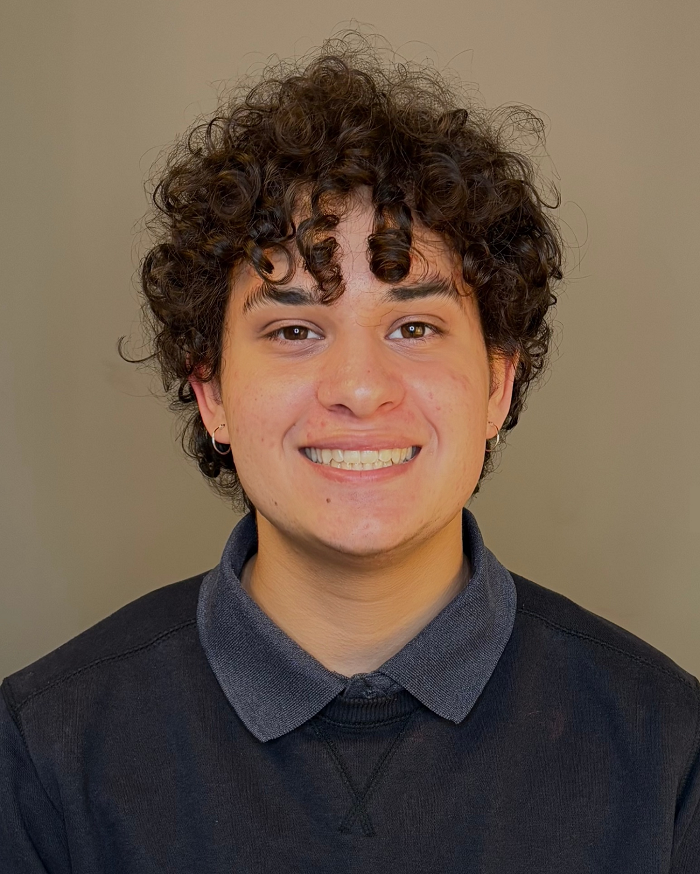 Utilizing Transient Gene Expression to Elucidate Acyltransferase Function in the Biosynthetic Pathwa
Awardee: Shai Adams, COE’27
Mentor: Jing-Ke Weng, COS, Chemistry & Chemical Biology
This project aims to uncover the biosynthetic pathway of petuniasterones, which are insecticidal compounds natively produced by petunias. As natural insecticides, petuniasterones present an exciting sustainable alternative to traditional chemical pesticides. This project will be completed by amplifying genes expected to act in the petuniasterone pathway and testing them in tobacco to see if they perform any reactions that move the pathway forward. The goal of this project is to understand how and when acyltransferase enzymes act in the pathway, and I hope to share the results at RISE as well as other external research conferences.
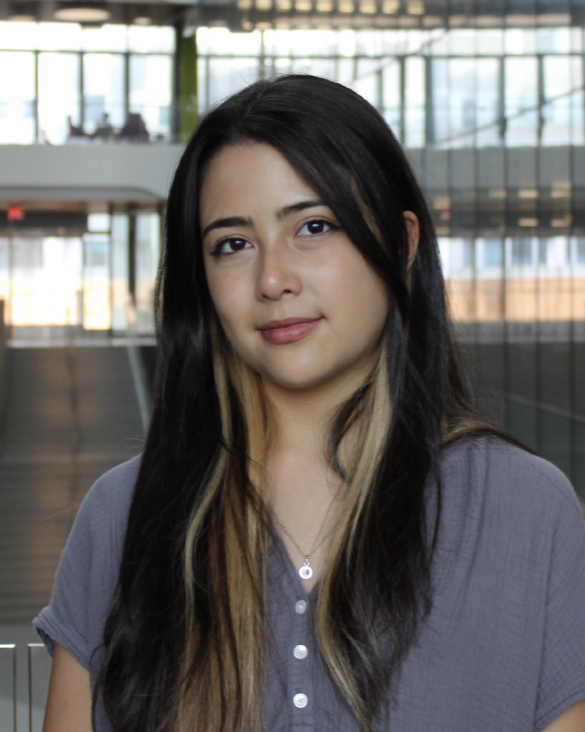 Characterization of Unique Mutagenesis Responses in Extremophile Bacteria Sampled from the Atacama Desert
Awardee: Sarah Adams, COE’26
Mentor: Veronica Godoy-Carter, COS, Biology
(1) processing collected sequence data to perform initial characterization of the unique mutagenesis responses in extremophile bacteria sampled from the Atacama desert, followed by (2) investigating identified protein/gene networks of interest for isolated molecular studies or targeted cellular-level assays. Following summer dialogue experience collecting samples in extreme conditions (high temperature, elevation, heavy metal content, and/or low oxygen), the bacteria were further isolated by members of the Godoy-Carter lab and partially sequenced to compare with existing bacterial genomes. After reviewing literature and comparing known damage response pathways to these species, similarities, differences, and activity can indicate what may allow these organisms to persist in harsh environments. Studying these species and their response to damaging conditions has broader implications in understanding the processes that are integral to life and in elucidating the ways by which life persists in conditions beyond what is optimal for most living organisms.
 How Do Stressful Life Events in Adolescence Heighten OCD Symptoms?
Awardee: Sophia Adonailo, COS’26
Mentor: Alexandra Rodman, COS, Psychology
Adolescence, defined as a critical period of growth from ages 10-25 years old who experience rapid learning and shaping of important internal constructs, including self-worth. However, sensitivity can increase psychiatric risk, especially in today’s youth populations who have unrestricted access to social media. Adolescents face heightened susceptibility to disorders, including OCD. I am interested in exploring whether experiencing stressful life events in adolescence is associated with OCD present in adolescents; particularly rumination, negative appraisal, and guilt sensitivity. I focus on an intensive longitudinal dataset of adolescent girls (15-17 years old) to investigate relationships between SLE, using various clinical interview questionnaires.
 Understanding Building Service Robot Seeking Help Behavior
Awardee: Arushi Aggarwal, Khoury’27
Mentor: Zhi Tan, Khoury, Computer Science
This project investigates how people interact with a robot seeking help operating an elevator. Our robot solicits help from passers-by to operate an elevator including calling it, operating it, and letting the robot off on the correct floor. Through an observational study, we will determine how people react to the robot’s ask and at what point the request becomes too great continue. We anticipate difficulty in stopping participants and a diminishing rate of engagement with each subsequent request. Our results will be presented at RISE and submitted for publication to the Transactions on Human-Robot Interaction journal.
 Validation of CRISPR-Mediated GABAA δ Subunit Deletion in the Prefrontal Cortex to Investigate Post
Awardee: Raisa Ahmed, COS’26
Mentor: Rebecca Shansky, COS, Psychology
This research addresses how pregnancy causes lasting memory alterations, a phenomenon reported by women. Our lab hypothesizes that allopregnanolone (AP) inhibits the brain by binding to the GABA_A R δ subunit. The purpose of this project is to validate a genetic tool (CRISPR virus) that deletes this AP binding site in the prefrontal cortex. Using Western Blot assays on rat brain tissue, we will compare protein levels to confirm successful subunit knockout. The significance is providing a validated tool for future experiments to test if deleting this receptor rescues memory impairment in mothers. The outcome will be presented at RISE.
 Speech and Voice Alterations as Noninvasive Indicators of Disease Progression in Liver Disease
Awardee: Maya Ali, COS’26
Mentor: Dami Ko, Bouvé, Nursing
This project is a scoping literature review to determine whether changes in speech or voice can indicate disease severity or progression in liver disease, with emphasis on alcohol-related liver disease. Because current monitoring relies on episodic labs, imaging, and clinic visits, speech-based markers could offer a low-burden, noninvasive complement that may capture day-to-day functional changes. I will search multiple research databases, screen studies using predefined criteria, and extract key findings to characterize the state of current literature in this field. Results will be shared through a RISE presentation and a manuscript submitted for publication.
 Sialic Acid Dependent Mechanisms of Triple Negative Breast Cancer (TNBC) Cell Attachment to Lunfbooug End
Awardee: Aracely Alicea, COS’26
Mentor: Eno Ebong, COE, Chemical Engineering
This project investigates how sialic acid dysregulation in the endothelial glycocalyx influences triple negative breast cancer (TNBC) metastasis to fibrotic lungs. Utilizing healthy and fibrotic lung endothelial cell models, cancer cell attachment will be quantified with altered sialic acid levels under static and flow conditions. This project could reveal the role of sialic acid in TNBC metastasis to the lungs. This is significant because understanding the mechanisms underlying TNBC metastasis to the lungs may aid in improving patient outcomes. Findings will be shared through peer-reviewed publications and conference presentations, thereby advancing understanding of cancer-lung interations.
 Farmworkers Database Testimony Research
Awardee: Zohaib Ashrafali, Bouvé’27
Mentor: Becca Berkey, CSSH, Cultures; Societies; and Global Studies
This project builds and expands a centralized, searchable database of publicly available farmworker testimonials to document unsafe working conditions, pesticide exposure, and labor injustices. By systematically collecting, categorizing, and tagging narratives from news articles, nonprofit reports, legal documents, and videos, the database will make these stories accessible to advocacy organizations and policymakers. I will work closely with Coming Clean Inc. to identify gaps and ensure the database reflects the most urgent and underrepresented issues. Expected outcomes include an expanded, user-friendly database, clear documentation of priority gaps, and a final report sharing findings at the RISE Summit and with advocacy partners.
 Fabrication and Characterization of Milk-Mimetic Liposomes for Oral Drug Delivery
Awardee: Francisca Babatz Martinez, COE’28
Mentor: Rebecca Carrier, COE, Chemical Engineering
This project investigates how to design better oral drug carriers. Current synthetic carriers achieve only 5% absorption. By understanding which surface features, specifically mucin proteins and lipid combinations, enable milk vesicles to survive harsh gastrointestinal conditions and reach the epithelium, we can engineer improved synthetic alternatives for oral peptide delivery.
 Mutationally Enhancing Binding Affinity between SP-A and P. Aeruginosa LPS with Molecular Dynamics
Awardee: Milo Batista, COE’27
Mentor: Mona Minkara, COE, Bioengineering
As we enter into an era of antibiotic resistance, Pseudomonas Aeruginosa (PA) takes the lead as one of the most dangerous bacteria to human health, according to the WHO. By leveraging the body’s immune system where Surfactant Protein A (SP-A) binds to bacterial markers like PA’s Lipopolysaccharide (LPS), a therapeutic may be found to battle PA infection. When simulating the binding between SP-A and LPS computationally, the binding affinity and amino acid interaction energy can be elucidated. By selectively mutating SP-A’s amino acids to increase its binding affinity to PA LPS, a new recombinant protein therapeutic may be determined.
 Using NDVI to Assess Temperature Hotspots in Coldwater Streams
Awardee: Ian Battles, COS’26
Mentor: Peter Dennedy-Frank, COS, Marine & Environment Sciences
Thermal pollution, or the anthropogenic increase in water temperature, remains an ecological problem for aquatic ecosystems. Impermeable land surfaces are one such source of thermal pollution. Materials like asphalt absorb more heat than natural land cover (the source of the urban heat island effect) and prevent water from infiltrating the ground. This type of thermal pollution is hard to track. However, impermeable surface can be detected by satellites using normalized difference vegetation index, or NDVI. I hope to use NDVI near rivers as an estimator of stream temperature. Such a tool would be helpful for identifying temperature hotspots along rivers.
 The Effects of Concealment and Disclosure on Perceiver Evaluations
Awardee: Lauren Bernstein, COS’26
Mentor: Analia Albuja, COS, Psychology
This project examines how people perceive others who disclose, or conceal, a concealable stigmatized identity. Unlike visible stigmas, identities such as sexual orientation can be concealed, creating difficult decisions about disclosure. Using an in-person dyadic design, this experiment tests how concealing a sexual minority identity impacts perceivers’ evaluations. While concealment is often assumed to be safer, research has shown that disclosure produces positive social outcomes. We anticipate that disclosing, rather than concealing, will increase the participants’ conversational intimacy and perceived closeness, as well as enhance perceptions and metaperceptions of the discloser. Findings will be disseminated through publications and conference presentations.
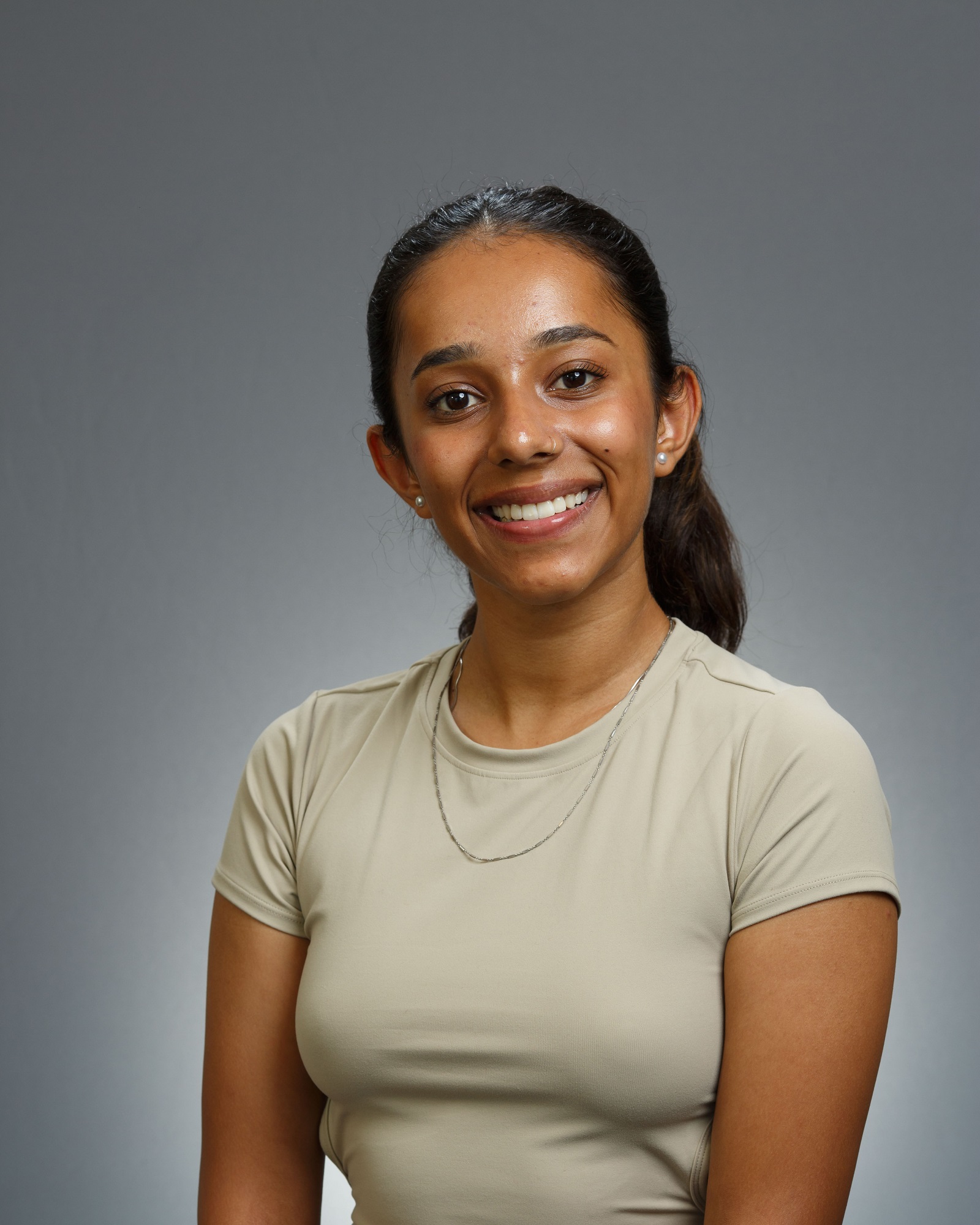 Building a Technoeconomic Analysis Model for Novel Electrochemical CO2 Conversion Technology
Awardee: Dhwani Bhatt, COE’27
Mentor: Magda Barecka, COE, Chemical Engineering
This project develops a comprehensive technoeconomic analysis (TEA) model to evaluate the commercial viability of the Barecka Lab’s breakthrough technology to electrochemically convert atmospheric CO2 to ethanol fuel. The reactor achieves high energy efficiency while operating on low purity CO2 streams, demonstrating significant competitive advantages over existing electrochemical conversion technologies. Using Excel-based modeling with sensitivity analysis, I will quantify production costs, identify key economic drivers, and provide data-drive recommendations for scale-up strategy. Expected outcomes include a user-friendly, adjustable TEA model, strategic report of assumptions, findings and recommendations, and actionable items to prioritize R&D investments for scale-up.
 Predicting MLB Draft Success: An XGBoost Model for NCAA Baseball Players
Awardee: Mateo Biggs, Khoury’27
Mentor: Eric Gerber, Khoury, Data Science
My project uses machine learning to predict which NCAA baseball players are most likely to be selected in the MLB Draft. I build a comprehensive dataset combining player statistics, team performance metrics, and historical draft outcomes, then train an XGBoost model to identify key predictors and determine a draft pick number. This work can help college athletes make informed decisions about turning professional and assist teams in evaluating undervalued talent. I plan to share my results through an open-source GitHub repository, presentations within the sports analytics community, and a submitted research paper to the Journal of Sports Analytics.
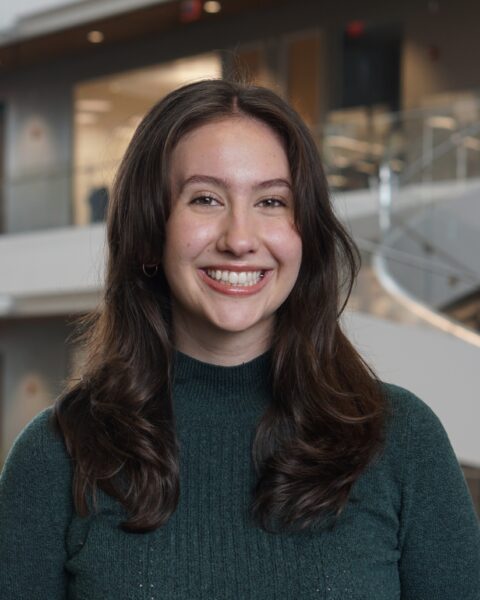 Understanding How Neutrophil Extracellular Traps (NETs) Drive Microglial Inflammation
Awardee: Ellie Bilsel, COS’26
Mentor: Emeka Okeke, COS, Biology
My project will investigate how neutrophils trigger inflammation by releasing web-like structures called neutrophil extracellular traps (NETs). During disease, neutrophils infiltrate the brain and release NETs, but it is unknown how this affects other cell types in the brain. I am specifically interested in how NETs influence microglia, the resident immune cells of the brain that sense and respond to inflammatory signals. I plan to use monocyte-derived microglia to understand how NETs alter the inflammatory profile of microglia. This project will further understanding of how neuro-immune interactions contribute to neuroinflammation and disease.
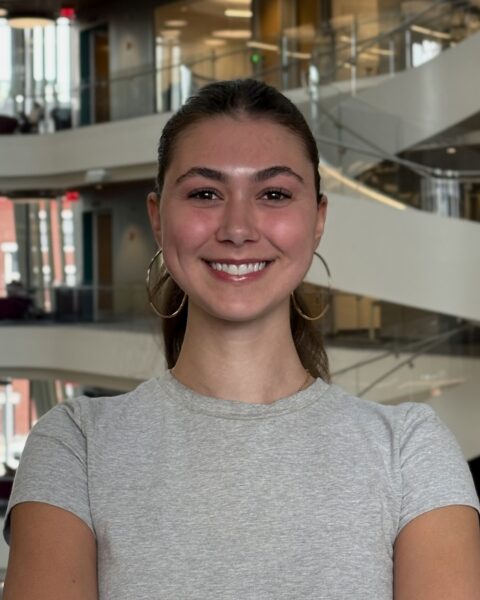 Quantum Many-Body Representation of a Thin-Film Ferromagnetic Using Second Quantization Techniques
Awardee: Bryce Bonilla, COS’27
Mentor: Gregory Fiete, COS, Physics
This project investigates how collective quantum excitations, known as magnon, arise in magnetic materials and determine their measurable properties. Using tools from quantum many-body physics, I will develop microscopic models that describe how spin waves propagate through ferromagnetic materials, moving beyond commonly used phenomenological descriptions. The project combines analytical theory with numerical simulations to compute magnon energy spectra and connect them to experimentally measured ferromagnetic resonance data. Results will be shared through a presentation at RISE, and in consultation with my mentor, may be prepared for external conference presentation or publication.
 A Mathematical Model of Stress Response in Basement Membranes
Awardee: Ansa Brew-Smith, COS’27
Mentor: Calina Copos, COS, Mathematics
In this project, we aim to mathematically model the mechanical properties of basement membranes, a matrix that surrounds most organs and tissues in the body. Although basement membranes are present in all animals, their mechanical properties and response to stress remain largely unknown. Informed by experiments, we will develop a computational simulation of the basement membrane of the spermatheca during oogenesis in C. elegans. Such an understanding of basement membranes will allow us to make predictions regarding this tissue’s mechanical integrity over time and, ultimately, inform therapeutics targeting aging and reproductive defects.
 Automated Determination of Femoral Angles and Cam Morphology from MRI Scans
Awardee: Tess Buckley, COE’27
Mentor: Sandra Shefelbine, COE, Mechanical & Industrial Engineering
This project aims to develop reliable, automated methods for assessing femoral neck-shaft angles, anteversion, and Cam morphology from MRI scans in adolescent female athletes. After collecting MRI data, I will generate reproducible 3D femur segmentations with MATLAB and evaluate several computational techniques, such as principal inertia axes, to determine an accurate femoral neck axis. Using this axis, I will calculate relevant angles and quantify Cam morphology in a 3D setting. This work addresses gaps in female musculoskeletal research and supports future prevention and treatment strategies. Findings will be validated, presented at RISE, and prepared for broader dissemination.
 Novel Antigen Discovery for Improved Typhi/Paratyphi Diagnostic Discrimination
Awardee: Daniel Carolan, COS’26
Mentor: Lesley Ricci, COS, Psychology
Enteric fever remains a significant public health challenge, particularly in endemic regions throughout Africa, because existing diagnostic tools often struggle to reliably distinguish between infections caused by Salmonella Typhi and Paratyphi. Current diagnostic antigens frequently fail in mild cases, leading to delayed treatment and an elevated risk of complications, including neuroinflammatory conditions. I will employ immunological methods including ELISAs and protein screening to identify a novel antigen capable of reliably differentiating between the two infections. The broader goal is to support a more accurate and accessible diagnostic tool for use in endemic regions. Findings will be presented at RISE.
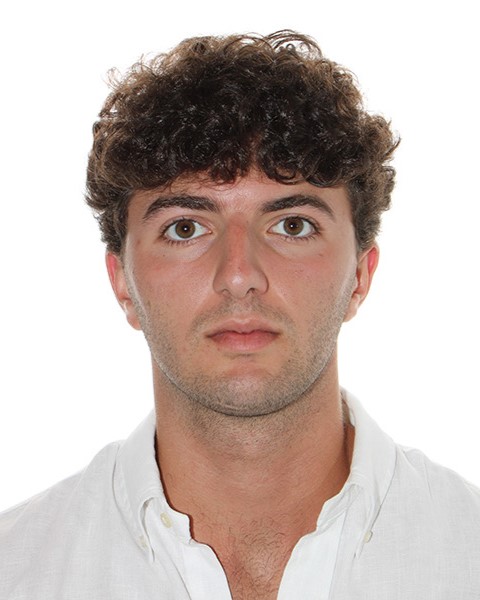 Tensile Biaxial Stretcher for Soft Polymer Characterization
Awardee: Massimo Cascario, COE’27
Mentor: Ruobing Bai, COE, Mechanical and Industrial Engineering
This project is focused on designing and building a biaxial stretcher to characterize the mechanical properties of soft polymers in a temperature-controlled environment. The device will simultaneously stretch a square polymer sample from all four sides. Using various sensors and devices, the machine will collect real-time data and process it to determine the mechanical properties of novel materials that might be underinvestigated or even uninvestigated. Investigating these materials is crucial for developing biomedical devices and soft robotics. The results will be shared at RISE and later published in a journal.
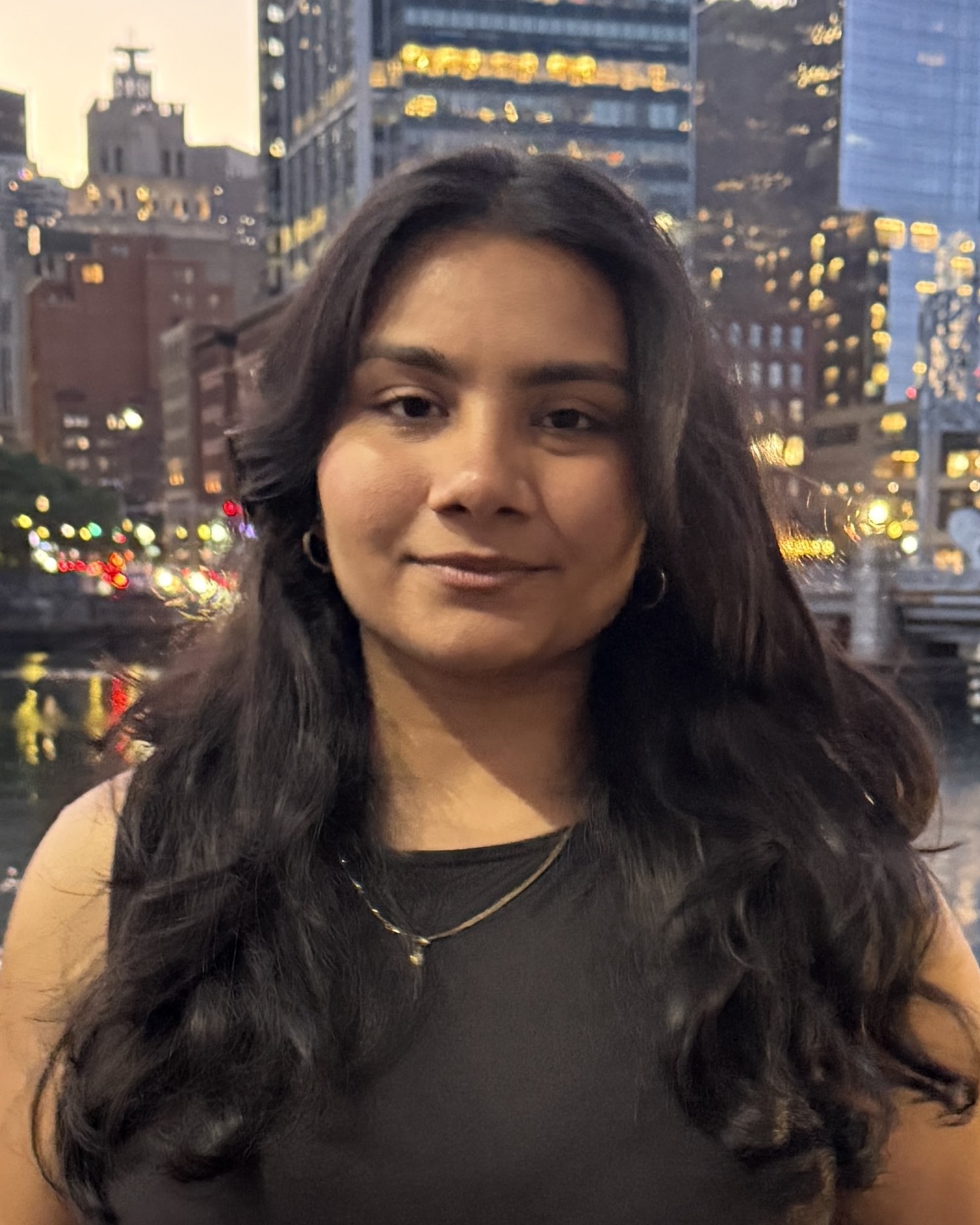 Dynamic Casual Modeling of Functional Connectivity in Real-Time fMRI Neurofeedback Studies
Awardee: Anushka Chakraborty, COS’26
Mentor: Susan Whitfield-Gabrieli, COS, Psychology
Mindfulness-based neurofeedback demonstrates therapeutic potential for treatment-resistant auditory hallucinations in schizophrenia by modulating the default mode network. However, the causal mechanisms underlying these connectivity changes remain unclear. This project employs dynamic causal modeling to test competing hypotheses about how neurofeedback training alters brain network dynamics: through enhanced prefrontal control, reduced self-referential processing, or bidirectional decoupling. Identifying these mechanisms will inform evidence-based optimization of neurofeedback interventions and has implications for treating depression, anxiety, and PTSD, which share similar network dysfunction. Findings will be disseminated through presentations at Northeastern’s RISE conference, and through manuscript submission to peer-reviewed journals.
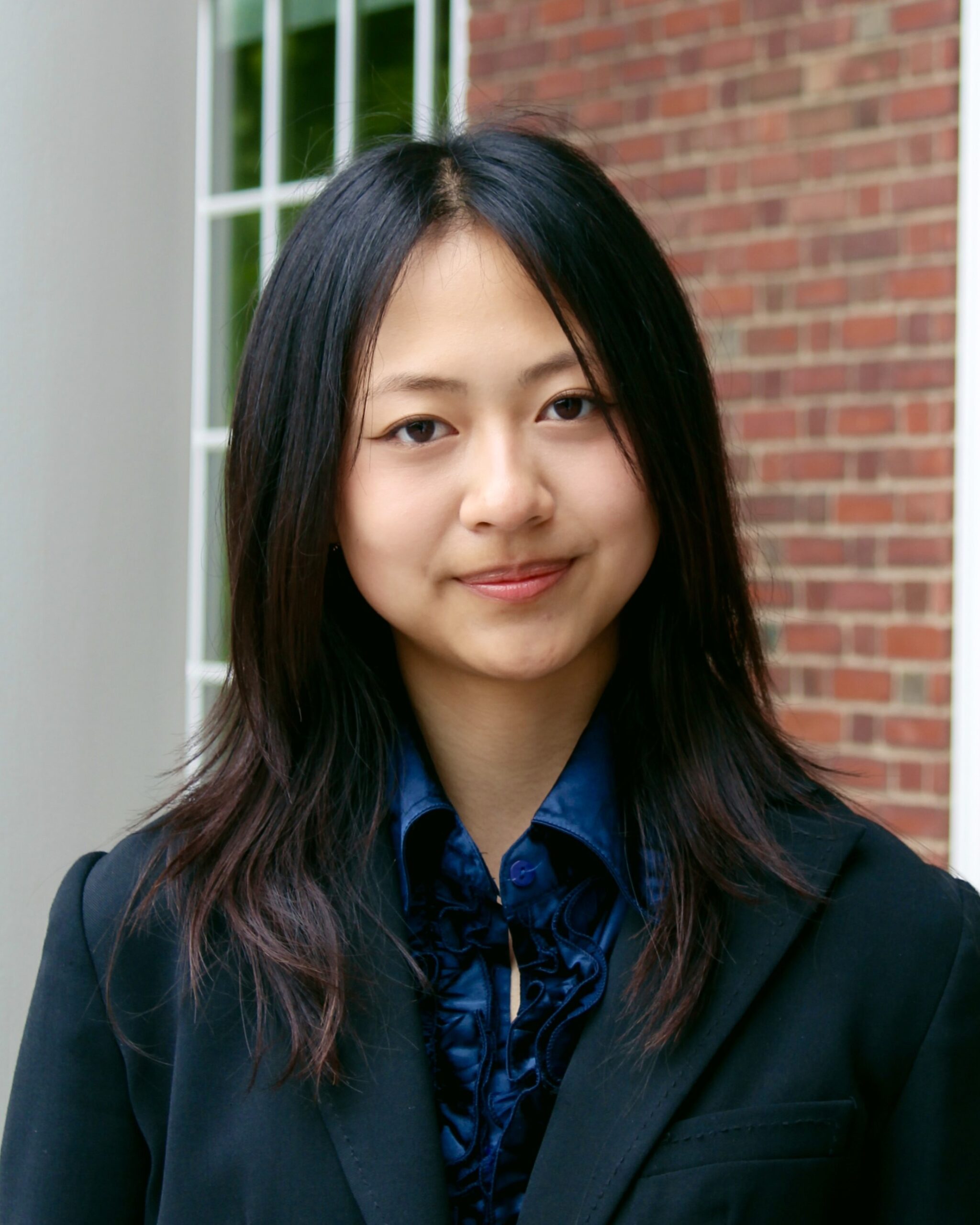 GPR19 as a Putative Therapeutic Target in Acute Myeloid Leukemia
Awardee: Clare Chi, COE’26
Mentor: Christa Haase, COE, Bioengineering
Current therapies for acute myeloid leukemia are unable to eliminate rare quiescent leukemia-initiating cells, which drives chemotherapy resistance and relapse. Previous work has identified novel endothelial-AML signaling axes through spatial transcriptomics, including that involving Gpr19. This project will verify its clinical relevance and provide critical insight into microenvironmental signals that promote expansion and relapse through a murine knockout model and patient-derived xenograft inhibition model. If Gpr19 inhibition results in improved survival and reduced leukemic burden, this confirms its potential as a therapeutic target. The results of this study will be presented at PEAK and submitted for journal publication following completion.
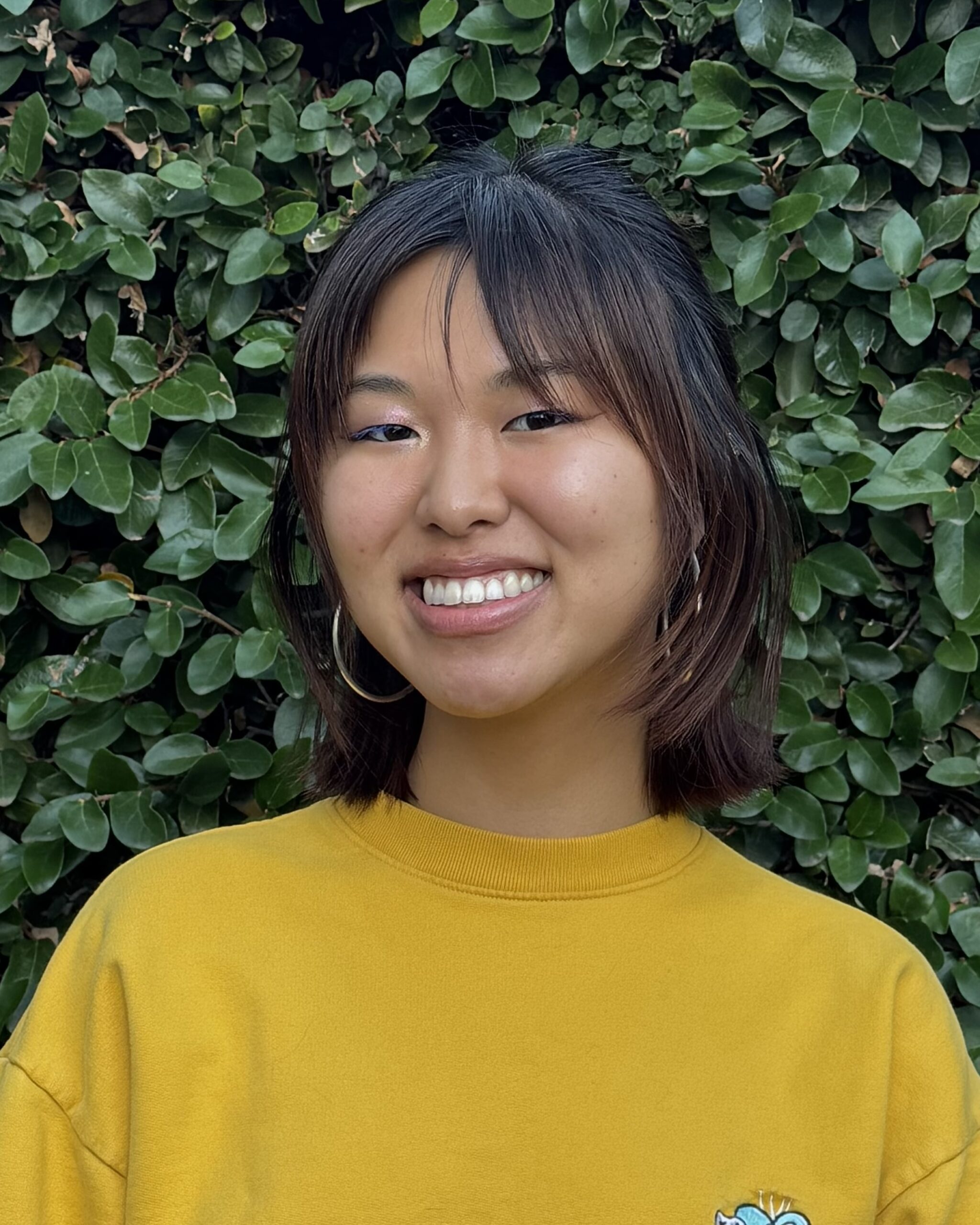 Developing a Sustainable Design for the Schwarz School of Tanzania
Awardee: Hannah Chung, CAMD’26
Mentor: Alpha Arsano, CAMD, Architecture
With Biclimatic Urban Buildings Lab, directed by professor Alpha Arsano, this project will explore the research, design, and development in the form of a master plan for a boarding school in a developing town in Tanzania. Architectural strategies will be determined by climate site data, local materiality, and sustainable design. The program of the masterplan will target proper accommodation for students from nursery to pre-university education levels, while creating a framework that incorporates itself into the developing town. Final representations include architectural drawings, urban-scale physical site models, and design toolkit for rural schools in tropical climates in the global south.
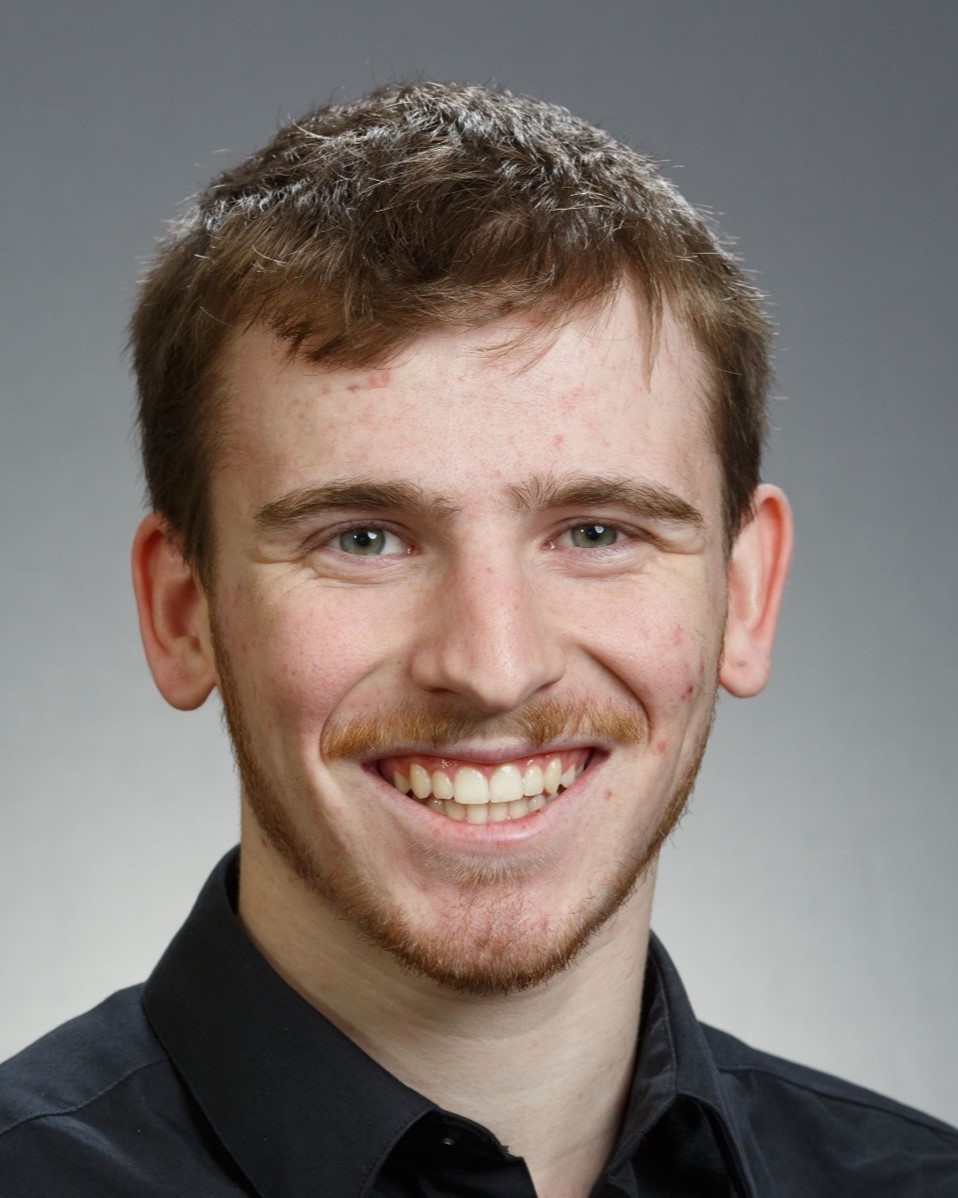 PFAS Effects on Drug Plasma Protein Binding with Hydrogen Deuterium Exchange Mass Spectrometry
Awardee: Zachary Cohen, COS’26
Mentor: Thomas Wales, COS, Chemistry & Chemical Biology
Per- and polyfluoroalkyl substances (PFAS) are a family of human-made chemicals that are widely used in consumer and industrial products and can take decades to break down. Nearly all people have measurable amounts of PFAS in their bloodstream. In human plasma, regulatory proteins sequester therapeutic drugs and regulate their concentration and distribution. PFAS bind to the same regulatory proteins and may disrupt this process. However, there is little molecular level information about this interaction. Here, we will use hydrogen deuterium exchange mass spectrometry (HDXMS) to characterize the effects of PFAS on plasma protein drug binding.
 Developing a Modular Cloning System for Clostridial Engineering
Awardee: Amy Crook, COE’27
Mentor: Benjamin Woolston, COE, Chemical Engineering
Clostridia are a class of anaerobic bacterium that are valuable for human health and biomanufacturing. However, there is a lack of contemporary modular genetic engineering tools for these bacteria, limiting research capabilities. This project aims to develop a modified JUMP vector (Joint Universal Modular Plasmids) system for Clostridia that can efficiently synthesize genetic constructs and is portable across Clostridial species. The system will be used to find new inducible promoters in Eubacterium limosum, a Clostridial species that can convert waste products like CO2 into useful biochemicals. Project results will be presented at the RISE Showcase and AIChE Annual Student Conference.
 Redescription of the Ninespot Chimaera and Identification of Related Species
Awardee: Lei Curtis, COS’26
Mentor: Katie Lotterhos, COS, Marine & Environment Sciences
Specimens preserved in natural history collections are crucial for taxonomic research due to their role in understanding data poor species such as chimaeras. In collaboration with the Harvard Museum of Comparative Zoology and Smithsonian Institution National Museum of Natural History, I will identify chimaeras preserved in the MCZ using anatomy-based keys and evaluate features used to identify species. To develop resources for specimen identification, I will prepare visual representations of important diagnostic features for each species. Lastly, I will develop materials for a taxonomic redescription of the poorly known Ninespot Chimaera Hydrolagus barbouri.
 Plasmonic Antenna Engineering for Enhanced Superconducting Nanowire Photon Detection
Awardee: Faith Degawa, COE’26
Mentor: Alberto De la Torre, COS, Physics
This project investigates how nanoscale optical antennas can improve the sensitivity of superconducting detectors that measure single photons, a capability that is essential for quantum technologies and emerging forms of high-resolution spectroscopy. Through electromagnetic simulations, I analyze how antenna geometry shapes light absorption in a nanowire and identify designs that better concentrate optical energy at near-infrared wavelengths. These insights will support the development of detectors that enable more precise spectral measurements and more efficient quantum systems. I plan to share the outcomes of this work through research presentations and written reports that help advance understanding in quantum photonics.
 Reconstructing Particles in a Future Muon Collider
Awardee: Sarah Douglass, COE’27
Mentor: Johan Bonilla Castro, COS, Physics
The LHC is the largest, most powerful particle collider ever built. While it will be used to study the energy frontier for years to come, it will not bring about the significant increase in collision energy required to gain a new understanding of the laws of Nature. The idea of a muon collider in the multi-TeV regime could provide fresh and exciting insights. By adapting existing LHC software to comparable muon collider hardware, it may be possible to break through challenges surrounding the noisy backgrounds that muon decays will create and establish an organized, open-source framework for future developments.
 Upcycling Walnut Shell Biomass into Cyclohexanone: A Renewable Pathway to Sustainable Nylon 6
Awardee: Katryna Dube, COE’27
Mentor: Courtney Pfluger, COE, Chemical Engineering
This project explores a sustainable way to make nylon, a widely used material, by converting discarded walnut shells into cyclohexanone, one of nylon’s key ingredients. Current nylon production relies on petroleum and produces significant greenhouse gas emissions. Developing a new bio-based method to make cyclohexanone offers a way to reduce environmental impact while putting agricultural waste to productive use. I will test and optimize a three-step process that produces cyclohexanone from walnut shells. Success will be evaluated by measuring product yield and purity. I plan to share my results at RISE, prepare a publication, and pursue a patent.
 Casually Formal: Ergonomic EDSLs for Teaching Computational Reasoning
Awardee: Owen Duckham, Khoury’27
Mentor: Ferdinand Vesely, Khoury, Computer Science
Explores designing a unified embedded language where students apply multiple correctness techniques—unit testing, property-based testing, and formal verification—to the same programs they write. Current approaches teach these as disconnected activities: students program in one language, then prove abstract properties in another, rarely connecting the two. This creates a false separation where proofs feel optional and unmotivated. By embedding all three reasoning modes within a single language in the Lean proof assistant, this project lets students progressively strengthen guarantees about their own code, understanding when testing suffices and when formal proof becomes necessary. Results will be shared as open-source teaching materials.
 Computational Analysis and Experimental Validation of UvrB Mutations in DNA Repair
Awardee: Kristina Duong, COS’27
Mentor: Penny Beuning, COS, Biology
DNA damage from UV radiation, chemicals, and biological errors threatens cell survival. Bacteria rely on UvrB protein in Nucleotide Excision Repair to bridge recognition and marking of damaged DNA sites. My project identifies which UvrB residues are critical for function by combining computational tools with nitrofurazone assays. Building on seven mutations from my ROUTES co-op, I will determine which tools accurately predict mutation effects, then use them to test new critical residues. This demonstrates how computational screening can guide experiments and create a workflow for protein research, potentially informing antibiotic development. I will present findings at RISE and U-FIRST symposia.
 FlexRow Rowing Prosthetic
Awardee: Marlena Eichelroth, COE’26
Mentor: Daniel Grindle, COE, Bioengineering
FlexRow addresses a critical gap in adaptive rowing: no prosthetic ankle accommodates the full range of motion required for rowing. During Capstone I and II, I helped design a prosthetic ankle/foot system featuring a joint that replicates natural ankle movement. Testing with a local para-rower revealed major improvements in comfort and stroke power, but also identified shortcomings including the need for a quick-release safety mechanism. This fellowship allows me to refine the design beyond capstone’s time constraints, addressing biomechanical alignment, optimizing materials for manufacturing, and improving the walking/rowing modes to create a safer, more effective prosthetic for adaptive rowers.
 Provably Safe Interoperability between Swift and C
Awardee: Zachary Eisbach, Khoury’26
Mentor: Amal Ahmed, Khoury, Computer Science
Memory safety bugs cause most vulnerabilities in production code. Modern memory-safe programming languages like Swift were designed to eliminate this class of bugs by construction. However, even software systems written in memory-safe languages must still interact with low-level code written in unsafe languages like C, potentially reintroducing vulnerabilities. This project aims to establish the first formal proof that Swift is memory safe, even in the presence of potentially unsafe C code. To do so, I will build a mathematical model of Swift and prove that its compiler produces specification-compliant code. Results will be submitted to POPL 2027.
 Design, Fabrication, and Testing of Superconducting Parametric Isolators
Awardee: Megan Farrington, COE’27
Mentor: Marco Colangelo, COE, Electrical and Computer Engineering
Quantum computers are exciting emerging technologies, but scalable implementation requires novel signal processing techniques. One necessary component is an isolator, which would shield sensitive qubits from noise while allowing readout of computational results. In this project, I will design a superconducting parametric isolator compatible with cryogenic environments, allowing signal to pass only in one direction. I will design this isolator based on the physics of loaded superconducting waveguides, simulate it to ensure it has wide operating bandwidth and minimal gain ripple, fabricate it using nanofabrication techniques, test it using an FPGA platform, and share my results through publication and presentations.
 Single-Atom Catalyst Coordination Tuning for Carbon Reduction Towards Methane Production
Awardee: Matthew Fei, COE’26
Mentor: Sanjeev Mukerjee, COS, Chemistry & Chemical Biology
Given our current trajectory, a lot of research and effort must still be conducted to innovate new methods of reducing our carbon footprint. Single-atom catalysts have gained much attention for both their catalytic properties and feasibility, and have been implemented in processes that convert carbon dioxide into useful products such as fuels and manufacturing chemicals. That said, the tuning control of the dopants is not fully understood, so this project aims to elucidate methods of varying dopant species when fabricating single-atom catalysts and evaluate if they improve the performance of carbon reduction over traditional single-atom catalysts.
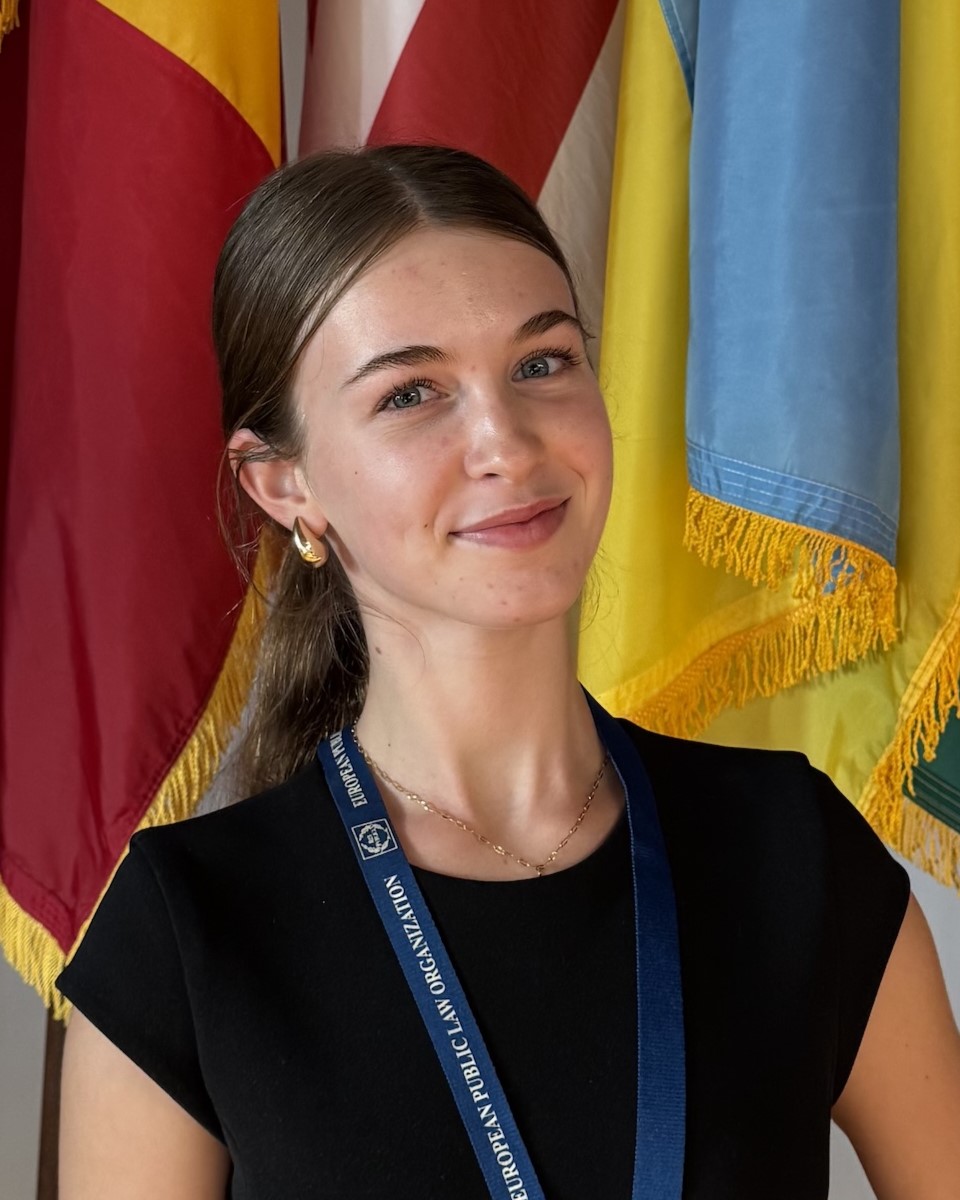 AI Advantages and Disadvantages in Language Learning
Awardee: Taylor Fox, CSSH’27
Mentor: Boris Yelin, CSSH, World Languages Center
As I see more students, academics, and the broader population incorporate AI into their daily lives, I became interested in seeing how AI could give me an edge on learning my languages. This project aims to explore students’ satisfaction and language learning experiences with both in-person instruction and AI powered language platforms. I hope to use snowball sampling, surveys, and interviews to form a comprehensive analysis. The expected outcomes are that students and language instructors will be able to assess the advantages and disadvantages of AI learning versus in-person instruction. I plan to present my work at RISE.
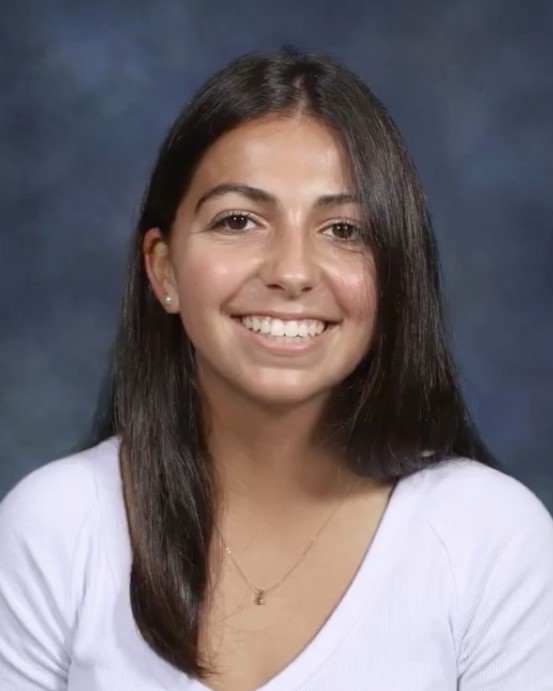 Muscle Responses to Varying Amplitude Perturbations to the Arm in Standing Reach to Grasp
Awardee: Isabella Frenzilli, COS’26
Mentor: Eugene Tunik, Bouvé, Physical Therapy, Movement, Rehabilitation Science
This project examines how the body maintains balance when reaching for an object while standing when the arm’s trajectory is unexpectedly disturbed. Using electromyography to record muscle activity in the arm, trunk, and legs, we plan to examine responses to increasing mechanical perturbation amplitude to the arm. This study focuses on the timing and coordination of these muscle responses to understand how the nervous system shifts from arm-based to whole-body strategies to maintain stability when physically perturbed. The results will be shared through a final presentation and can improve others’ understanding of movement and balance to improve rehabilitation approaches.
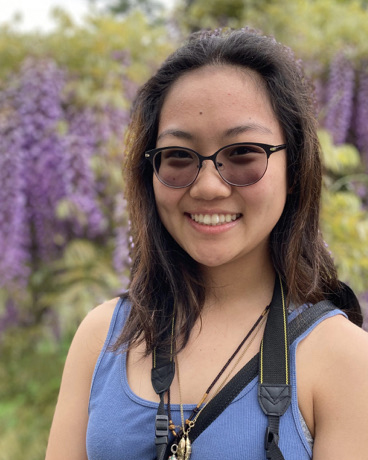 Computationally Driven Diffractive UV–Visible Spectroscopy System
Awardee: JiaJia Fu, COE’26
Mentor: Taskin Padir, COE, Electrical and Computer Engineering
This project develops a computationally driven, modular UV–Visible spectrometry system for astrobiological life detection on a Mars-analog rover. Using broadband white and UV LEDs, a diffraction grating, and camera-based detection, the system generates full absorbance spectra from soil samples rather than single-wavelength measurements. Custom software converts pixel-resolved spectra into wavelength data and applies machine learning to identify biomolecules such as proteins, DNA, chlorophyll, and organic carbon. The integrated mechanical, biochemical, and computational platform enables rapid, in situ analysis of potential biosignatures during planetary exploration missions.
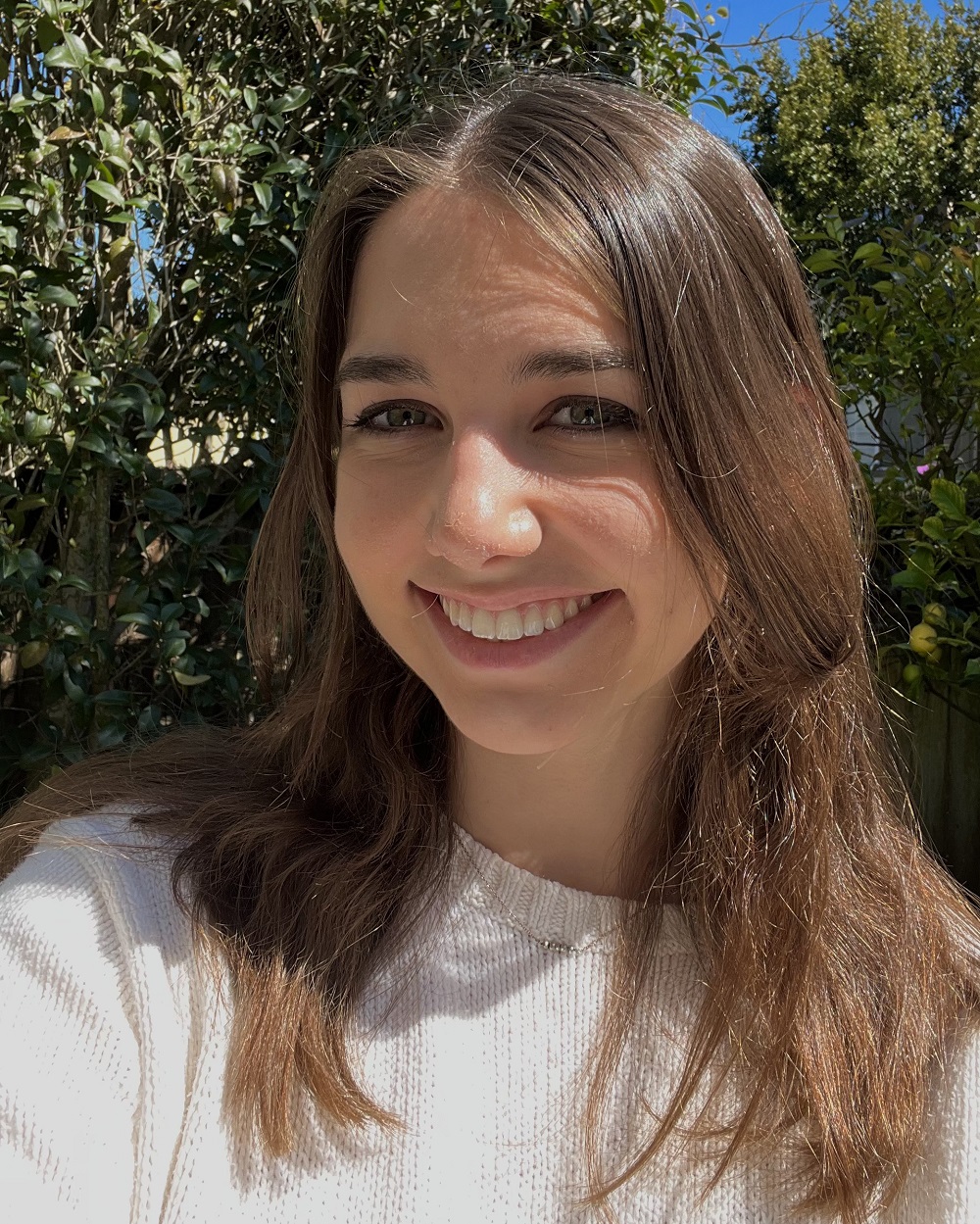 Elucidation of Structural Changes in the HRas G12S Mutant
Awardee: Annelise Fuhrer, COS’26
Mentor: Carla Mattos, COS, Chemistry & Chemical Biology
G12X mutations in the Ras gene are a well-studied and known to cause a variety of malignancies. However, the G12S mutation in the HRas isoform is poorly-characterized despite its strong association with Costello syndrome, a rare genetic disorder that causes a range of significant delays in physical and intellectual development. Therefore, the proposed project herein aims to produce, purify, and crystallize both monomeric and a cross-linked dimeric construct of HRas-G12S to characterize its structural differences compared to the wild-type, gain insight to how the mutation causes dysfunction, and share results at Northeastern’s annual RISE Expo.
 Enzymatic Degradation of 3D-Printed Polycaprolactone to Inform the Use of Non-persistent Plastics
Awardee: Kennedy Gallagher, COE’26
Mentor: Bryan James, COE, Chemical Engineering
Plastic pollution persists partly because many “biodegradable” materials degrade slowly or unpredictably in real environments. This project investigates how biodegradable plastics break down under controlled, enzyme-accelerated conditions to support more sustainable material and product design. Using 3D-printed polycaprolactone (PCL), the research examines how processing and shape influence the enzymatic degradation rate of PCL. By identifying predictable structure-degradation relationships, this work aims to inform responsible use of biodegradable plastics. Results will be shared through Northeastern’s RISE Expo.
 Using Smart Glasses for Medical Information Transmission
Awardee: Matthew Garcia, COE’27
Mentor: Mallesham Dasari, COE, Electrical and Computer Engineering
This project seeks to automate the process of transmitting information about a patient through the use of smart glasses integrated with an AI application. A doctor will use the smart glasses will collect audio and visual data about the patient, which will then be sent to a server for AI processing. Within this, an LLM fine-tuned with medical records will generate a report about the patient, which will be transmitted to another doctor or nurse. A user study will be conducted to collect feedback and iterate upon this system. This work will be shared in RISE and external conferences.
 Chronotype Effects on Non-Native Speech Category Learning and Auditory Discrimination: An EEG study
Awardee: Elda Gobena, COS’26
Mentor: Zhenghan Qi, COS, Psychology
The relationship between language learning and chronotype, an individual’s natural preference for activity at different times of day, remains understudied, particularly regarding memory reactivation and reconsolidation. Preliminary behavioral analysis revealed that Evening types outperformed Morning and Neutral participants in behavioral speech sound learning, assessed through training on Hindi dental (/̪d/) versus retroflex (/ɖ/) contrasts. Next steps include analyzing EEG data to examine how chronotype relates to auditory perceptual sensitivity for speech acoustics and phonemic differences. Speech-sound representations will be assessed using Mismatch Negativity and Late Discriminative Negativity, which reflect automatic neural responses elicited by auditory surprisal.
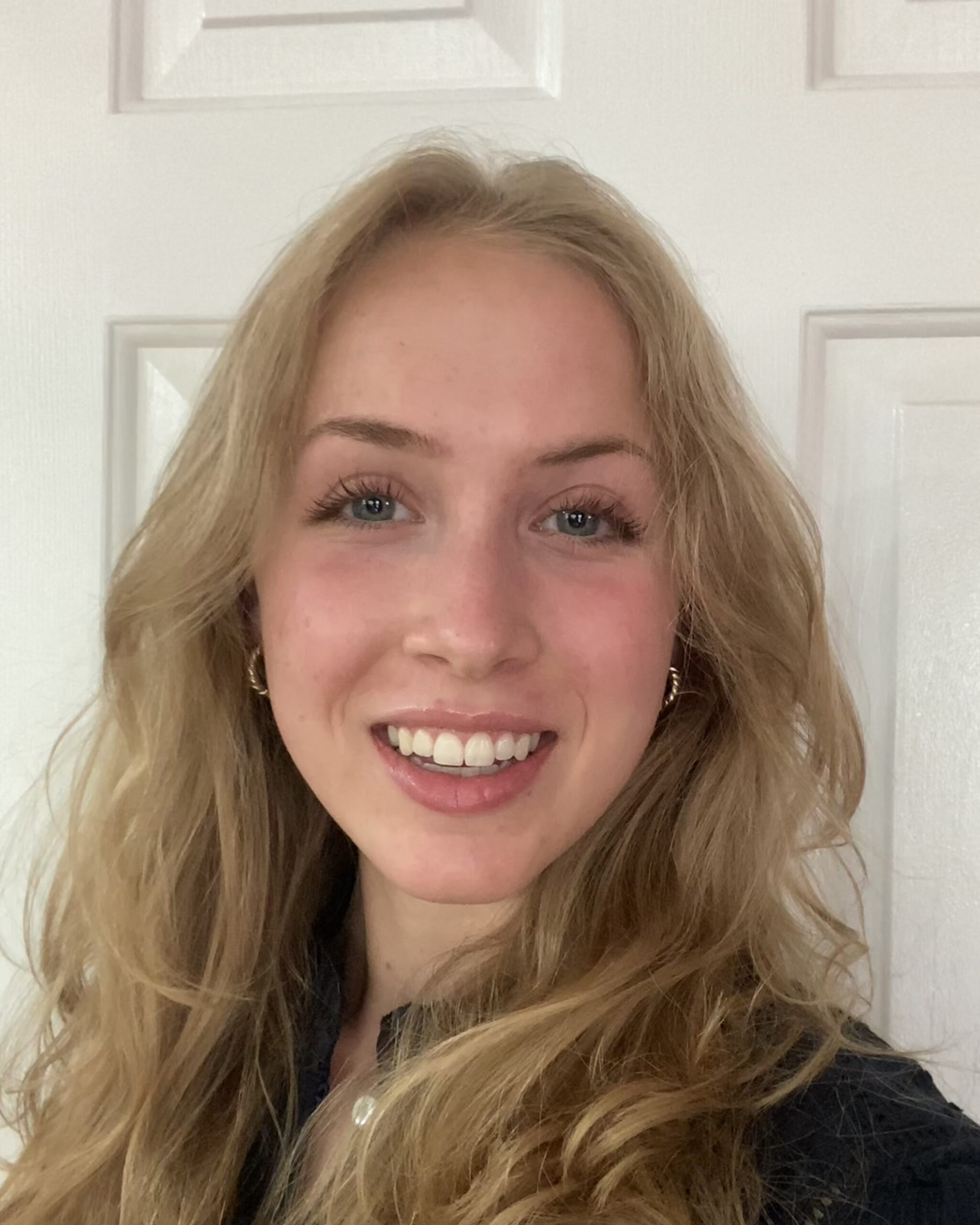 A Neuroscience Lens on Institutional Trust Among Women at Mass and Cass
Awardee: Ella Griswold, COS’26
Mentor: Katherine Hazen, CSSH, Criminology & Criminal Justice
To apply neuroscience understandings to social phenomena observed in the criminal justice field, this project involved interviewing the women living on the intersection of Massachusetts Avenue and Melnea Cass Boulevard supported by Boston’s Human Exploitation Advocacy Team with Northeastern University’s Public Evaluation Lab and applying interdisciplinary thematic analysis to explore relationships between institutional involvement and trauma. The findings will support informed interventions for people impacted by illicit substance use, housing insecurity, and human trafficking. Results will be disseminated through a formal report and visual poster to reach a diverse audience spanning academic disciplines, communities, and professions.
 Engineering Hybrid Exosomes for Osteoarthritis Gene Therapy
Awardee: Ella Hannes, COS’28
Mentor: Ambika Bajpayee, COE, Bioengineering
Osteoarthritis affects 500 million people worldwide with no cure. Current treatments can’t penetrate the cartilage’s negatively charged barrier to reach damaged tissue. My project will engineer exosomes, which are tiny, naturally occurring carriers that travel between cells, to deliver gene therapy past this barrier. I’ll test whether these carriers effectively deliver genes to cells, remain stable during storage, and work consistently across different sources. These experiments will determine if hybrid exosomes are viable for clinical translation. Results will be presented at Northeastern’s RISE Expo 2026 and contribute to a future publication advancing osteoarthritis treatment development.
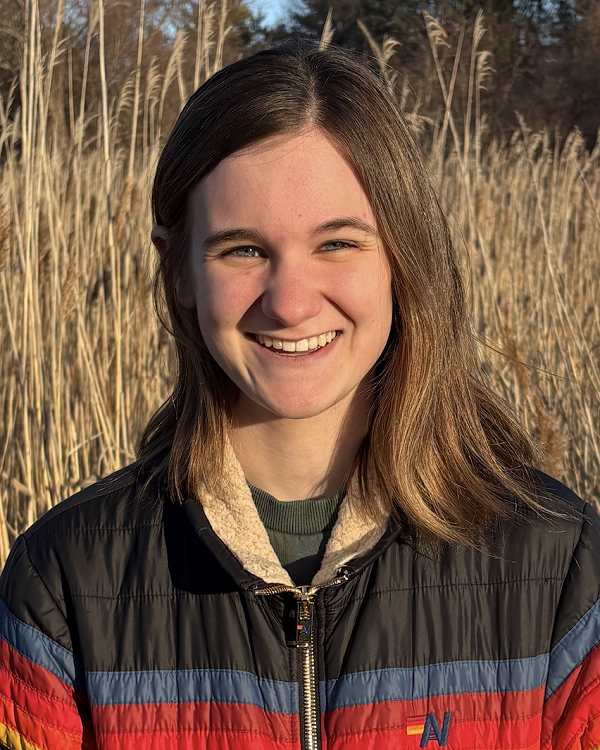 Investigating the Use of Assisted Gene Flow in Salt Marsh Restoration
Awardee: Emma Heimgartner, COS’26
Mentor: Randall Hughes, COS, Marine & Environment Sciences
Conservation efforts to restore salt marshes that have been damaged by factors such as climate change often involve planting foundation species such as the marsh grass Spartina alterniflora . Ensuring the long-term success of restored populations is critical, and one proposed method of increasing their resilience against rising temperatures is assisted gene flow. To test assisted gene flow, where one population gives advantageous traits to another, Northern and Southern sources of Spartina alterniflora were placed in mixed plots under different warming conditions. The results of this research will be presented in a RISE 2026 poster and in a collaborative manuscript.
 Rebuilding Signals of Healing: Conductive Hydrogels for Tissue Repair
Awardee: Juliet Herrick, COE’27
Mentor: Rebecca Willits, COE, Chemical Engineering
This project explores new materials that support tissue repair after stroke, heart attack, or nerve injury. When these tissues are damaged, remaining cells often lack the structure and signals needed to rebuild. Soft, tissue-derived hydrogels will be created to provide an environment for cells to grow. By incorporating graphene oxide, a material capable of carrying electrical signals, the project will test whether these gels better replicate the natural conditions of the brain, heart, and nerves. The aim is to generate early evidence for more realistic materials that could support future regenerative therapies, which will be shared through a RISE presentation.
 Assessment of Side Effects in the Central Nervous System of Drugs through the Neuro-Behavioral Assay
Awardee: Ari Hong, COS’27
Mentor: Gunther Zupanc, COS, Biology
This project investigates the impact of diphenhydramine, a widely used antihistamine, on central nervous system function, despite its initial development for non-neurological purposes. Using a behavioral assay with Apteronotus leptorhynchus, I will track changes in locomotor activity, electric organ discharge frequency, and communication chirps, and measure how these signals recover over several hours. Testing multiple concentrations will allow me to identify subtle, dose-dependent effects that conventional screening often misses. By clarifying how a common drug affects neural activity, this work aims to enhance the early detection of unintended side effects.
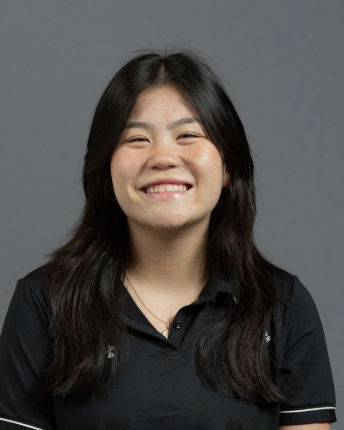 Implications of Entangled Thermal Systems on Wormhole Geometry
Awardee: Bella Hsia, COS’28
Mentor: Camille Gomez-Laberge, COS, Physics
This project investigates how quantum entanglement shapes astrophysical phenomena, focusing on EPR correlations and their connection to gravitational structures. Using the ER=EPR framework, which relates entangled states to wormhole geometries, I will study how varying entanglement levels in thermal many-body systems influence wormhole connectivity. Drawing on quantum information and thermodynamic methods, the research aims to clarify how microscopic entanglement scales to black-hole physics and spacetime structure. The final outcome of this work will be a research paper that presents these results in a form accessible to advanced undergraduates, with the goal of submitting it to conferences or presenting it publicly.
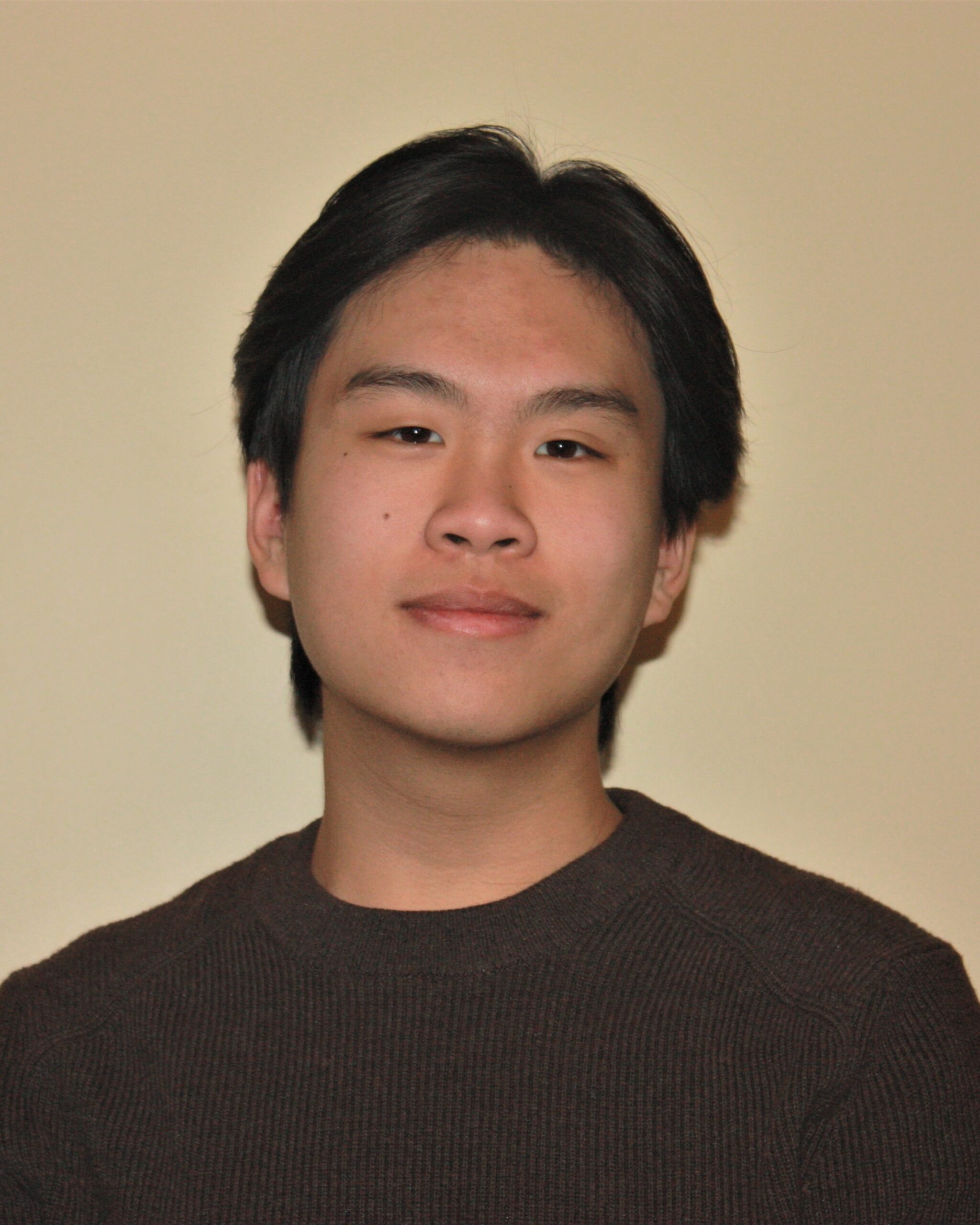 Evaluation of Lesion Correction Methods in Post-stroke Functional Near-Infrared Spectroscopy Data
Awardee: Keith Huang, Bouvé’27
Mentor: Erin Meier, Bouvé, Communication Sciences & Disorders
Functional near-infrared spectroscopy (fNIRS) is a growing neuroimaging modality due to its low cost, high sampling rate, and portability. This allows for naturalistic paradigms and wider accessibility to neuroimaging compared to methods such as fMRI. However, unlike fMRI, fNIRS does not include anatomical information, and post-stroke cortical lesions have been shown to lead to significantly degraded signal quality, as well as spurious signal detection over lesioned areas. This project seeks to improve fNIRS analytic pipelines in post-stroke datasets by comparing various lesion correction techniques, including 1) removal of channels overlying stroke lesions and 2) incorporating subject-specific anatomical reconstruction.
 Elucidating the Effects of Chlorogenic Acid on Amyloid-beta Treated SH-SY5Y Cells
Awardee: Madison Jastrab, COS’26
Mentor: Owen Skinner, COS, Chemistry & Chemical Biology
This project investigates whether chlorogenic acid, a naturally occurring dietary compound, can protect cells from mitochondrial stress associated with Alzheimer’s disease. Using a cell-based model, I will measure how toxic amyloid-beta disrupts cellular metabolism and the extent to which chlorogenic acid can reverse these effects. Liquid chromatography-mass spectrometry (LC-MS) and other chemical analysis techniques will be used to identify key metabolic pathways involved. This work aims to clarify how chlorogenic acid and related compounds influence cellular stress in neurodegeneration, with results shared through presentations at Northeastern and national conferences.
 The Effects of K-Ras Germline Mutations on Oncogenic K-Ras Activity
Awardee: Elsa Joseph, COS’26
Mentor: Lindsay Mehrmanesh, COS, Biology
KRAS is one of the most frequently altered oncogenes in human cancer, playing a central role in tumor initiation and progression. Previous research focuses primarily on mutations acquired during tumor development, but inherited genetic variants may also influence how cancers behave. This project, conducted in the Haigis Lab, investigates how inherited KRAS variants affect oncogenesis. Using engineered cell models, the study will measure cancer cell growth, pathway signaling, and drug response. Understanding this relationship could explain why KRAS-driven cancers vary between patients and inform treatment approaches. Findings will be presented at Northeastern’s RISE and contribute to lab publications.
 Entropy and Complexity Features for Machine Learning Pain Classification
Awardee: Vignan Kamarthi, Khoury’27
Mentor: Srinivasan Radhakrishnan, COE, Mechanical & Industrial Engineering
Current pain assessment relies on patients rating their pain from 1 to 10, but this approach fails people who cannot communicate effectively, including but not limited to unconscious patients, young children, and individuals with cognitive impairments. This research develops machine learning systems that classify pain intensity using physiological signals like heart rate and skin conductance, providing objective measurements instead of subjective reports. Building on published work achieving perfect accuracy in detecting pain, this project advances to classifying pain severity levels using entropy- and complexity-based features, with potential applications for real-time pain monitoring in clinical settings.
 The Impact of Ultra-processed Food Consumption on Adolescent Diet Quality and Blood Pressure
Awardee: Kimberly Kanchan, Bouvé’27
Mentor: Idia Thurston, Bouvé, Applied Psychology
This project explores how adolescents’ consumption of ultra-processed foods influences overall health. Using existing nutrition and health data from Black adolescents, I will conduct a secondary data analysis to examine intake patterns of added sugar, sodium, saturated fat, and fiber to evaluate how these dietary behaviors relate to diet quality, as measured by the Healthy Eating Index, and blood pressure. Understanding these relationships can help identify early nutritional risk factors that contribute to long-term health disparities. I will present my findings through a research poster highlighting implications for adolescent nutrition and cardiovascular health.
 State Immigrant-Related Policy and Physical Health Morbidity among Latino Residents
Awardee: Devin Kantu, Bouvé’26
Mentor: Danielle Crookes, Bouvé, Sociology and Anthropology
Numerous studies assess the relationship between immigrant-related policy and mental health of Latino US residents, however few examine their effects on physical health. This cross-sectional analysis explores the associations between state immigrant-related policy and physical health among Latino residents. Further, it assesses disparities based on primary language, education level, and sexuality. Multivariable regression is employed to estimate these relationships, incorporating individual- and state-level covariates. Through its poster and manuscript, this project elucidates how ‘color-blind’ immigration policy impacts the health of Latinos. Findings can serve public health researchers, community organizations, policy advocate groups, and legislators.
 Neuron-Specific Modulation of Neural Activity in C. elegans
Awardee: Ananya Katyal, COS’28
Mentor: Samuel Chung, COE, Bioengineering
In the model organism C. elegans, neuronal activity is known to influence axon regeneration in response to injury. Further studying this relationship under distinct molecular regeneration pathways requires the development of a reliable tool to manipulate cell activity in individual neurons. This project aims to assess a system using histamine and the transgene HisCl to confirm effective and titratable control of neuron activity by measuring corresponding behavioral changes. Once established, this system can be applied to activity-dependent neuroregeneration studies. This work will be presented at the 2026 RISE Conference and WREN Summit.
 Discovering the Limits of Extreme Longevity in C. elegans
Awardee: Avery Kelly, COS’27
Mentor: Javier Apfeld, COS, Biology
A wild-type C. elegans’s median lifespan is 18 days, but can be extended 10-300% through genetic, nutritional, pharmacological, and environmental interventions. I will investigate the effects of these interventions on a long-lived mutant, age-1(mg44), which has a median lifespan of ~180 days. I will record the nematode’s lifespan over time and discover if any of these interventions extend the lifespan of age-1(mg44), or if they harm the lifespan. I hope to present my results in a poster or publication, concluding whether the upper limit of longevity has been reached or if I can shatter the ceiling of extreme longevity.
 Socioeconomic Factors as Modifiers of the Relationship between Zygosity and Neonatal Outcomes
Awardee: Jacqueline Kieran, Bouvé’26
Mentor: Samantha Garbers, Bouvé, Health Sciences
This project will examine whether socioeconomic disadvantage is associated with worse neonatal outcomes among twin pregnancies, and if this association is stronger for higher-risk twin types (identical) delivered at BIDMC. Using a broad clinical dataset from 2021-2025, we will look at how outcomes such as preterm birth, NICU admission, and birthweight differ from socioeconomic disparities across twin types. From this data, we will identify whether inequities exist and findings will help clarify how structural inequities shape perinatal risk in multiple gestation pregnancies. Results will be shared through Northeastern’s RISE showcase and potentially at the Society for Maternal Fetal Medicine conference.
 Cell Penetrating Domains Secreted by E. Coli
Awardee: Darren Kim, COS’26
Mentor: Neel Joshi, COS, Chemistry & Chemical Biology
Protein-based medicines are difficult to deliver orally because the gut lining blocks large molecules, forcing many therapies to be injected. This project explores a new oral delivery strategy by engineering probiotic E. coli to secrete proteins that naturally cross intestinal cells through a process called transcytosis. We tested two cell-penetrating domains fused to fluorescent markers and showed efficient protein secretion without impairing bacterial growth. Using a lab-based gut cell model, we evaluated protein transport across intestinal barriers. This work lays the foundation for future oral delivery of anti-inflammatory therapies for gastrointestinal disease.
 The Influence of Extracellular Vesicles on Esophageal Cancer Cell Metabolism
Awardee: Anelise Kim, COS’27
Mentor: Anne van de Ven-Moloney, COS, Physics
Esophageal cancer relies on altered cell metabolism to grow and resist therapy. This project investigates whether extracellular vesicles; small particles released by all cells including cancerous cells; contribute to these metabolic changes. Using patient-derived tumor organoids, I will isolate and analyze vesicles from different esophageal cancer subtypes and test how they affect metabolism in recipient cells. I will also examine how the transcription factor p63 shapes vesicle content. Findings will be presented at Northeastern’s RISE Expo 2026 as well as potential external conferences.
 The Neural Time Course of Attentional Control: A Validation Study
Awardee: Ishani Kunadharaju, COS’26
Mentor: Jaap Munneke, COS, Psychology
Electroencephalography (EEG) is a neuroimaging technique that measures the summation of electrical impulses across the brain. EEG is commonly used in labs due to its cost effectiveness, straightforward implementation, and high temporal resolution. However, EEG is mostly confined to the perimeters of a lab, making it impractical for certain clinical populations to access an EEG machine for testing or studies. This project has two aims: to validate a novel, portable EEG data acquisition method and compare it the traditional system, and to gather data on attentional control through cognitive assessments.
 Speech Treadmill Exercise Program
Awardee: Reyna Layous, COS’27
Mentor: Jonathan Peelle, COS, Biology
This project explores whether aerobic fitness supports better understanding of speech in noisy environments. Participants will complete speech in noise tasks and cognitive assessments, then complete a VO₂ treadmill test to measure fitness levels. Their performance will be analyzed using statistical tools such as R and SPSS to determine how fitness relates to speech in noise perception and cognitive effort. Understanding these patterns can help inform strategies that support communication as people age. The results of this study will be shared at RISE and other campus events to reach both scientific and public audiences.
 Reversibility and Relaxation of Soft Particles in a Dynamic 2D System
Awardee: Kenny Liang, COS’26
Mentor: Sara Hashmi, COE, Chemical Engineering
This project will observe the collective motion of soft particles packed in a 2D tray system, which pushes them through an arrangement of pegs as they rearrange. After the tray stops moving, particles can continue to rearrange and relax. We want to see how the relaxation time and reversibility depends on different parameters of the system using a video correlation function in MATLAB. We anticipated observing the relaxation or reversibility times change in the data analysis plots, and if the relaxation times and the steady state times are related. I plan to share my results at the RISE conference.
 Silencing TWIST1: A Targeted shRNA Approach to Disrupt Cancer Metastasis
Awardee: Sagunya Malhotra, COE’27
Mentor: Mark Grabiner, COS, Biology
Most cancers become life-threatening when cells gain the ability to spread throughout the body. TWIST1 is a key gene that drives this transition. This project will design and clone a plasmid-based shRNA to silence TWIST1 in 4T1 breast cancer cells, verify the construct by sequencing, deliver it via lipofection, and measure reductions in TWIST1 RNA, protein, and cell behavior. Demonstrating successful knockdown would provide early evidence for targeted gene-silencing approaches that directly limit cancer spread. Results will be shared through RISE, potential undergraduate publication, and presentations, contributing to future strategies aimed at developing more precise and less toxic cancer treatments.
 Evaluating the Effects of Compressive Stress on Glioblastoma Stem-Like Cells
Awardee: Briana Mallouh, COS’26
Mentor: Matthias Schlichting, COS, Biology
This research project aims to detemine the impact of mechanical stress on glioblastoma stem-like cells, which model agressive brain tumors. To achieve this, glioblastoma cells will be exposed to controlled compressive forces for varying durations and evaluated afterwards using fluorescence-activated cell sorting and flow cytometry to assess changes in cell growth. Results of this study could be important for the development of therapeutics against this invasive cancer. We hypothesize that compressive stress will cause accelerated growth of glioblastoma cells. I plan to share the results of this study at weekly lab meetings, as well as the RISE presentation.
 How Predatory Snails Respond to Parasite Infection in Blue Mussels
Awardee: Grace Marnon, COS’26
Mentor: David Kimbro, COS, Marine & Environment Sciences
This research investigates whether the predatory snail, N. lapillus, can detect and preferentially consume parasite-infected mussels. Using controlled feeding experiments, I’ll test if N. lapillus acts as a “parasite filter” by removing infected prey before parasites can complete their life cycle in gulls. Results will reveal whether predators recognize diseased prey and help control disease spread in intertidal communities. Findings will be shared at RISE and through scientific publication in Ecology Letters.
 Synthesizing Organic Active Materials for Redox Flow Batteries
Awardee: Sage Matzker, COS’26
Mentor: Jesse Peltier, COS, Chemistry & Chemical Biology
The purpose of this project is to synthesize new organic active compounds to be used in redox flow batteries. New energy storage technologies, such as organic-based redox flow batteries, must be developed to combat the rise in the use of green energy sources. Using air-free synthesis techniques, I plan to synthesize a bifunctional redox active material, using the carbene, Nitron, as the core, and to also functionalize cyclopropenium derivatives to create high-symmetry catholytes. Previous work on this project during my capstone has shown promising results. I plan to share results either in a publication or at a conference.
 Circadian Sexual Rhythms and Sperm Quality as Determinants of Reproductive Success
Awardee: Gina McKeown, COS’26
Mentor: Jennifer Ingemi, COS, Psychology
Preliminary research indicates that timing of mating influences pregnancy outcomes, particularly when male and female sexual rhythms are aligned at their peaks. Conception rates between mice pairs show an increased tendency for successful conception at male peak circadian rhythms. This project aims to validate this trend and examine whether sperm quality varies across sexual phases. We expect greater sperm motility and concentration at peak times to help explain higher reproductive success. Clarifying this mechanism has important translational potential for understanding human reproductive health and optimizing the timing of both natural conception and assisted reproductive procedures.
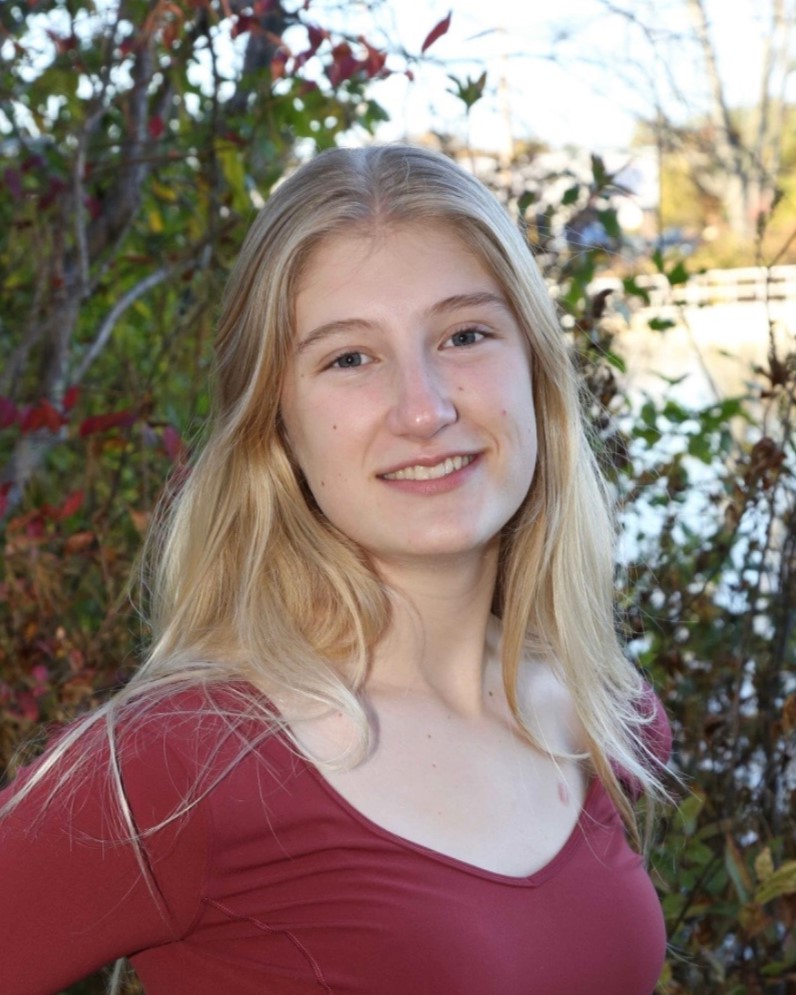 Network-Based Synthetic Microbial Community Design for 1,4-Dioxane Biodegradation
Awardee: Grace McKrell, COS’27
Mentor: Yu Miao, COE, Civil & Environmental Engineering
The project’s goal will be to create and validate stable and highly 1,4-dioxane degrading synthetic bacterial communities (SynComs). 1,4-Dioxane is a prevalent groundwater contaminant and a possible human carcinogen. Bioaugmentation is a sustainable remediation strategy, but individual strains often don’t survive in field applications and consortia have low degradation rates. The design of the communities will be informed by network analysis, based upon microbe interactions. SynCom success will be determined by a higher 1,4-dioxane degradation rate than their parent environmentally enriched consortia. These outcomes will be shared through conferences such as the New England Water Environment Association and a manuscript.
 Creating a Collegiate Ambulance Service: A NUEMS Case Report
Awardee: Avery Melam, Bouvé’26
Mentor: Stephen Wood, Bouvé, Nursing
This study will document how Northeastern University Emergency Medical Services (NUEMS) is building a new collegiate ambulance service, a case study that has not been explored before. By analyzing administrative steps, logistical challenges, and lessons learned, the study will create a practical guide for other universities hoping to improve campus emergency response. The researchers will also establish long-term systems to collect EMS data, enabling future student-led studies. Ultimately, this work aims to strengthen campus safety nationwide and contribute a first-of-its-kind case study to the growing field of collegiate emergency medical services.
 Real-Time Processing of Musical AI Models
Awardee: Alexander Miale, Khoury’26
Mentor: Victor Zappi, CAMD, Music
The purpose of researching the real-time processing of musical AI models is to create a new use for the technology. Currently, the models are used for recorded audio files, but the team aims to deploy them for live performances. The models will be tested in an audio plugin software environment on a CPU, then embedded onto a GPU and a DSP. We believe the models can run on basic laptop hardware, such as GPUs, which allows musicians to use the technology without upgrading hardware or buying new equipment. The results can be shared in conferences, papers, and live performances.
 DMT-Mediated Changes in Brain Activity and Structure: BOLD fMRI Study in Rats
Awardee: Trisha Nelson, COS’26
Mentor: Craig Ferris, COS, Psychology
This project aims to evaluate the effects of exposure to microdoses of 5-methoxy- N, N dimethyltryptamine (5-MEO-DMT) on behavioral, structural, and functional brain health in a preclinical rodent model. Although much is known about the structure of 5-MEO-DMT and its localization within the brain, very little is known about its overall effect. Using a combination of behavioral assays and advanced neuroimaging techniques, we hope to discover that exposure to this hallucinogenic substance dramatically alters brain structure, which subsequently alters behavior and cognition. We hope these findings will be published and presented at the RISE conference in Spring 2026.
 D1R/M4R Imaging Project
Awardee: Ali Noorouzi, Bouvé’26
Mentor: Hideaki Yano, Bouvé, Pharmaceutical Science
My project is a neuroanatomy imaging focused project. We know Dopamine 1(D1R) and Muscarinic 4(M4R) receptors work together in the brain to regulate dopaminergic and cholinergic activity. Dysregulation of the balance between the receptors is thought to be the cause of various neuropsychiatric disorders. I am using a confocal microscope to image brain slices of mice to see where Dopamine 1(D1R) and Muscarinic 4(M4R) receptors are coexpressed. This will hopefully provide insight into the mechanism of interaction between the two receptors within the same neurons which can then be targeted in the development of novel pharmacological agents.
 Cultural Norms, the Human-Nature Relationship, and Pro-environmental Behavior in Mexican-Americans
Awardee: Grace Nyberg, COS’26
Mentor: John Coley, COS, Psychology
This project examines how cultural values and beliefs about the human-nature relationship shape pro-environmental attitudes and behaviors among Mexican-Americans, a population often underrepresented in environmental psychology research. Using an online survey, I will measure cultural norms of social interdependence, conceptualizations of the human-nature relationship, and environmental and social justice behaviors in a Mexican-American sample. These findings will advance psychological research and guide more inclusive community-based environmental engagement efforts. The results will be shared at Northeastern’s RISE Expo, in a written research report, and through an accessible blog post, infographic, or flyer for non-academic audiences.
 Developing a Cosmic Muon Coincidence Detection System for the GRAMS Project
Awardee: Sofia Odeh, COE’26
Mentor: Tsuogo Aramaki, COS, Physics
The GRAMS project aims to detect dark matter signatures using a Liquid Argon Time Projection Chamber, but cosmic ray muons constantly bombard the detector and can mimic real signals. My project develops a scintillator-based veto system to identify and reject these muon events. When a muon passes through two stacked scintillator arrays, both layers produce coincident signals, something random noise cannot replicate. I will design a mechanical mounting structure, improve signal quality through better grounding, and develop analysis code for coincidence detection. Results will be presented at Northeastern’s RISE symposium and contribute to the GRAMS collaboration’s NASA balloon mission.
 Investigating Per- & Polyfluoroalkyl Substances (PFAS) Driven Steroidogenesis Disruption in MA Water
Awardee: Audrey Panik, COS’27
Mentor: Vaso Lykourinou, COS, Chemistry & Chemical Biology
Per- and polyfluoroalkyl substances (PFAS) have significantly contaminated Massachusetts groundwater, polluting sources used for drinking water. Once ingested, these long-lasting chemicals are absorbed via the digestive system, accumulating in the bloodstream and human tissues. Prolonged PFAS exposure may result in hormonal dysregulation, inhibiting steroidogenesis and increasing the risk for reproductive disorders in both men and women. Employing a variety of molecular biology and chemical engineering techniques, such as enzyme-linked immunosorbent assays (ELISA) and high-performance liquid chromatography (HPLC), this project aims to determine the rate of steroid sex hormone degradation caused by PFAS and design a subsequent remediation system.
 Jam Bands and Their Effects on Recovering Addicts
Awardee: Holly Perna, CAMD’26
Mentor: Andrew Mall, CAMD, Music
I am conducting a study on how jam bands, such as The Grateful Dead, affect recovering drug and alcohol addicts. Since drug use is a main component of jam band lifestyle, I have always been curious as to how those in addiction recovery still immerse themselves in the culture, as well as if it negatively impacts their recovery. For this study, I will be conducting interviews involving recipients that have been personally affected by drug and alcohol use through jam band culture, and will share my results through a thematic analysis.
 KIM-1 Mediated Fatty Acid Trafficking and Therapeutic Targeting in Lipotoxic Injury
Awardee: Anish Raghavan, COS’28
Mentor: Mark Grabiner, COS, Biology
My project investigates how the kidney injury protein KIM-1 internalizes and traffics fatty acids, a process that may contribute to the lipotoxic stress seen in kidney disease and cancer. Using fluorescent lipid imaging, biochemical binding assays, and cell-based stress markers, I will map this lipid-trafficking pathway inside renal cells. Understanding these mechanisms may reveal why damaged kidneys accumulate toxic lipids and help identify therapeutic inhibitors that block these harmful effects. I plan to share the results through research presentations, a manuscript, and submission to undergraduate research journals to broaden scientific and public understanding of kidney health.
 PICOS-OBC
Awardee: Rachel Rakushkin, COE’27
Mentor: Josep Jornet, COE, Electrical and Computer Engineering
This project aims to develop an open-source, Linux-capable flight control system (known in the small satellite community as an On-Board Computer or OBC for short). Today, these systems can cost nearly half a million dollars, with even the “low-cost” options exceeding ten thousand dollars, placing them out of reach for most universities and small organizations. By designing an OBC built on accessible hardware and releasing all design files publicly, this project lowers the cost to under one thousand dollars and democratizes the field by contributing to a global library of open-source spacecraft designs.
Sex-Based Differences in Sleep Quality and Recovery: Women during Menstruation vs. Men
Awardee: Maria Lucia Ramirez, COS’26
Mentor: Winston Kennedy, Bouvé, Physical Therapy, Movement, Rehabilitation Science
This study explores whether college-aged women experience different sleep quality during menstruation compared with other women and men. I will use the Pittsburgh Sleep Quality Index along with additional survey questions to measure nightly rest and recovery. Because women were historically left out of sleep studies, we still know little about how the menstrual cycle affects sleep. I plan to share my findings through a report and presentation.
 Localized Delivery of Mucosal Healing Agents: Trefoil Factor Expression in Modified E. Coli
Awardee: Katie Regan, COE’26
Mentor: Caroline Blassick, COE, Bioengineering
Inflammatory bowel disease (IBD) is a group of chronic conditions characterized by inflammation in the gastrointestinal tract. The goal of traditional treatments is to induce long-term remission, although many of these treatments may be ineffective or include harsh side effects. A promising approach to treatment includes administration of a naturally-produced protein called trefoil factor 3 (TFF3), which may promote healing of the inflamed intestinal epithelium in IBD. A modified probiotic will be created to inducibly produce TFF3 in the large intestine using E. coli via bacterial gene editing techniques and results will be shared at the RISE in April.
 NU Linguistic Landscape Lab: Are We on a Multilingual Campus?
Awardee: Julia Roeschenthaler, CSSH’26
Mentor: Gorka Basterretxea Santiso, CSSH, World Languages Center
By investigating the visual linguistic landscape of Northeastern’s Boston Campus and students’ attitudes towards it, we hope to understand the perceived importance of language(s) in Northeastern’s definition of “global.” Our methodology includes collecting visual data by photographing signage on major campus buildings as well as interviewing students orally regarding their view of the linguistic landscape of their present location. We anticipate understanding the representation of languages on campus signage and learning how Northeastern students perceive the role of language on a “global” campus.
 Modulating Inflammatory Response in Wound Healing
Awardee: Maeve Ryan, COS’26
Mentor: Abraham Joy, COE, Bioengineering
Wound treatments that expedite healing are desired in the clinic to address common and chronic injuries. The Joy Lab is developing bilayer wound dressings to harness the benefits of pro-inflammatory and subsequent anti-inflammatory treatment. This project aims to characterize the immune system’s response to each layer, including the transition phase during which anti- and pro-inflammatory treatments are applied simultaneously. New polymers will be synthesized to model the degradation stages of the wound dressing and analyze immune response throughout treatment. It is hoped that this deepend understanding of the immunomodulatory effects can inform the design of improved wound treatment options.
 Revealing Air Pollution Disparities in the Greater Boston Area Using Mobile Monitoring
Awardee: Austin Sanchez, COE’28
Mentor: Shang Liu, COE, Civil & Environmental Engineering
In the United States, air pollution systemically burdens communities of color and low-income neighborhoods. This project analyzes three months of on-road air quality measurements recorded by mobile monitoring throughout Chelsea and Brookline, Massachusetts, which are two demographically distinct communities. Through spatial analysis, we will identify emissions sources and complex social patterns driving environmental inequities. Our hyperlocal approach provides insight into fine-scale pollutant variability commonly missed by traditional, stationary monitors. Results from this project will be shared with community leaders and policymakers to inform targeted legislation improving air quality, and are anticipated to be published in a peer-reviewed article.
 Concurrent Filtering with Certifiably Correct Smoothing
Awardee: Nikolas Sanderson, COE’27
Mentor: David Rosen, COE, Electrical and Computer Engineering
Autonomous robots must continuously determine their location and surroundings to navigate safely. Current methods face a tradeoff: fast algorithms can produce incorrect estimates, while mathematically guaranteed methods are too slow for real-time use. My project bridges this gap by running two processes simultaneously—a fast estimator providing real-time position updates for robot control, and a slower process that guarantees the solution is globally correct.
 Investigation into the Role of PP2A Signaling in Tumor Associated Macrophages
Awardee: Isabella Selekman, COS’26
Mentor: Stephen Hatfield, Bouvé, Pharmaceutical Science
PP2A inhibitors are currently in clinical trials for enhancing T cell responses, but their effects on macrophage responses in adenosine rich environments, like the tumor microenvironment, remain underexplored. Since both PP2A and adenosine pathways converge on cAMP-dependent signaling and share downstream targets like CREB, PP2A may serve as an integration point for adenosine and inflammatory signals in macrophages. Understanding this crosstalk could inform how PP2A-targeted therapeutics perform in adenosine-rich tumor microenvironments. Using the PP2A inhibitor LB-100 alone and in combination with adenosine receptor stimulation, PP2A’s role in integrating these signaling networks will be investigated through phenotypic flow based analysis.
 Food Environment Study
Awardee: Madison Seymour, Bouvé’26
Mentor: Rachel Rodgers, Bouvé, Psychology
This project examines how interactive, online food environment literacy modules can help college students better understand how food marketing and messaging shape their eating behaviors and body image. Food environments strongly influence dietary choices, yet many young people are not taught to recognize how targeted advertising, product placement, and persuasive packaging influence eating behaviors. Using a randomized, two-month study, participants in the experimental group complete surveys before and after engaging with brief educational modules that combine infographics and reflective prompts. Findings will be shared through campus research presentations and conference submissions to inform future low-cost, scalable public health interventions.
 PBPK Modeling of Oral and Intravenous Metformin: A Mechanistic Framework
Awardee: Daniel Shen, Bouvé’27
Mentor: Jie Shen, Bouvé, Pharmaceutical Science
My project involves developing a computer-generated Physiologically Based Pharmacokinetic (PBPK) model for metformin hydrochloride, a widely used diabetes medication. This model simulates how metformin is absorbed, distributed, metabolized, and excreted in the human body. Unlike previous work using animal-to-human scaling with another drug (quetiapine), this project focuses solely on modeling metformin in humans to explore whether certain drugs can be studied without animal testing with the goal being to improve drug research efficiency and efficacy. Results and the final model will be presented at Northeastern’s RISE Expo and the AAPS PharmSci360 national conference.
 Investigating a Critical Cell Cycle Protein in Acinetobacter baumannii
Awardee: Trisha Shenoy, COS’26
Mentor: Edward Geisinger, COS, Biology
A. baumannii is a bacterial pathogen that has been labeled as an urgent threat due to its high levels of antibiotic resistance. Little is understood about how the bacterium controls its cell division due to its deviation from model organisms. Through this project, I will investigate a novel cell cycle control mechanism by investigating the enzymatic activity and location of a critical protein that has the function of halting the division and replication of the bacteria. I plan to present these results at RISE.
 Liposome Elasticity Role in Peptide-conjugated Liposome Binding and Immune Effector Cell Activation
Awardee: Madelyn Simpliciano, Bouvé’26
Mentor: Debra Auguste, COS, Chemical Engineering
Leveraging the immune system to fight cancer has redefined modern oncology treatment, and advanced nano-based drug delivery systems significantly enhance the effectiveness of peptide-based immunotherapies. This project will explore the influence of lipid nanoparticle elasticity on the performance of peptide-conjugated liposomes. While peptide density is known to have an impact on tumor growth and T-cell infiltration, the role of membrane elasticity remains unexplored. We will investigate whether increasing flexibility through the addition of unsaturated lipids strengthens receptor blockade by optimizing peptide orientation on the nanoparticle surface. We expect that improved elasticity will amplify receptor engagement and ultimately boost therapeutic efficacy.
 Investigating How the BfmRS Defense System of Acinetobacter Baumannii Responds to Redox Stress
Awardee: Megan Sitzmann, COS’26
Mentor: Edward Geisinger, COS, Biology
Acinetobacter baumannii is a multidrug-resistant bacterium causing severe infections such as pneumonia and sepsis in hospital settings. The bacteria use a control mechanism called BfmRS to cause disease, but the infection-related stresses A. baumannii detects and defends against are unclear. The project will explore the role of BfmRS in the response to redox stress, including oxidative protein damage. After exposure to redox reagents, I will use reporter bacteria to measure BfmRS activity and test survivability of BfmRS mutants. By characterizing the strategies used by the bacteria to survive antimicrobial stresses, this research can help devise ways to disrupt hospital-acquired infections.
 Tracking the Motion and Role of Bismuth in MnO2 Batteries with Ultra-large Raman Scanning and SEM
Awardee: Miko Stewart, COE’26
Mentor: Joshua Gallaway, COE, Chemical Engineering
Grid-scale energy storage is needed to make renewables feasible. Manganese dioxide batteries are cost-effective, nonflammable, and energy dense, but not rechargeable. Adding bismuth fixes this, although it is not known exactly why. This research aims to explain that mechanism and the detailed composition of the battery. Batteries will be made from scratch, then the same area on each will be scanned over 8 charges and discharges, using Raman spectroscopy. Understanding the underlying chemistry is important for optimization and commercialization. Findings will be shared at RISE, within the lab group, and likely as part of a scientific paper.
 Understanding the Scope and Nature of Forced Criminality in the United States
Awardee: Jia Sunkara, DMSB’27
Mentor: Amy Farrell, CSSH, Criminology & Criminal Justice
This project examines forced criminality, a form of human trafficking in which individuals are coerced into committing crimes under a trafficker’s control. The goal is to understand how this occurs and help the justice system respond in ways that recognize victimization rather than impose punishment. The research includes developing a trauma-informed screening tool which public defenders will use to determine whether a case involves forced criminality, and interviewing victims and other legal professionals to understand how these cases are identified and handled. Findings will be shared through research publications, training materials for professionals, and summaries for the public.
 Constraining the Stellar-Halo Mass Relation with COSMOS-Web
Awardee: Lillian Sununu, COS’27
Mentor: Jacqueline McCleary, COS, Physics
This project explores how galaxies and their dark matter halos evolve together, focusing on the early universe. Using new data from the JWST COSMOS-Web survey, I will measure the Stellar-to-Halo Mass Relation (SHMR) to unprecedented high redshifts. Employing Python and Bayesian modeling, a joint analysis of galaxy clustering, stellar mass, and weak lensing will be performed. This research aims to investigate the onset of star formation quenching, and anticipates providing constraints on the mechanisms regulating galaxy growth efficiency at high redshifts. Findings surrounding the growth of early structures in the universe will be shared at the RISE Exposition.
 Impact of Cognitive Distraction on Hand–Eye Coordination in Neurotypical and ADHD Participants
Awardee: Aspen Tabar, Khoury’26
Mentor: Leanne Chukoskie, Bouvé, Physical Therapy, Movement, Rehabilitation Science
This project explores how hand–eye coordination is affected by different levels of cognitive distraction in virtual reality, comparing neurotypical participants and those diagnosed with ADHD. Using a custom designed PlayStation VR game that integrates eye tracking and hand tracking, participants complete the same gaze-and-reach task under three conditions: no distractions, ambient distractions, and sharp distractions. By collecting biometric data and participant feedback, the study investigates how attention and cognitive load influence coordinated movement. The results will contribute to a better understanding of attention in immersive environments and support the design of more accessible and user-centered VR systems.
 Identifying New Members of the Stellar Stream Nyx
Awardee: Andreas Thoyas, COS’27
Mentor: Alessandra Di Credico, COS, Physics
This project aims to identify additional stars belonging to the nearby stellar stream Nyx using data from Gaia Data Release 3. Nyx is a local group of stars whose origin is still uncertain and may reflect either a past galaxy merger or a disturbance within the Milky Way’s disk. By combining stellar orbit modeling with statistical likelihood methods, the project will increase Nyx membership and improve understanding of its structure and origin. Results will contribute to studies of the Milky Way’s formation history and will be shared through presentations at RISE and other academic conferences, with potential for publication.
 A Collegiate EMS Case Study: Northeastern University Emergency Medical Services
Awardee: Adriana Totten, Bouvé’26
Mentor: Domenic Corey, Bouvé, Health Sciences
This study will document how Northeastern University Emergency Medical Services (NUEMS) is building a new collegiate ambulance service. By analyzing administrative steps, logistical challenges, and lessons learned, the study will create a practical guide for other universities hoping to improve campus emergency response. The researchers will also establish long-term systems to collect EMS data, enabling future student-led studies. Ultimately, this work aims to strengthen campus safety nationwide and contribute a first-of-its-kind case study to the growing field of collegiate emergency medical services. The researchers plan to disseminate this work in the Journal of Collegiate Emergency Medical Services.
 Understanding Trauma in Public Library Staff
Awardee: Kiera Truong, Bouvé’27
Mentor: Beth Molnar, Bouvé, Health Sciences
This scoping review examines how public library staff experience the emotional burden of traumatic patron events by comparing literature on librarians who witness incidents firsthand versus those who learn about them secondhand. It analyzes grey literature, including news reports and personal narratives, alongside peer-reviewed research to assess how sources portrays stress, burnout, and secondary traumatic stress among library workers. By coding this literature in Covidence and comparing traumaization methods, the review evaluates whether grey literature capture emotional realities that academic studies often underrepresent. Findings will be shared through a written manuscript that directly addresses these gaps in the existing literature.
 Reducing Airway Stiffness Reverses Airway Hypercontractility in a Tissue Engineered Model
Awardee: Tyler Vagnucci, COE’27
Mentor: Harikrishnan Parameswaran, COE, Bioengineering
Asthma can make airways over-tighten, and standard medicines mainly target inflammation. However, in many severe patients, scar tissue builds up, stiffening the airway and making symptoms harder to control. I will build a small 3D “airway ring” from human airway smooth-muscle cells and collagen that mimics healthy (soft) and scarred (stiff) airways. By triggering contraction and measuring ring size changes, I’ll test whether a macrophage + Mfge8 treatment can break down scar-like collagen, soften the tissue, and restore normal responsiveness. I will share results at Northeastern RISE, BMES 2026 in Orlando, and in a manuscript.
 Artistic Variation in Spatial and Object Perception
Awardee: Mia Vaidean, COS’26
Mentor: Aaron Seitz, COS, Psychology
My project researches the potential association in spatial and object imagery as measured by the Object and Spatial Imagery Questionnaire (OSIQ) and performance on mental rotation and drawing tasks. I am using an existing dataset of participants who completed drawing and mental rotation tasks. To collect OSIQ data, I am contacting individuals who agreed to be recontacted. For analysis, I will conduct regressions and correlations. I expect to see a positive correlation between object and spatial imagery, and a correlation between imagery skills and the drawing and mental rotation tasks. I will disseminate my findings with a poster presentation.
 Engineering a Sulfide Sensor in B. Subtilis
Awardee: Ryan Wai, COE’27
Mentor: Elizabeth Libby, COE, Bioengineering
Hydrogen Sulfide (H2S) is a gut metabolite with an under-researched but potentially dose-dependent role in diseases such as Inflammatory Bowel Disease. Building on preliminary work with a B. subtilis-based sulfide biosensor, this research focuses on demonstrating direct sulfide sensing rather than relying on upstream sulfur-reduction pathways. Using live-cell assays, I aim to validate biosensor performance, characterizing how this biosensor responds to sulfide exposure and evaluate its potential as a tool to study human health. I aim to share my results through presentation and academic publication to both public and scientific audiences.
 Math & Music: A Topological Data Analysis of Harmonic Structure in Beethoven’s Ninth (Iv)
Awardee: Quella Wang, Khoury’26
Mentor: He Wang, COS, Mathematics
I use modern mathematics to “map” the harmony and voice-leading of Beethoven’s Ninth, Finale. The goal is to reveal recurring patterns and tonal neighborhoods that ear-only analysis can miss, offering new tools for music study and teaching. From the MIDI score, I encode chord events as pitch-class sets, build a geometric map with the Mapper algorithm, and quantify structure with persistent homology (Betti curves and barcodes), including voice-leading distances. Outcomes include visual maps of harmonic space and an interpretable, reproducible pipeline. I will share results through a short paper, an interactive web demo, an open-source repository, and a campus talk.
 Promoting Self-Compassion in Injured College Athletes through a Mindfulness Intervention
Awardee: Angela Woronko, COS’26
Mentor: Rachel Rodgers, COS, Psychology
NCAA athletes are at risk for sustaining injury that can alter their engagement in sport and exercise. Mindfulness is associated with a reduction in stress and anxiety among athletes, while self-compassion, a component of mindfulness, can encourage acknowledgment and acceptance of pain and suffering. This project will assess the feasibility and acceptability of a mindfulness intervention for injured college athletes. Results will provide insight into the effectiveness of mindfulness content and inform how digital mental health interventions may be utilized for college athletes in the future; this will be presented at RISE.
 Investigating Synaptic Dysfunction in an Inclusion Body-Only Model of Huntington’s Disease
Awardee: Athena Wu, COS’26
Mentor: Johanna Farkas, COS, Biology
Huntington’s Disease (HD) causes devastating brain degeneration through toxic protein clumps called inclusion bodies. A critical unresolved question is whether these protein aggregates alone cause damage, or if the underlying genetic mutation is necessary. This project creates a novel worm model by feeding purified HD protein aggregates to genetically normal animals, then measuring synaptic function/motor behavior. If aggregates alone cause dysfunction, it supports aggregate-clearance therapies; if not, treatments must target the genetic defect. Results will be presented at Northeastern’s RISE symposium, with plans to submit to the Huntington Study Group conference, informing therapeutic strategies for HD and related neurodegenerative diseases.
 Uncovering Stem Cell Fate During Axolotl Retinal Regeneration
Awardee: Wenxuan Xu, COS’26
Mentor: James Monaghan, COS, Biology
Axolotls can regrow an entire retina after it is removed. We investigate whether retinal pigment epithelium (RPE), the pigmented layer that nourishes the retina, can differentiate into neural retina and what signals enable this switch. Using an in vitro model, we culture axolotl RPE alone or with choroid and add factors such as fibroblast growth factor 1 (FGF1) to quantify changes in morphology, proliferation, and neuron-like features. Transgenic reporters are used to track RPE progeny and cell dynamics. Findings may reveal key mechanisms to guide vision-restoring therapies. Results will be shared at ARVO 2026, RISE, and in a peer-reviewed manuscript.
 From Barriers to Solutions: A Student-Centered Approach to Design Campus Interventions that Increase
Awardee: Dina Yacoub, Bouvé’26
Mentor: Catrina Jaime, Bouvé, Health Sciences
This project explores how international students navigate healthcare at Northeastern University and identifies barriers such as limited information, cultural and language challenges, and difficulty accessing services. Through semi-structured interviews, the study aims to develop student-informed interventions that improve the clarity, accessibility, and cultural responsiveness of on-campus resources. Findings will be translated into practical recommendations for University Health and Counseling Services and shared in a written manuscript. Anticipated outcomes include an intervention proposal and presentations at RISE, the American Public Health Association Annual Meeting, and other undergraduate research conferences. The project ultimately seeks to advance health equity in higher education.
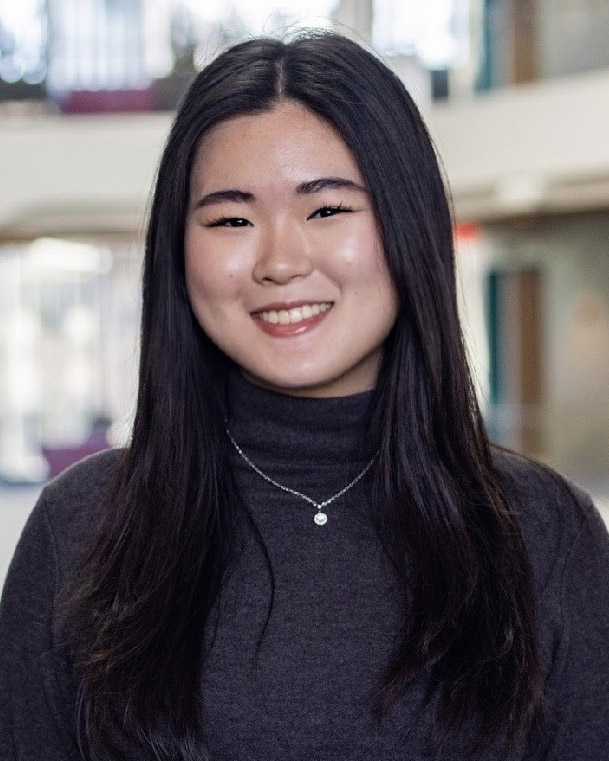 Proposed Roadmap for the Creation of Benchmark Spectra for Top-down Proteomics
Awardee: Michelle Yu, COS’26
Mentor: Jeffrey Agar, COS, Chemistry & Chemical Biology
Top-down mass spectrometry analyzes intact proteins without enzymatic digestion, which preserves crucial proteoform information. However, top-down spectra can often look very complex and the deconvolution process can be laborious and time-consuming when done manually. While using software programs can facilitate this process, there is still a need for an innovative approach to improve their accuracy and sensitivity. In this project, I will create a standardized deconvolution workflow and apply it to three proteins of different sizes to create benchmarking datasets that can be used to evaluate current software programs and train new ones.
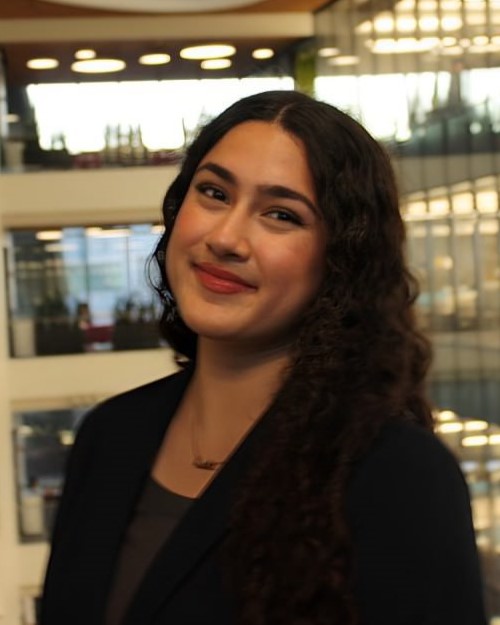 Predicting Cybersickness Susceptibility from Gaze Behavior
Awardee: Aisha Zahir, Khoury’28
Mentor: Wallace Lages, CAMD, Computer Science
Cybersickness, symptoms like nausea and disorientation in virtual reality, affects users differently and limits the accessibility of immersive technologies. This project investigates how individual differences in visual processing, particularly field dependence, relate to earlier onset of cybersickness. Using eye-tracking during VR alignment tasks, I analyze gaze patterns to identify behavioral markers associated with discomfort. By combining eye-movement metrics with measures of cybersickness, this work aims to improve understanding of why some users experience discomfort sooner than others. Findings will be shared through academic posters, conference presentations, and potentially open research materials to inform more inclusive VR design.
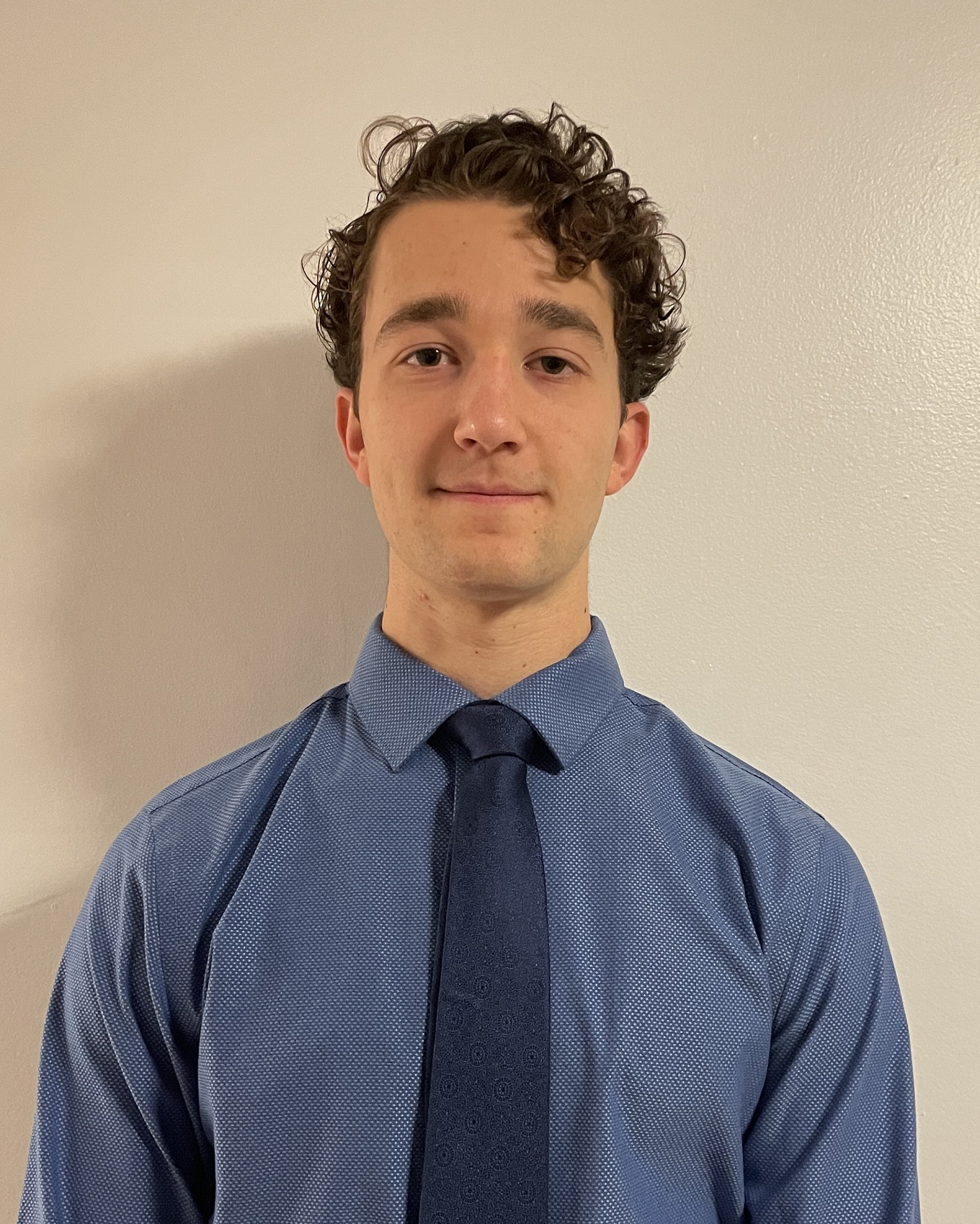 Impact of Evolving Glycan Shield on Influenza Hemagglutinin Dynamics
Awardee: Alexander Zambrowski, COE’26
Mentor: Srirupa Chakraborty, COE, Chemical Engineering
Influenza viruses display surface glycoproteins, such as hemagglutinin (HA), which function as critical immunogenic targets for antibodies. Rapid evolution of HA and its glycan shield can affect the immune response against the virus with a changing glycosylation patterns modulating HA dynamics and antibody epitope accessibility. Assessing this behavior through modeling two natively glycosylated HA strains with atomistic molecular dynamics simulations allowed me to probe the impact on protein dynamics at the structural level. Conformational landscapes were visualized with principal component analysis and collective motions were assessed through dynamic-cross-correlation studies, and antibody eptiopes were assessed through structural modeling.
 The Digital Transgender Archive in Oakland
Awardee: Sofia Zamora Morales, CSSH’26
Mentor: K.J Rawson, CSSH, English
This project focuses on expanding the Digital Transgender Archive (DTA) by processing unique collections in the Bay Area. The selected collections include Spanish-language materials, which would be a new inclusion to the archive. Working with UC Berkeley’s Bancroft Library collections, the project continues the archive’s mission to enhance the preservation of transgender history and culture. This initiative aims to foster a sense of community and shared purpose among students in our labs in Oakland and Boston. As the DTA approaches its 10th anniversary, we look to celebrate and honor the archive’s diverse offerings and vital narratives within trans history.
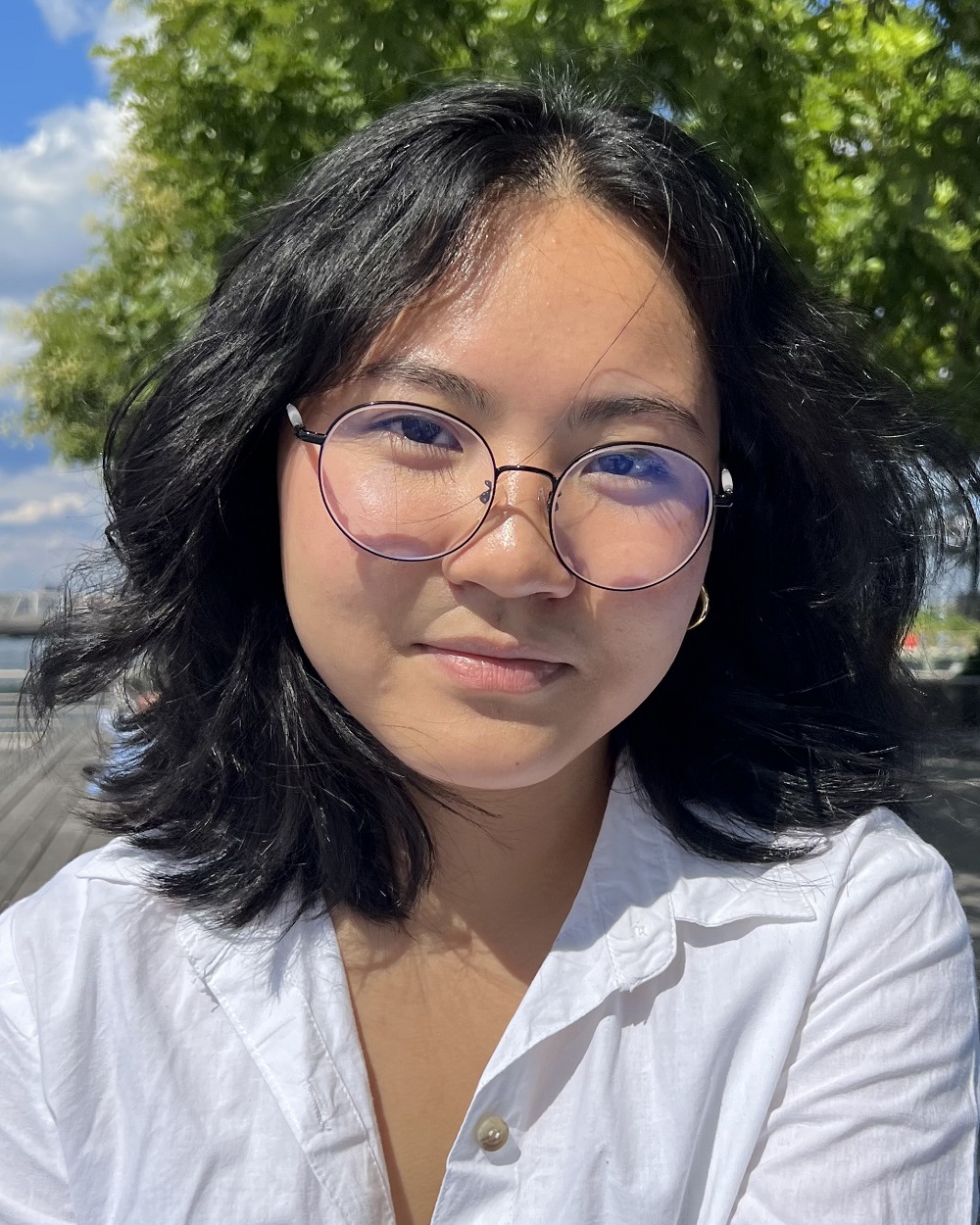 Deep-Learning Based Automation of Vessel Segmentation Analysis in Microfluidic Devices
Awardee: Helena Zheng, COE’26
Mentor: Guohao Dai, COE, Bioengineering
The blood-brain barrier (BBB) is a highly selective, uniquely characterized vascular network that protects the central nervous system; where its dysfunction is responsible for severe neurological conditions, such as dementia. Microfluidic devices are a robust, high throughput platform to model the dynamics and function of the BBB. To mitigate challenges in image processing and vessel quantification, a U-Net architecture based neural network will be used to replace manual vessel segmentation, greatly reducing analysis time and improving accuracy of vessel analysis. The model is to be disseminated and cited in publications using the model to enable high-throughput BBB research.
 Measuring the Prevalence and Impact of Surveillance Pricing
Awardee: Elaine Zhu, Khoury’26
Mentor: David Choffnes, Khoury, Computer Science
This research investigates whether major retailers like Amazon, Target, and Uber Eats use algorithmic surveillance to show different prices based on user profiles. By creating accounts that simulate rich versus poor shopping behaviors — purchasing expensive vs. budget items — we will measure pricing and product ranking discrepancies across platforms. The methodology involves controlled experiments where personas browse different price ranges, then comparing search results for identical control items after one week. This study addresses concerns about algorithmic discrimination in digital marketplaces, with findings to be published at the Internet Measurement Conference to inform policymakers and consumers.